When people ask "what do Pepti One band and ring track?" the answer is: sleep quality, heart rate variability (HRV), heart rate, and recovery scores — 24/7. These metrics sync into the Pepti app, where they join your lab results and peptide protocols for a full-circle approach to health. Tracking these data points isn’t just for biohackers: it’s essential for anyone optimizing peptide therapy, especially when using sleep-focused peptides like DSIP.
Key takeaways
- Pepti One band and ring track sleep, HRV, heart rate, and recovery.
- Sleep tracking reveals patterns affecting energy, mood, and healing.
- HRV is a window into stress, recovery, and nervous system balance.
- Real-time data helps optimize peptides like DSIP for restorative sleep.
- Bloodwork, wearables, and the Daily Pack work together for true personalization.
What do Pepti One band and ring track?
The Pepti One system consists of both a band and a ring, letting you choose the form factor that fits your lifestyle. Both devices track:
- Sleep stages: Light, deep, REM, and total sleep time.
- Heart rate: Day and night trends, including resting rate.
- Heart rate variability (HRV): A key marker of stress and recovery capacity.
- Recovery scores: Calculated from your sleep, HRV, and activity patterns, showing how ready your body is to perform or heal.
Your data syncs automatically to the Pepti app, where you can view trends, spot setbacks before you feel them, and share results with your care team.
Why do sleep, HRV, and recovery matter for peptide therapy?
Sleep quality, HRV, and recovery aren’t just numbers — they’re direct indicators of how your body is functioning, healing, and responding to therapy. Here’s why they matter:
- Sleep: Deep sleep is when your body repairs tissue, consolidates memories, and produces growth hormone. If your sleep is off, recovery and cognition suffer.
- HRV: High HRV is linked with resilience to stress, better recovery, and lower inflammation. Low HRV can signal overtraining, illness, or inadequate recovery.
- Recovery score: This metric compiles sleep and HRV to show if you’re primed for activity or need more rest.
When you’re using a peptide like DSIP (Delta Sleep Inducing Peptide), which is prescribed to support deep, restorative sleep, tracking how your actual sleep changes is crucial. If your deep sleep increases after starting DSIP, you’re getting the intended benefits. If not, it may be time to adjust your protocol.
How does wearable data close the loop with bloodwork and supplements?
Pepti is built on a "test, treat, track" philosophy:
- Test: Start with comprehensive blood testing — either at home or in lab — to reveal hormones, metabolism, and nutrient status. See the biomarkers we test.
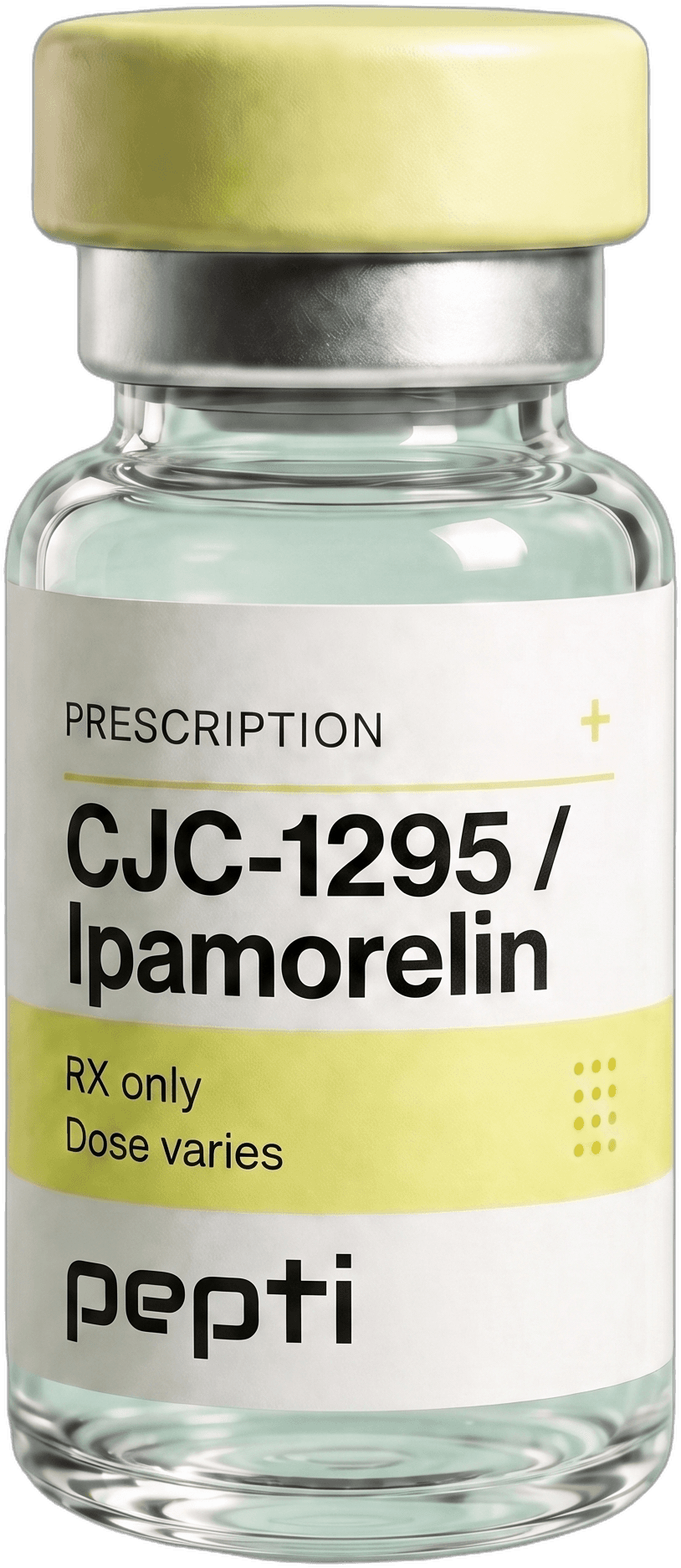
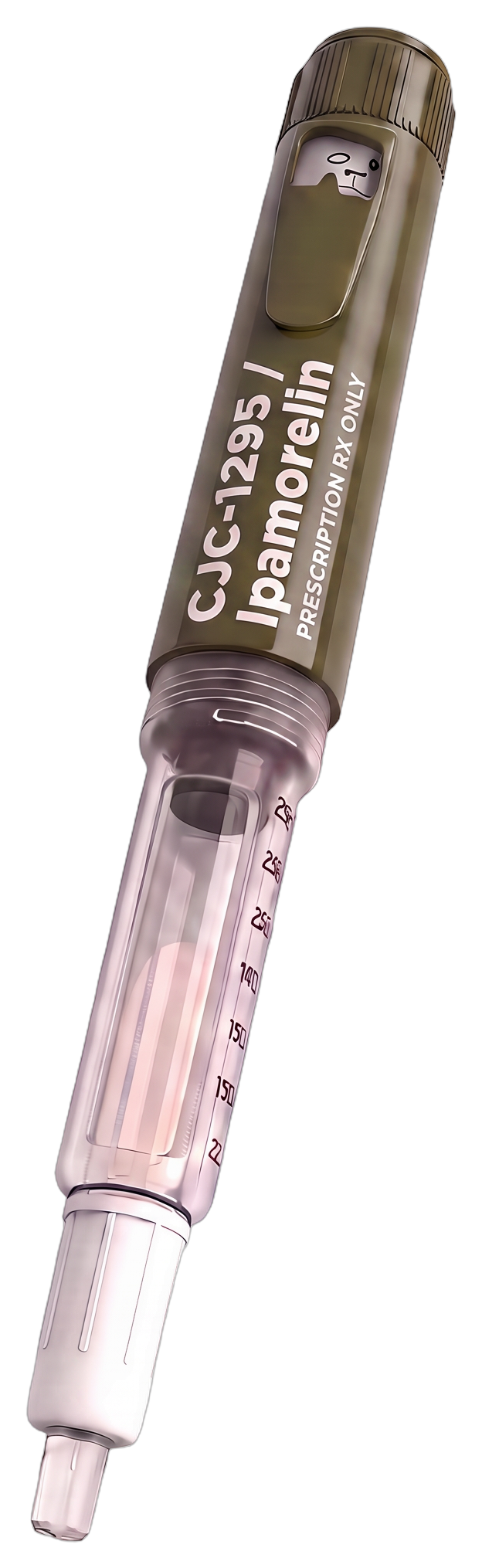
- Treat: Your doctor prescribes the right peptide therapy (like DSIP or CJC-1295 / Ipamorelin for recovery and growth), and recommends a Daily Pack custom built from your deficiencies and goals.
- Track: The Pepti One band or ring tracks your sleep, HRV, and recovery in real time. This gives instant feedback on how changes in your protocol or lifestyle are impacting your body — and allows your Pepti care team to make targeted adjustments.
Example: Let’s say your bloodwork shows low magnesium and suboptimal thyroid function. Your Daily Pack is adjusted for these, and you start DSIP to address poor sleep. Over the next month, Pepti One data shows your deep sleep improves, HRV rises, and you feel more rested. If not, your care team may re-check labs and fine-tune your protocol. Together, bloodwork and wearables ensure your plan is based on real-world results, not guesswork.
Why HRV and sleep tracking are game-changers for DSIP
Delta Sleep Inducing Peptide (DSIP) is used to enhance deep, restorative sleep — the sleep stage most vital for physical repair. But not everyone responds the same way, and lifestyle factors play a huge role. The Pepti One band and ring let you:
- See real changes in deep sleep and total sleep time after DSIP starts
- Monitor how HRV and resting heart rate shift as your sleep improves
- Spot patterns: Are late workouts, blue light, or travel derailing your deep sleep?
- Fine-tune dosage and timing under physician supervision, based on your own data
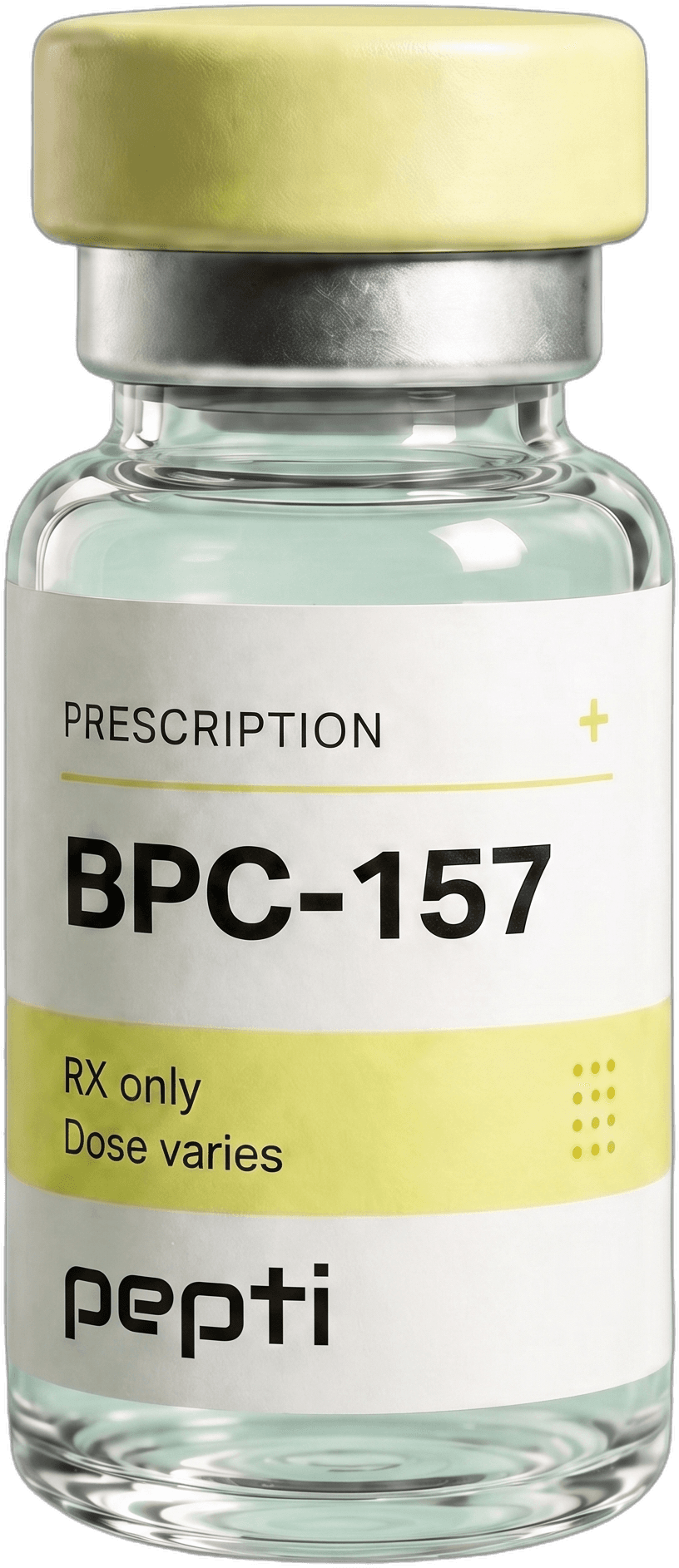
For those stacking DSIP with other recovery peptides — such as BPC-157 or CJC-1295 / Ipamorelin — tracking ensures you’re getting additive benefits, not just relying on subjective changes.
How to use your Pepti One recovery data
- Check your baseline: Track for 1–2 weeks before starting a new peptide or Daily Pack to establish your normal sleep and HRV.
- Monitor changes: Notice how your metrics shift after a protocol tweak or lifestyle change.
- Share with your care team: Pepti’s platform lets your doctor see wearable data next to your labs and peptides. This closes the loop for safe, effective, and personalized adjustments.
- Repeat bloodwork: Re-check labs every 3–6 months (as your doctor recommends) to see if your interventions are helping biochemically, not just symptomatically.
Tip: Many sleep and recovery setbacks can be traced to nutrient deficiencies or hormone imbalances. Baseline and follow-up blood testing are key to safe, effective peptide and supplement therapy.
What makes Pepti’s tracking and treatment approach different?
Unlike consumer-grade wearables or guesswork supplementation, Pepti’s system is designed for real clinical integration:
- Physician-reviewed bloodwork: Tests for hormones, nutrients, metabolism, thyroid, and more.
- Personalized Daily Pack: Supplements are built around YOUR lab results — not a generic multivitamin.
- Wearable data flows into the Pepti app: Your sleep/HRV/recovery are visible to both you and your care team. This actionable data supports safe, ongoing optimization.
- Doctor-prescribed peptides: Treatments like DSIP, CJC-1295 / Ipamorelin, and BPC-157 are only used when clinically indicated and tracked for real outcomes.
Frequently asked questions
What does the Pepti One band or ring track specifically?
Both devices track sleep duration and stages, heart rate, heart rate variability (HRV), and provide a daily recovery score. All data syncs automatically with the Pepti app, making it easy to monitor trends over time.
Why is HRV important when using peptides like DSIP?
HRV reflects your body’s ability to recover from stress. Tracking HRV while taking DSIP lets you objectively measure improvements in restorative sleep and overall resilience, guiding your ongoing treatment plan.
How do blood tests and wearable data work together at Pepti?
Blood testing reveals underlying deficiencies, hormone imbalances, or nutrient gaps that can affect sleep and recovery. Wearable data tracks your body’s response to therapy in real time, enabling your doctor to make more precise adjustments. See our blood testing options and biomarkers we test.
Can I use the wearable if I’m not on a peptide or supplement protocol?
Absolutely! Tracking sleep, HRV, and recovery is valuable for anyone, but the insights are even more powerful when combined with physician-guided therapy and regular bloodwork. Many Pepti members start with tracking and add peptides or the Daily Pack as needed.
Ready to see how your sleep, HRV, and recovery can improve with personalized peptide therapy? Start your free Pepti assessment at pepti.com/assessment.