Why Track Biomarkers for Neuro-Mood Goals?
Whether you want sharper focus, steadier mood, or to support healthy cognitive aging, tracking the right biomarkers is essential. At pepti, we believe that precision is power—especially for doctor-prescribed peptide therapy. Biomarker bloodwork reveals your personal baseline, guides safe and effective dosing, and helps you and your doctor understand your body’s response over time.
Peptides like the Pinealon / PE22-28 / Selank (Neuro-mood triple blend) are changing the way we support brain health, stress resilience, and cognitive longevity. But how do you know if your protocol is working—or if there’s a hidden factor holding you back? That’s where targeted biomarkers come in.
Best Biomarkers for Mood, Focus & Cognitive Health
Let’s break down the key labs and why they matter for brain optimization.
1. Inflammation & Neuroinflammation Markers
- hs-CRP (High-sensitivity C-reactive protein): Chronic inflammation is linked to brain fog, mood swings, and cognitive decline.
- Homocysteine: Elevated levels may impair neurotransmitter function and increase the risk for cognitive issues.
- Ferritin & Iron Panel: Both low and high iron can affect energy, focus, and mood.
Callout: Tracking these markers before and during peptide protocols helps rule out inflammation as a cause of poor response—or flag unwanted side effects.
2. Nutrient & Hormone Panels
- Vitamin B12 & Folate: Essential for neurotransmitter synthesis and mental clarity.
- Vitamin D: Linked to mood, immune resilience, and cognitive longevity.
- Thyroid Panel (TSH, Free T3, Free T4): Thyroid imbalances often masquerade as mood, focus, or memory problems.
- Sex Hormones (Testosterone, Estradiol, DHEA): Low or imbalanced levels can blunt motivation, energy, and mental sharpness, especially as we age.
3. Metabolic Health
- Fasting Glucose & HbA1c: Blood sugar swings can disrupt focus and mood.
- Lipid Panel: Healthy cholesterol is vital for brain structure and signaling.
You can see full details on the biomarkers we test.
How Peptide Therapy Can Support Neuro-Mood Goals
Peptides target specific pathways that affect mental performance, stress response, and brain aging:
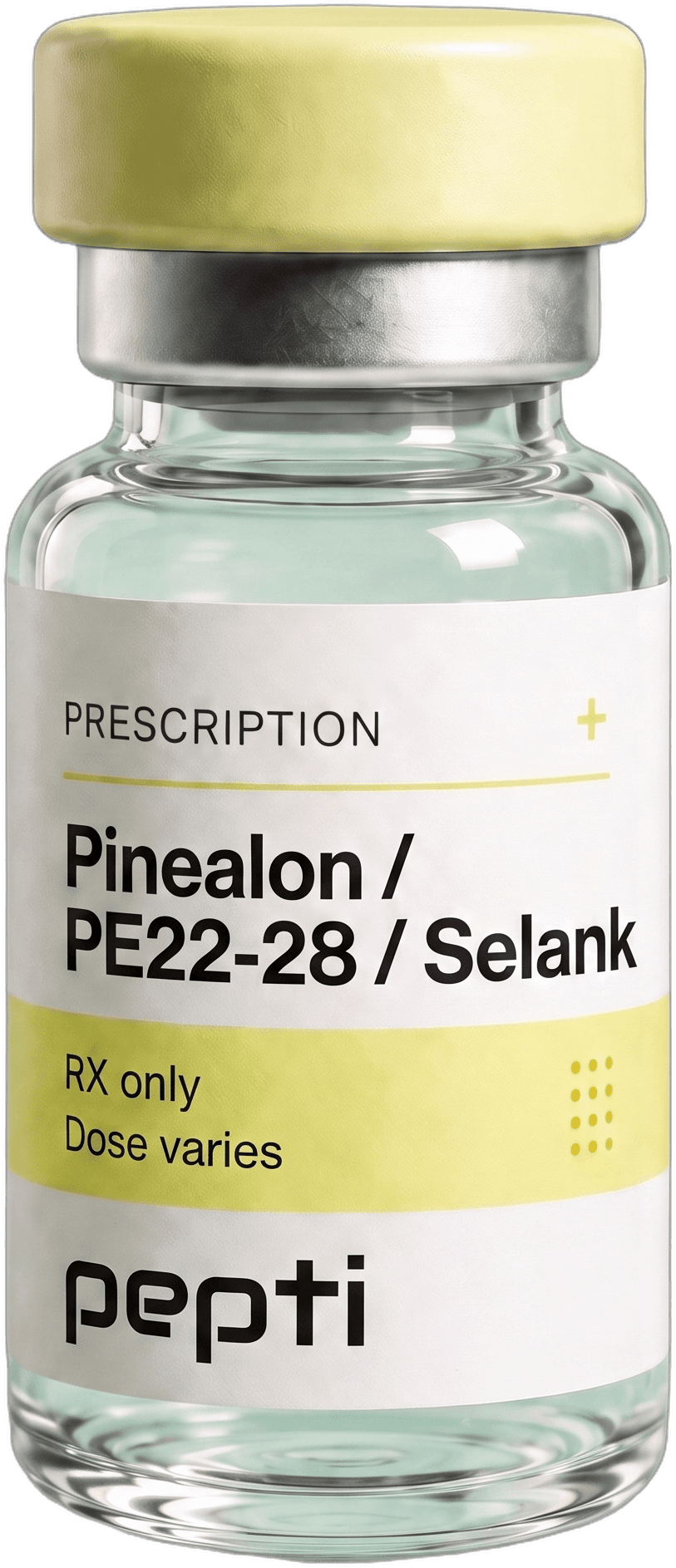
- Pinealon / PE22-28 / Selank (Neuro-mood triple blend): Combines three neuro-supportive peptides. Pinealon and PE22-28 support healthy neurogenesis (brain cell renewal) and cognition, while Selank is known for promoting calm focus and stress resilience.
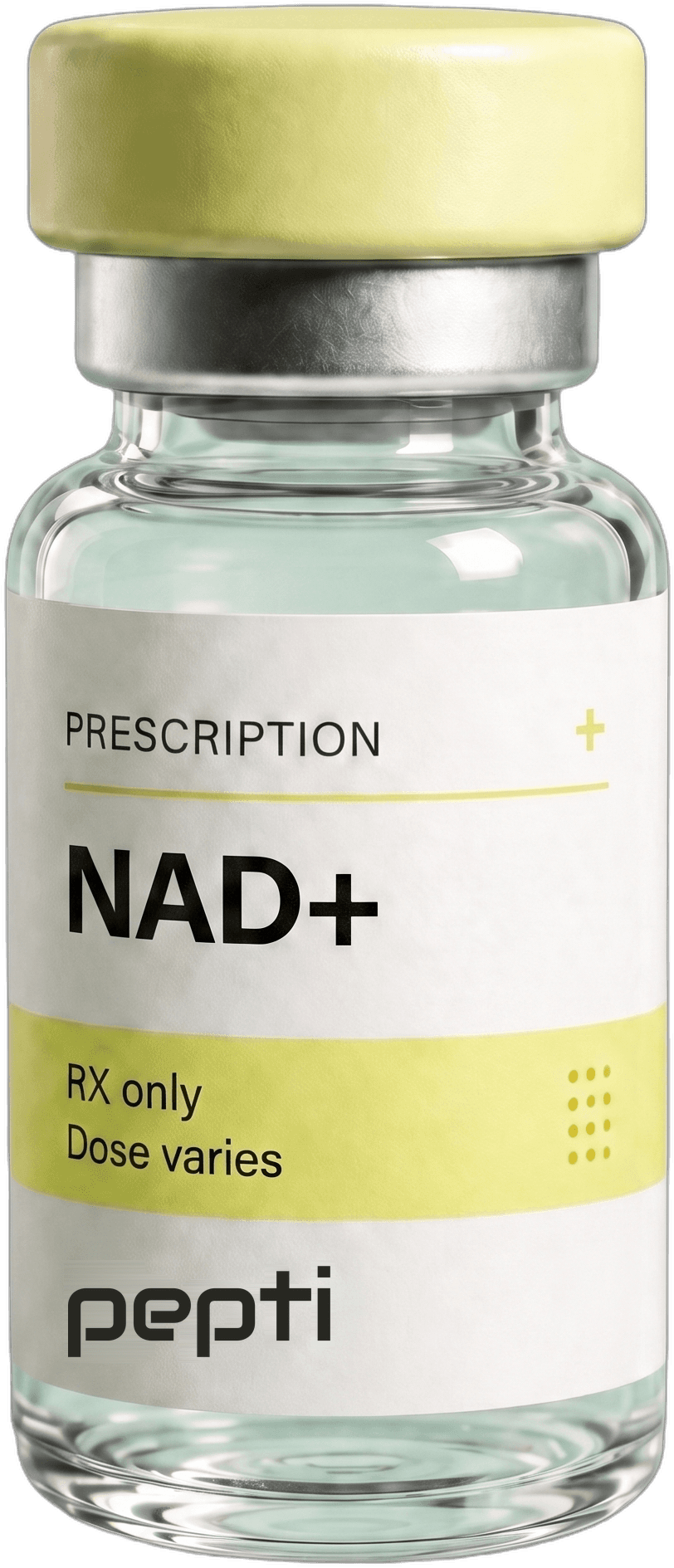
- NAD+ Injection: NAD+ is vital for mitochondrial energy. Low cellular energy can look like brain fog, sluggish mood, and poor memory.
- GHK-Cu / Epithalon / CJC-1295: Blends peptides with anti-aging, cognitive, and neuroprotective benefits.
Pro tip: Even peptides designed for weight loss or metabolic health (like Semaglutide) can indirectly affect mood and alertness—blood sugar stability plays a big role in how your brain feels day-to-day.
Why Baseline & Follow-up Labs Matter
No two people are the same. Personalized medicine is only as good as the data guiding it. Here’s why baseline and follow-up bloodwork is crucial for neuro-mood peptide protocols:
- Safety: Peptides, nutrients, and hormones interact. Labs help your doctor spot risks (like hidden B12 deficiency or thyroid dysfunction) before they cause issues.
- Optimization: See how your protocol affects inflammation, hormones, and nutrients over time, so you can adjust for best results.
- Progress Tracking: Objective data shows what’s working—before you even notice a difference, or if you hit a plateau.
At pepti, we offer both at-home kits and in-lab blood testing, with a standard panel included when required by your doctor. These integrated panels let you track all the biomarkers mentioned above in one go.
When to Repeat Labs
- Baseline: Always test before starting a new neuropeptide, hormone, or supplement protocol.
- 8-12 Weeks: Check in to see early trends, especially for inflammation, B12, and hormones.
- 3-6 Months: Measure longer-term impact, fine-tune dosage, and catch potential issues early.
Your pepti doctor can tailor this schedule to your needs and goals.
What If Something’s Off?
If labs show an issue (say, high homocysteine or low B12), your provider can address it with targeted interventions—often alongside your peptide regimen. This might include:
- Nutrition or supplement adjustments
- Dose changes
- Layering in other supportive peptides or therapies
Takeaways for Mood, Focus, & Brain Health
- Lab testing is your roadmap for smarter, safer peptide therapy.
- Pinealon / PE22-28 / Selank is a promising option for those seeking sharper cognition, improved mood, and stress support—but works best when guided by data.
- Regular blood testing helps you and your pepti doctor personalize your plan and maximize results.
Frequently asked questions
Which biomarkers are most important if I want to improve focus and mood?
Inflammation markers (like hs-CRP), vitamin B12, folate, thyroid panel, and hormone levels are the most critical. These have the greatest impact on clarity, motivation, and emotional stability. Tracking these across your protocol helps your doctor tailor your approach.
How often should I retest my bloodwork on a neuro-mood peptide protocol?
Start with a baseline test, then retest at 8-12 weeks and every 3-6 months afterward. This lets you track progress, spot trends, and adjust your therapy in a timely way. Your pepti doctor may personalize this timeline.
Can peptides like Pinealon / PE22-28 / Selank help if my labs are abnormal?
While peptides may support neuro-mood goals, addressing underlying issues—like low B12 or thyroid dysfunction—maximizes your results. Lab testing allows your provider to correct these factors for best outcomes.
Curious which protocol and labs are right for you? Take your free, personalized assessment at pepti's assessment page today.