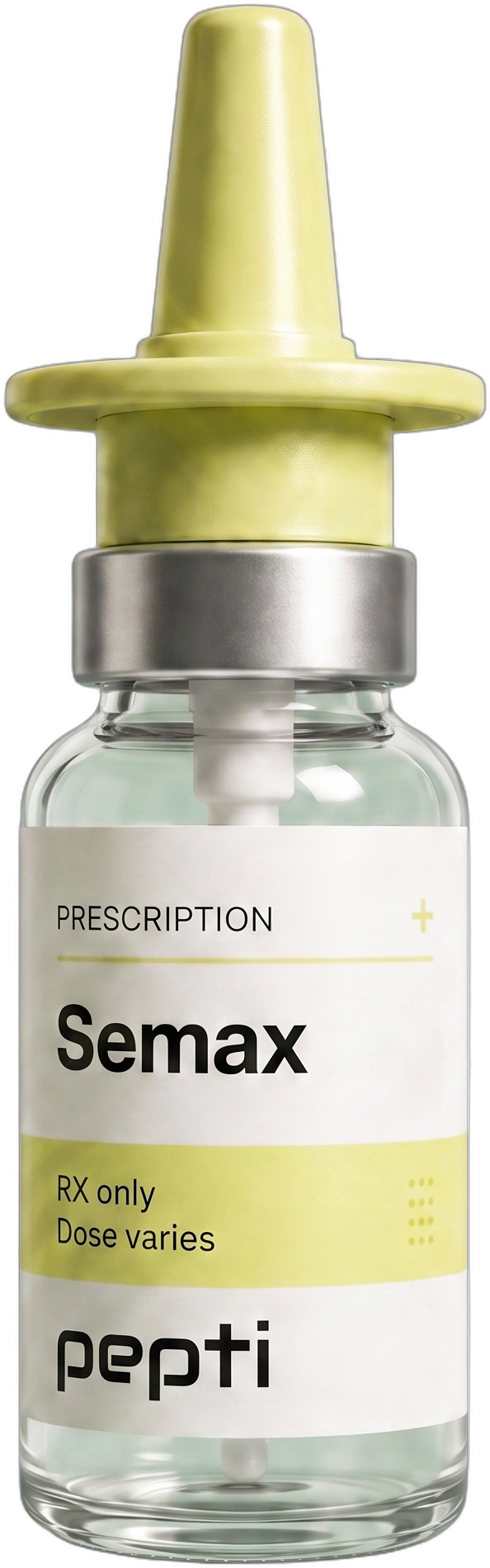
Supplements vs peptides: what bloodwork reveals is the key to making the right decision about optimizing your health. Instead of guessing what your brain or body needs, doctor-guided blood testing can pinpoint where supplements make sense, where peptides deliver targeted results, and how both fit together—especially when it comes to cognitive health, energy, and recovery. Here’s how to choose, why evidence matters, and why Pepti anchors every protocol in real data.
Key takeaways
- Supplements vs peptides differ in mechanism and precision—supplements address general nutrient gaps, peptides target specific biological pathways.
- Bloodwork guides supplementation and peptide therapy, ensuring protocols match actual deficiencies or dysfunctions.
- Pepti offers at-home and in-lab blood testing to check key biomarkers, with baseline and follow-up labs included as needed.
- Semax Nasal Spray is a prescription peptide for cognitive enhancement best used when bloodwork shows need.
- Combining data from bloodwork, Daily Pack supplements, and Pepti One wearables closes the loop for personalized optimization.
What is the difference between supplements and peptides?
The primary difference between supplements and peptides comes down to what they do and how they work. Supplements—like vitamins, minerals, fish oil, or adaptogens—are generally over-the-counter and aim to fill common nutrient deficiencies, support cellular processes, or promote general wellness. They’re broad and can be helpful, but effects are often subtle and rely on consistent use.
Peptides are short chains of amino acids. Many act as signaling molecules in the body, triggering highly specific biological effects—like growth hormone release, mitochondrial repair, or cognitive enhancement. Example: Semax Nasal Spray acts on the brain’s neurotrophic and neurotransmitter systems, enhancing focus, memory, and resilience when used at physician-guided doses.
Why bloodwork is essential for both
Guessing your needs can waste time, money, and energy. Bloodwork (like the panels Pepti offers here) gives a snapshot of your nutrient status (for supplements) and biological pathways (for peptides)—from vitamin B12 to thyroid hormone to inflammatory markers. Here’s why that matters:
- Supplements: It’s common to be low in vitamin D, magnesium, or B12—but not everyone is. Bloodwork pinpoints if you actually need them (and at what dose). The Daily Pack builds supplement protocols based on your labs, not generic advice.
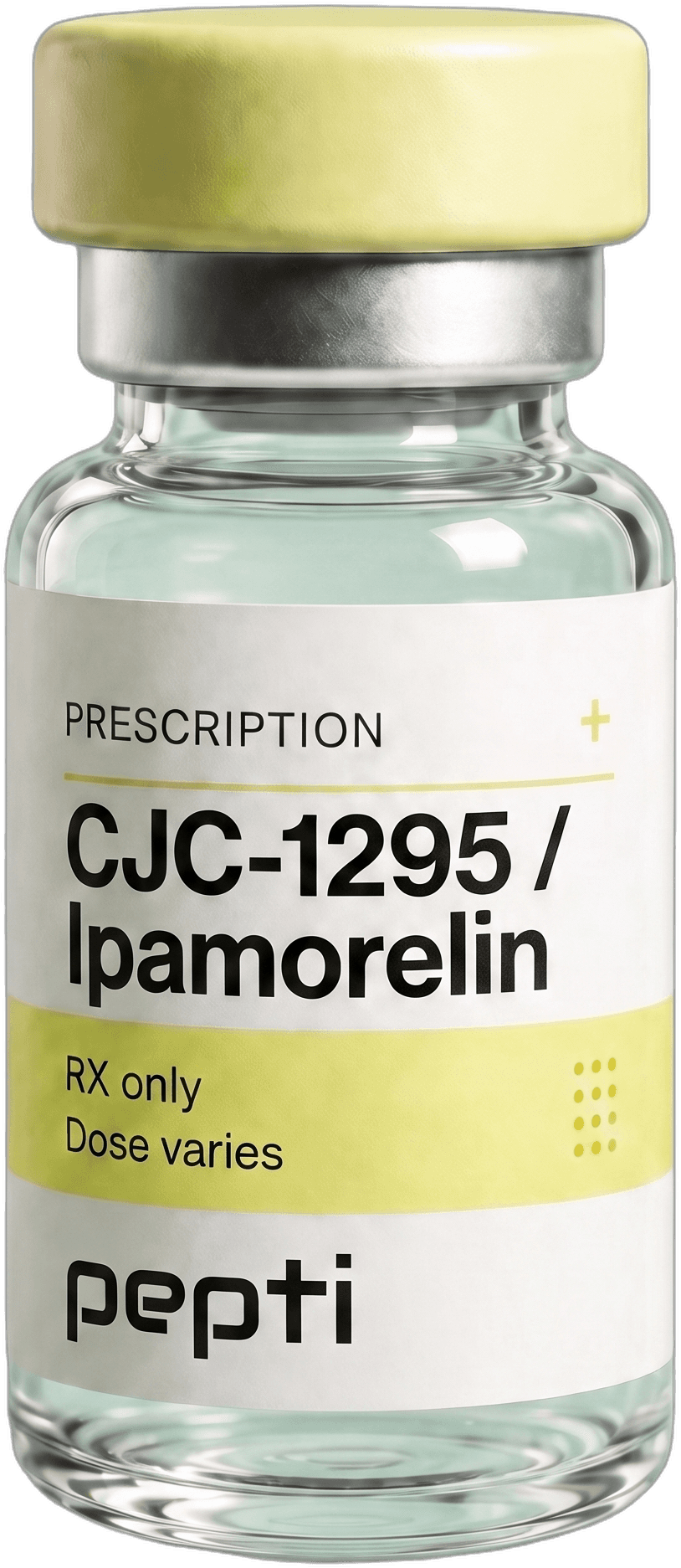
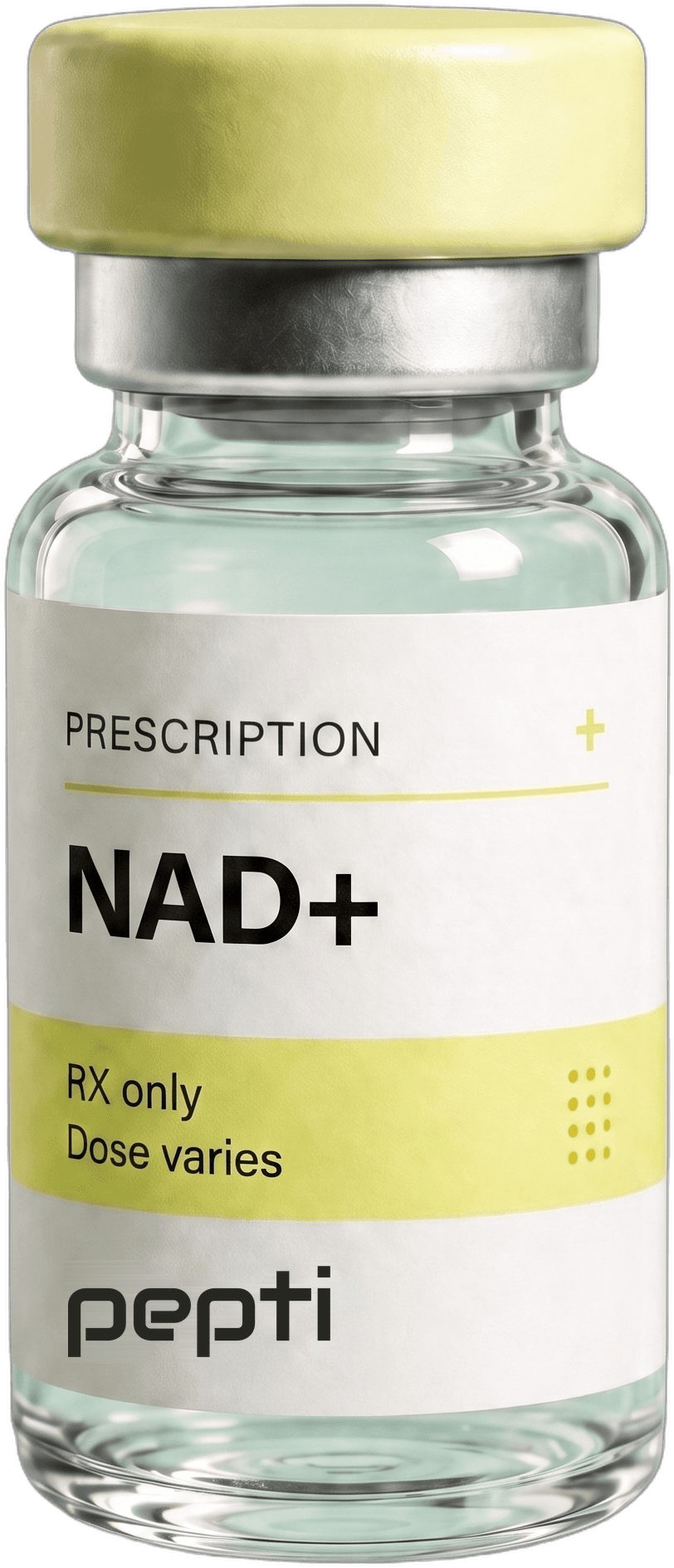
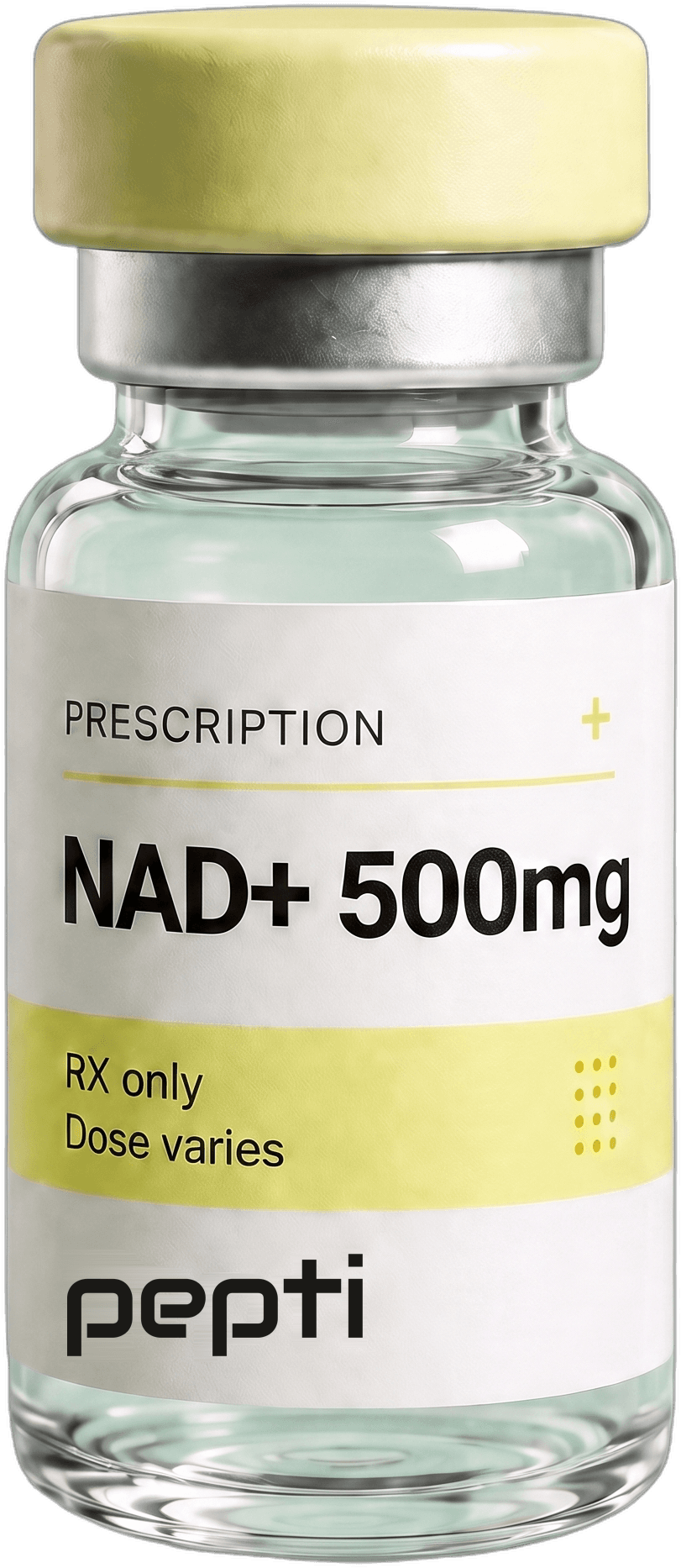
- Peptides: Many peptides act on pathways you can measure—like growth hormone (via IGF-1 for CJC-1295 / Ipamorelin), or markers of oxidative stress (for NAD+ Injection). Baseline bloods tell your doctor if therapy is warranted and help monitor for improvements or side effects.
Without bloodwork, you might supplement unnecessarily, miss hidden deficiencies, or use peptide therapy where it’s not indicated. Real data removes the guesswork.
Example: Using Semax Nasal Spray for cognitive enhancement
Semax is a physician-prescribed peptide for cognitive support, focus, and memory. But is it right for you? Here’s how bloodwork guides this decision:
- Cognitive complaints can stem from low B12, thyroid dysfunction, inflammation, or stress—each addressed differently.
- Pepti’s blood testing checks markers like B12, TSH, CRP, cortisol, and more. If labs show a B12 deficiency, a supplement (or shot like Lipo-B) may come first.
- If labs are optimal and cognitive symptoms persist, a focused peptide like Semax Nasal Spray—which modulates brain-derived neurotrophic factor (BDNF), dopamine, and stress response—may offer targeted enhancement.
Bottom line: The right choice isn’t supplement vs peptide—it’s what your biology shows you need. Pepti protocols always start and end with data.
How bloodwork, the Daily Pack, and Pepti One wearable work together
Closing the loop is Pepti’s philosophy: test, treat, track. Here’s how these tools integrate:
- Bloodwork gives your baseline—nutrients, hormones, metabolic health, and key biomarkers (see full list).
- Daily Pack assembles a supplement routine tailored to your actual deficiencies and goals—no more random bottles or guesswork.
- Peptides like Semax Nasal Spray, CJC-1295 / Ipamorelin, or NAD+ Injection are prescribed when your labs and symptoms align.
- Pepti One continuously tracks your sleep, recovery, HRV, and heart rate—data you and your doctor can use to refine your protocol in real time.
- Follow-up bloodwork (often included free for Pepti patients) shows if your protocol is working or needs adjusting.
This "test, treat, track" cycle is what sets Pepti apart from supplement stores or gray-market peptide vendors.
What about buying peptides online or “research” vendors?
It’s tempting to grab peptides or supplements from a discount site—but the risks are real. Doctor-prescribed peptides from Pepti come from licensed compounding pharmacies, with full purity and sterility checks, physician oversight, and built-in recourse if something goes wrong. In contrast, “research” or gray-market vendors often lack testing, medical review, or even proper dosing—see gray market vs Pepti.
Your health deserves more than guesswork or sourcing gambles.
When do you need supplements, peptides, or both?
Supplements make sense when labs show clear, correctable deficiencies—iron, vitamin D, magnesium, B12—that a personalized Daily Pack can address.
Peptides play a role when you need to target a specific biological pathway, like:
- Cognitive enhancement (Semax Nasal Spray)
- Improving energy (NAD+ Injection)
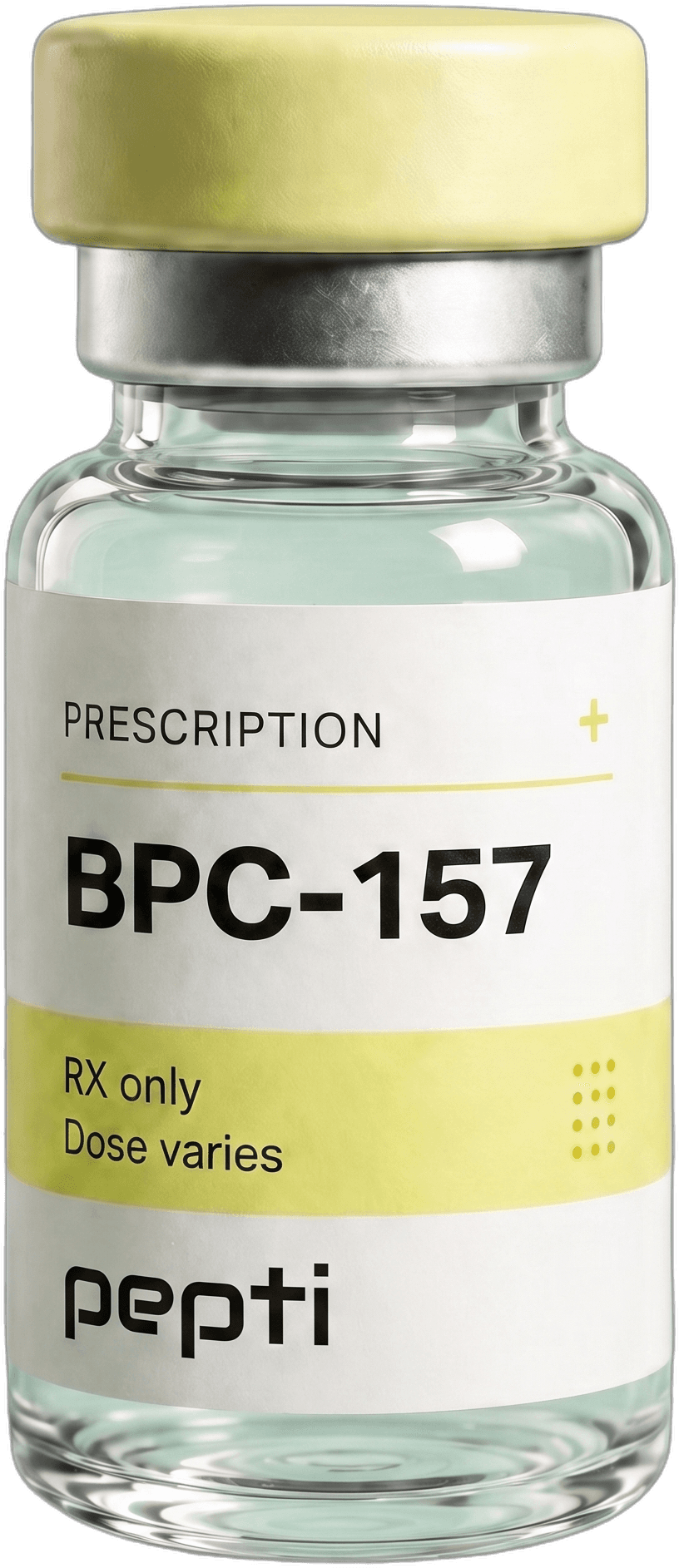
- Supporting growth or recovery (CJC-1295 / Ipamorelin, BPC-157)
Oftentimes, both are needed. For example, B12 deficiency can cause cognitive fog—so supplementing B12 is essential—but if labs are normal and symptoms remain, peptides may help. Your doctor, guided by your bloodwork, makes a plan tailored to you (not social media trends).
Why baseline and follow-up bloodwork matter
- Baseline labs: Identify deficiencies (vitamin, hormone, metabolic), create a tailored protocol, and document a safe starting point.
- Follow-up labs: Track progress, fine-tune dosing, confirm improvements, and address side effects or new issues.
- Pepti: Offers blood testing at home or at a local lab, and includes a standard panel free with peptide protocols where needed.
Learn more about the biomarkers we test and why regular testing is core to every personalized protocol.
Frequently asked questions
How do I know if I need supplements or peptides?
Start with bloodwork. If you have clear deficiencies or issues on labs, your doctor can recommend evidence-based supplements or peptides that fit your biology—not just your symptoms.
Can I take supplements and peptides at the same time?
Yes, often both are used together—if your labs and goals warrant it. For example, the Daily Pack can address nutrient gaps, while peptides like Semax target focus or cognition. Always do so under physician guidance.
How often should bloodwork be repeated during therapy?
Typically, every 3-6 months—or as your doctor recommends. Baseline and repeat labs ensure your protocol remains safe, effective, and customized as your body changes.
Is it safe to buy peptides or supplements online without a prescription?
Supplements are widely available, but quality varies. For peptides, unsupervised online or gray-market sources pose real risks: purity, dosing errors, lack of oversight, and no recourse if problems arise. Stick to doctor-prescribed protocols like those at Pepti.
Ready to get started? Take the free assessment at pepti.com/assessment to see which protocol and testing are right for you.