The Next Generation of Weight Loss Peptides: Research Roundup
Peptide therapies are shaking up the landscape of obesity care, and Tirzepatide (Injectable) is leading the charge. This next-gen dual agonist (GLP-1/GIP) is making waves for its exceptional weight loss results in recent clinical trials—outperforming even earlier peptide therapies. But how does it stack up against other options? Here, we break down the most compelling new evidence on tirzepatide, compare related peptides, and explain what it means for your health journey.
Tirzepatide: The Star Performer in Clinical Trials
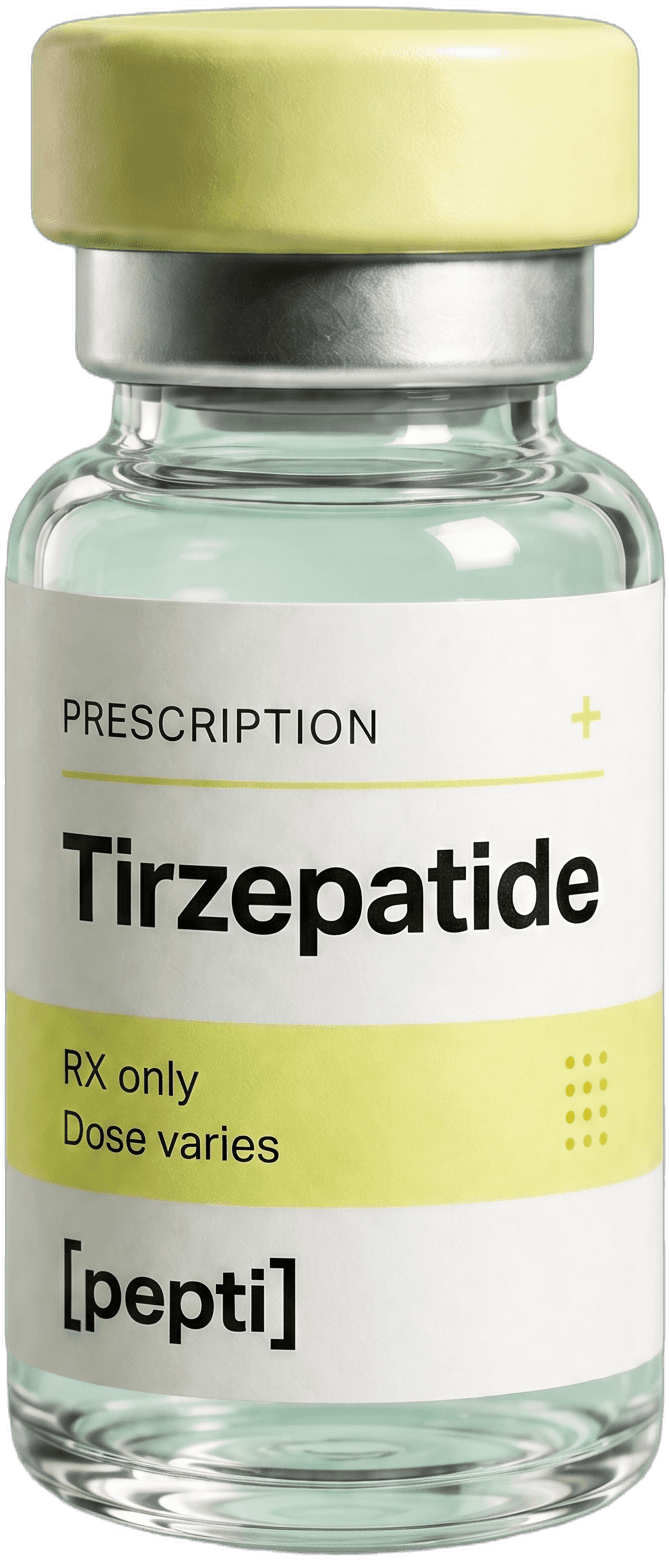
Tirzepatide has emerged from recent studies as a game-changer in medical weight management. In the SURMOUNT-1 trial—one of the largest and most rigorous studies to date—over 2,500 adults with obesity or overweight participated. At the highest studied dose (15mg weekly), participants lost an average of 21% of their body weight after 72 weeks (compared to 3% for placebo). Many participants hit clinically meaningful milestones (like 15%, 20%, and even 25% weight loss), surpassing results seen in earlier peptide therapies.
Key highlights:
- Dual-agonist action: Activates both GLP-1 and GIP receptors for synergistic metabolic effects
- Rapid onset: Some participants began losing weight within the first few weeks
- Metabolic improvements: Significant reductions in waist circumference, blood sugar (A1c), and cholesterol markers
"Tirzepatide is raising the bar for non-surgical weight management," says Dr. R. Kushner, lead investigator of SURMOUNT-1. "We’re seeing results on par with some bariatric procedures—without surgery."
How Does Tirzepatide Compare? Semaglutide, Retatrutide, and More
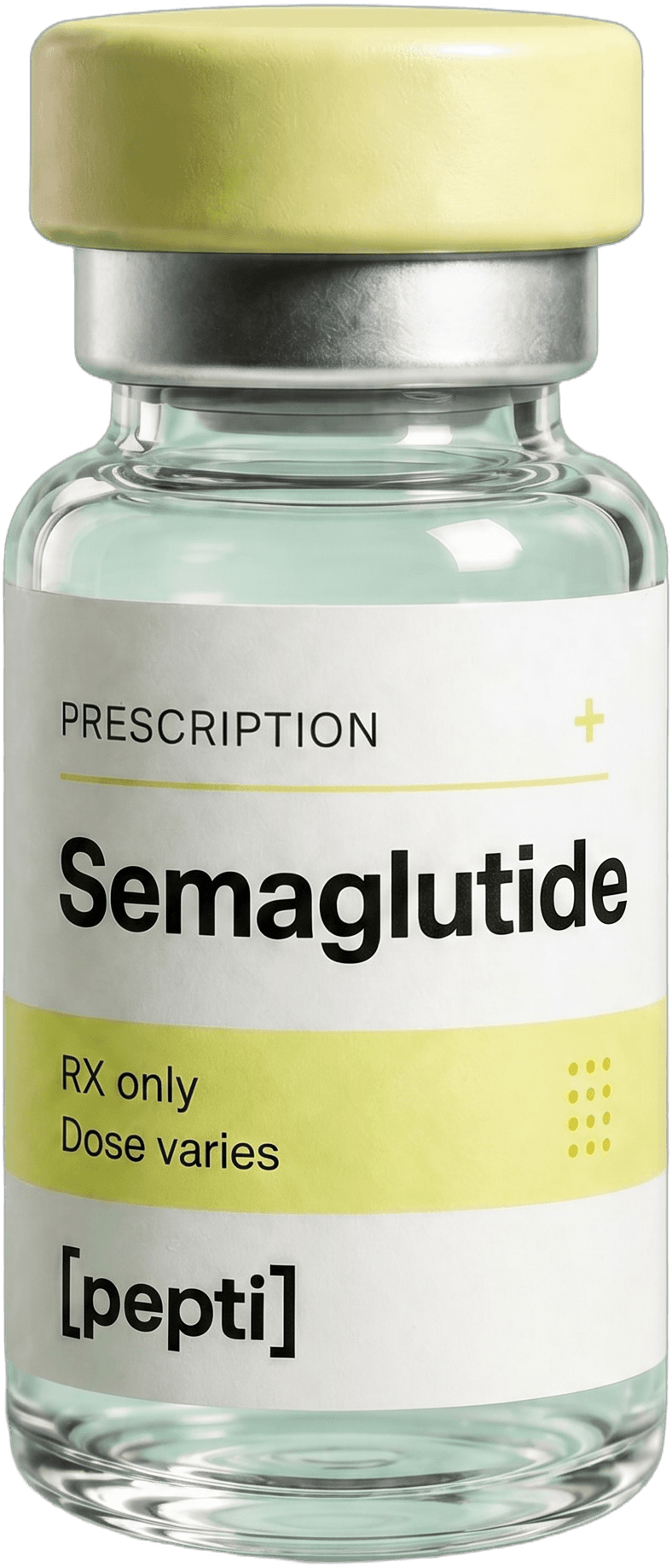
While tirzepatide is impressive, it’s not the only peptide making headlines. Semaglutide (Injectable), a pure GLP-1 agonist, remains a gold-standard option with an average ~15% weight loss in key trials (like STEP-1). Semaglutide is also available in oral form, delivering needle-free convenience for some patients.
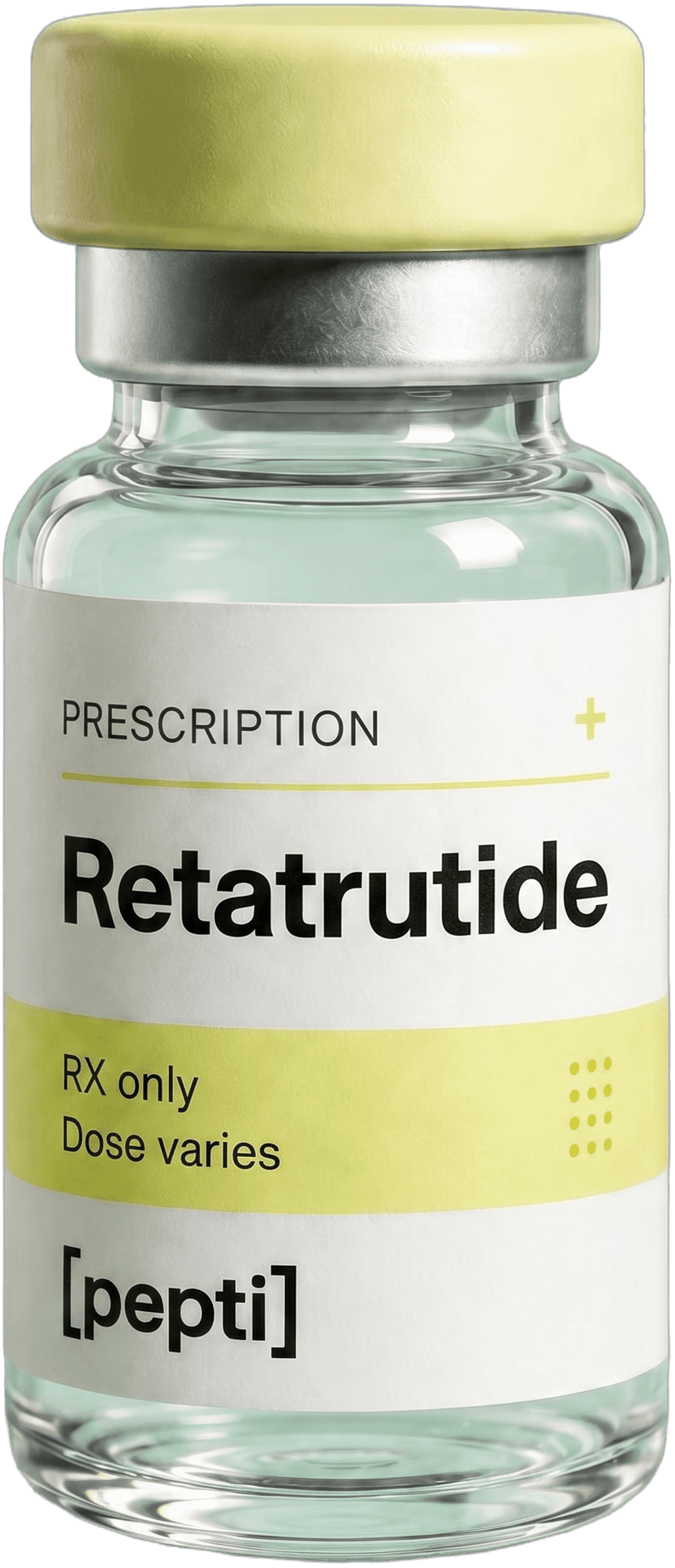
But what about the next wave? Early studies of Retatrutide (Injectable), a triple-agonist targeting GLP-1, GIP, and glucagon receptors, suggest even greater effects—33.7% average weight loss at highest tested dose in a 2023 NEJM-published trial. However, retatrutide is still in the later stages of clinical development and not yet as widely prescribed as tirzepatide or semaglutide.
Comparison snapshot:
- Tirzepatide: Dual GLP-1/GIP; ~21% average weight loss; robust metabolic effects
- Semaglutide: Single GLP-1; ~15% average weight loss; excellent for many patients
- Retatrutide: Triple GLP-1/GIP/glucagon; ~24–33% in trials (pending wider rollout)
Choosing the best option depends on your goals, health status, and preferences. [Pepti] helps you navigate these choices with physician-guided care and ongoing monitoring.
Why Baseline & Follow-up Blood Testing Matters
Before starting—or optimizing—peptide therapy, understanding your metabolic and hormonal baseline is crucial. Weight loss peptides like tirzepatide, semaglutide, and retatrutide can impact glucose regulation, liver function, cholesterol, and even thyroid and nutrient levels. That’s why [Pepti] offers comprehensive blood testing, with both at-home kits and in-lab options.
What do we test? Check out the full list of biomarkers we test to see exactly what’s measured. Monitoring before, during, and after therapy helps:
- Ensure safety and suitability for peptides
- Track progress beyond the scale (metabolic health, insulin, A1c, etc.)
- Guide dose adjustments and support long-term results
Pro-tip: If your doctor requires it, a standard blood panel is included free with your peptide plan.
Other Promising Metabolic Peptides to Watch
While tirzepatide, semaglutide, and retatrutide are headline-makers, metabolic optimization doesn’t end there. 5-Amino-1MQ is a unique oral peptide that targets fat cell metabolism via the NNMT pathway. Early research suggests potential for reducing fat mass and improving energy balance—especially in combination with GLP-1 therapies.
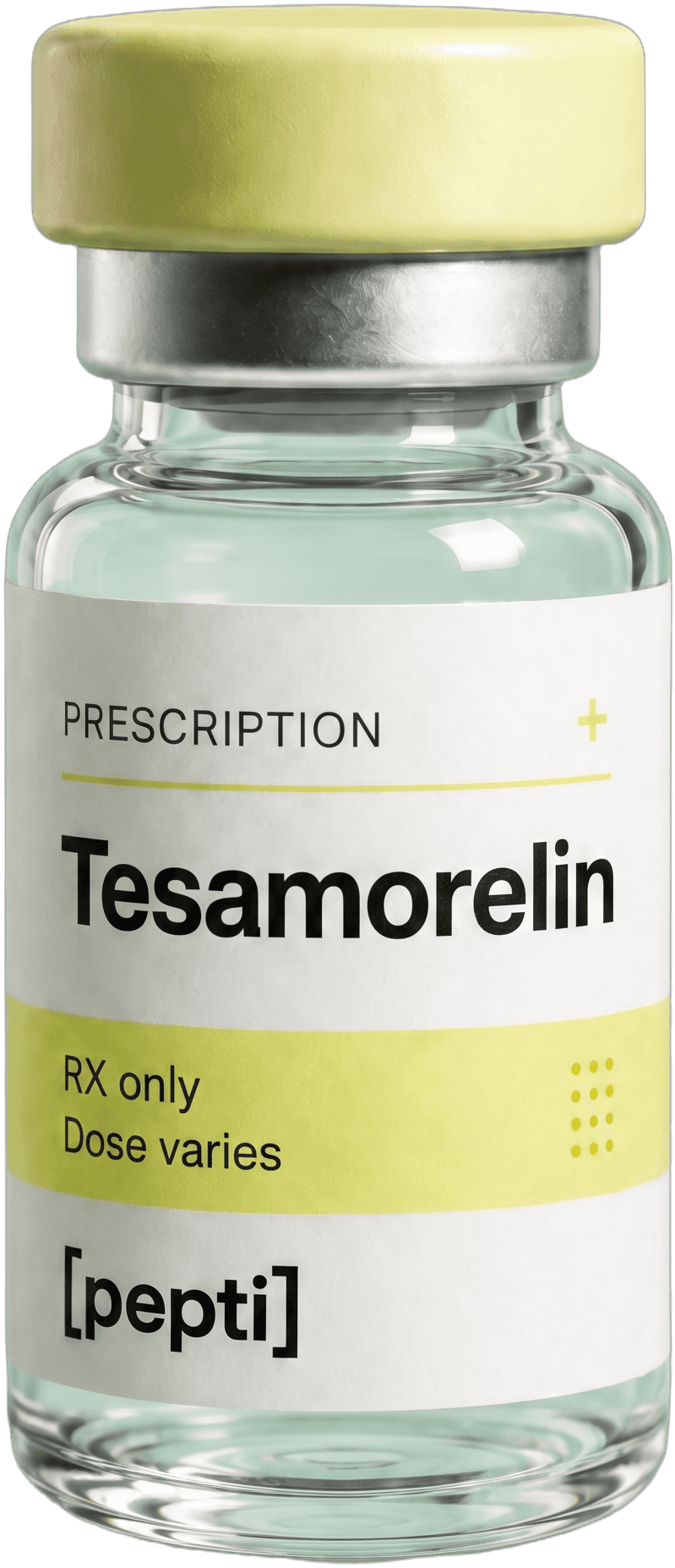
Additionally, blends like MOTS-c / Tesamorelin (Injectable) are gaining attention for supporting mitochondrial function and visceral fat reduction, which may complement classic weight-focused peptides.
In summary:
- Weight loss peptides are evolving rapidly, delivering more potent and sustainable results than ever
- Tirzepatide stands out for dual-agonist efficacy, but other peptides and smart blends offer unique synergy
- Ongoing research is expanding the toolkit for obesity, metabolic syndrome, and beyond
Frequently asked questions
How long does it take to see results with tirzepatide?
Most people start to see some weight loss within the first month. The largest reductions typically build steadily over 3–6 months, with continued progress possible for a year or more as part of a doctor-guided plan.
Do I need blood tests before starting peptide therapy?
Yes—baseline bloodwork is recommended to ensure safety, optimize your protocol, and monitor for any side effects or changes in metabolic health. [Pepti] includes easy blood testing options for all patients.
What are common side effects of tirzepatide?
Most are mild and GI-related, such as nausea, decreased appetite, or constipation. These often improve over time. Your clinical team will help you manage any symptoms and guide dosing adjustments if needed.
Ready to see if cutting-edge peptide therapy is a fit for your goals? Start with a free, personalized assessment at [pepti]/assessment.