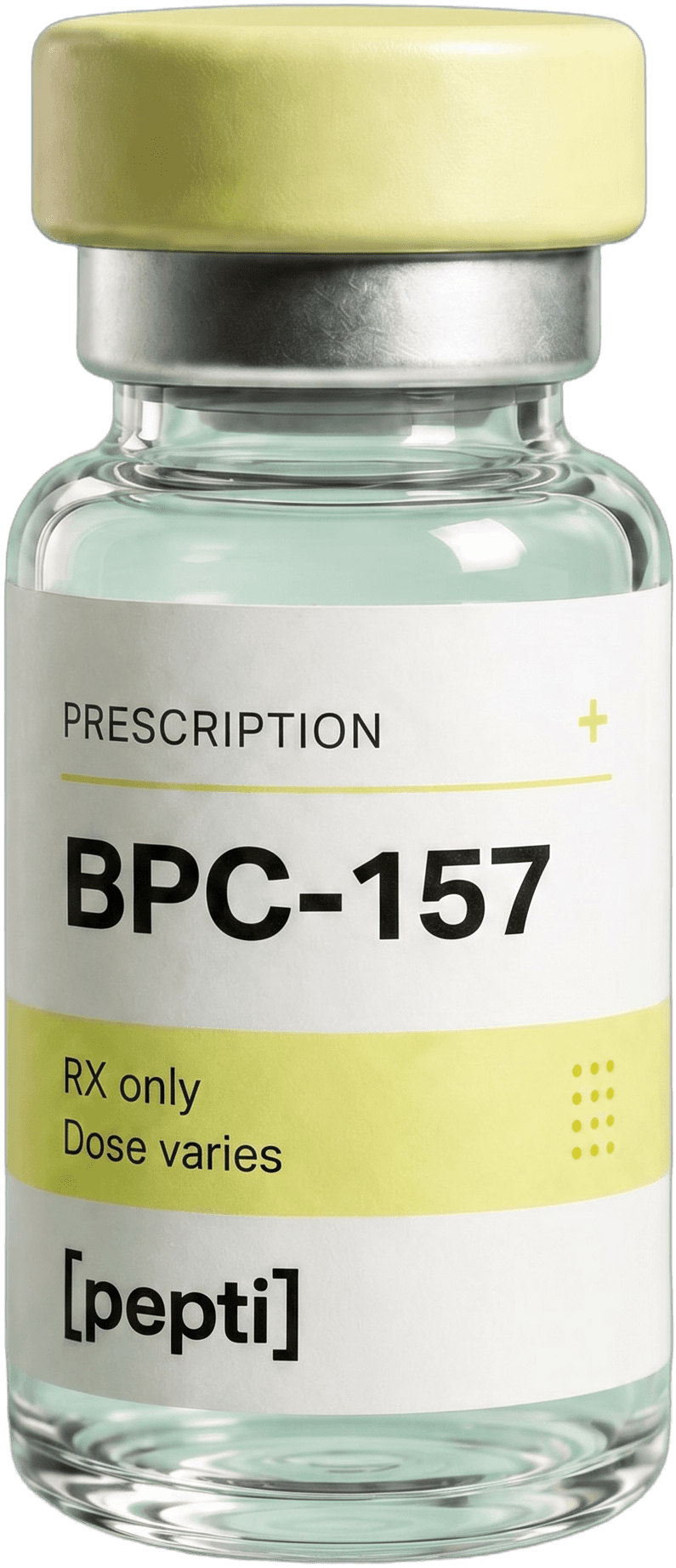
What is BPC-157?
BPC-157 is a synthetic peptide derived from a protective protein found in the human digestive tract. Known formally as "Body Protection Compound-157," it’s gaining attention for its unique potential to accelerate recovery, reduce inflammation, and support gastrointestinal health. BPC-157 (Injectable) is available as a doctor-prescribed, self-administered injection through [pepti].
The Science Behind BPC-157
BPC-157 is a short chain of 15 amino acids—remarkably stable and bioactive. Unlike many peptides that are quickly broken down in the digestive system, BPC-157 has demonstrated resilience, making it suitable for injectable forms that maximize absorption and efficacy.
Key Mechanisms
- Angiogenesis stimulation: BPC-157 promotes new blood vessel formation, critical for tissue repair.
- Anti-inflammatory action: It helps regulate cytokines, modulating excessive inflammation.
- Gut lining protection: Supports mucosal defense and tight junction integrity, vital for gut barrier function.
- Fibroblast activation: Drives collagen production and tissue remodeling for joint and muscle repair.
Research Highlights
- Tendon & Ligament Healing: Animal models show up to 50% faster healing of tendon-to-bone injuries.
- GI Tract Support: Studies reveal protection against ulcers, leaky gut, and even NSAID-induced gut damage.
- Systemic Effects: Evidence suggests benefits extend to the brain, nerves, and cardiovascular system by reducing oxidative stress.
Note: While human trials are still limited, clinical experience and preclinical data have driven growing off-label, physician-guided use.
Use Cases: Who is BPC-157 For?
1. Injury Recovery & Soft Tissue Repair
- Athletes recovering from strains, sprains, or overuse injuries
- Post-surgical healing for tendons, ligaments, or muscle repair
- Everyday "weekend warriors" looking to bounce back from injury
2. Gut Health Optimization
- Individuals with gut discomfort, leaky gut, or irritable bowel symptoms
- Those experiencing “GI fallout” from medications (like NSAIDs)
- Biohackers and health optimizers prioritizing gut barrier support
3. Anti-Inflammatory & Systemic Recovery
- Joint pain and lingering inflammation
- Support during intensive physical training or rehabilitation
Pro Tip: If you’re seeking broader tissue healing or a synergistic effect, stacking BPC-157 with TB-500 (Injectable) (deep tissue repair) or choosing protocols like BPC-157 + TB-500 (The Wolverine Protocol) can be considered under medical supervision.
How is BPC-157 Used?
Dosing & Administration
- Typical Dose: 200-500mcg once or twice daily, most commonly as a subcutaneous injection near the injury or into abdominal fat for gut health.
- Course Duration: 4-8 weeks is a standard course, but protocols may vary.
- Onset: Many users report improvement in recovery, pain, or gut symptoms within 2-4 weeks.
Safety & Side Effects
- Well-tolerated: BPC-157 is not immunogenic and hasn’t shown systemic toxicity in available studies.
- Possible mild effects: Occasional redness or discomfort at the injection site, rare headaches, or GI changes.
- Medical oversight: Always essential; [pepti] requires a physician review, baseline health assessment, and ongoing check-ins.
The Role of Bloodwork in Peptide Therapy
For optimal results and safety, baseline and periodic blood testing are recommended before and during peptide therapy. This helps your doctor monitor key biomarkers related to inflammation, liver function, metabolic health, and nutrient status, adjusting your protocol as needed. Comprehensive assessment ensures your peptide journey is tailored, safe, and effective.
Real-World Applications: Case Snapshots
- Athlete: A runner with persistent Achilles pain used BPC-157 for six weeks, alongside physical therapy. Reported faster comfort, improved mobility, and return to training in half the expected time.
- Gut Health Seeker: A busy professional with recurring GI upset (after NSAID use) experienced noticeable reduction in bloating and discomfort, with improved tolerance to a wider range of foods.
- Post-Surgical Recovery: An orthopedic patient recovering from rotator cuff repair added BPC-157 to their regimen. Noticeably less swelling and a shorter rehab timeline were observed, with physician monitoring.
Comparing BPC-157 to Other Healing Peptide Options
- TB-500 (Injectable): Focuses on deep tissue repair and cellular migration, often stacked with BPC-157 for stubborn injuries.
- KPV (Injectable): Potent anti-inflammatory and gut-focused peptide, can synergize for those with inflammatory bowel concerns.
- GLOW (BPC-157 / GHK-Cu / TB-500): A blend for skin, hair, and recovery support, for those seeking holistic optimization.
The best peptide protocol is always individualized—our team at [pepti] is here to help you decide what’s right for your goals.
Frequently asked questions
How long does it take to notice effects from BPC-157?
Many users report symptom improvements within 2-4 weeks, but full healing or gut optimization may require 6-8 weeks and varies by type of injury or condition. Your provider will tailor duration to your needs.
Can BPC-157 be combined with other peptides?
Yes, BPC-157 is often paired with TB-500, KPV, or specialized blends like GLOW for synergistic effects. Always discuss with your healthcare provider before stacking peptides to ensure safety and proper dosing.
Is bloodwork required before starting BPC-157?
Baseline blood testing is highly recommended (and sometimes required) to identify underlying factors that may affect healing and to monitor for safety. This allows your physician to personalize protocols and follow your progress with key biomarkers.
Ready to optimize your healing and gut health? Take the free assessment at pepti and discover your personalized peptide protocol.