The Evolving Landscape of Compounded Peptides
As we move towards 2026, the regulatory environment surrounding compounded peptides is rapidly evolving. Compounded peptides, such as Gonadorelin, are garnering attention for their hormone support and fertility benefits. This article will explore the current regulations, the potential changes on the horizon, and how these factors will impact your access to peptide therapies.
Current Regulatory Framework
Currently, compounded peptides are regulated under the Federal Food, Drug, and Cosmetic Act (FDCA). The Drug Enforcement Administration (DEA) and state pharmacy boards oversee the compounding process. Here’s a breakdown of how this framework operates:
- Compounding for Specific Patients: Pharmacies can compound peptides for individual patients based on a prescription from a licensed healthcare provider.
- Quality and Safety Standards: Compounding pharmacies must adhere to strict quality and safety standards to ensure the peptide’s efficacy and overall patient safety.
- Investigational New Drug (IND) Applications: Some compounded peptides may require an IND application if intended for research or new treatment protocols.
The Role of the FDA
The FDA has taken an active role in regulating compounded medications, emphasizing the importance of safety and efficacy. The agency has issued guidance on which compounded medications may be subject to greater scrutiny, particularly those that have commercially available alternatives. Gonadorelin, for instance, is a peptide that is not widely available as a commercially manufactured product, which could potentially exempt it from some of the stricter regulations applied to other peptides.
Looking Ahead: Potential Regulatory Changes
As we approach 2026, there are several trends and potential changes that may shape the regulatory landscape:
- Increased Transparency: Expect more significant pressure on compounding pharmacies to provide detailed information about sources and manufacturing processes of the peptides they use.
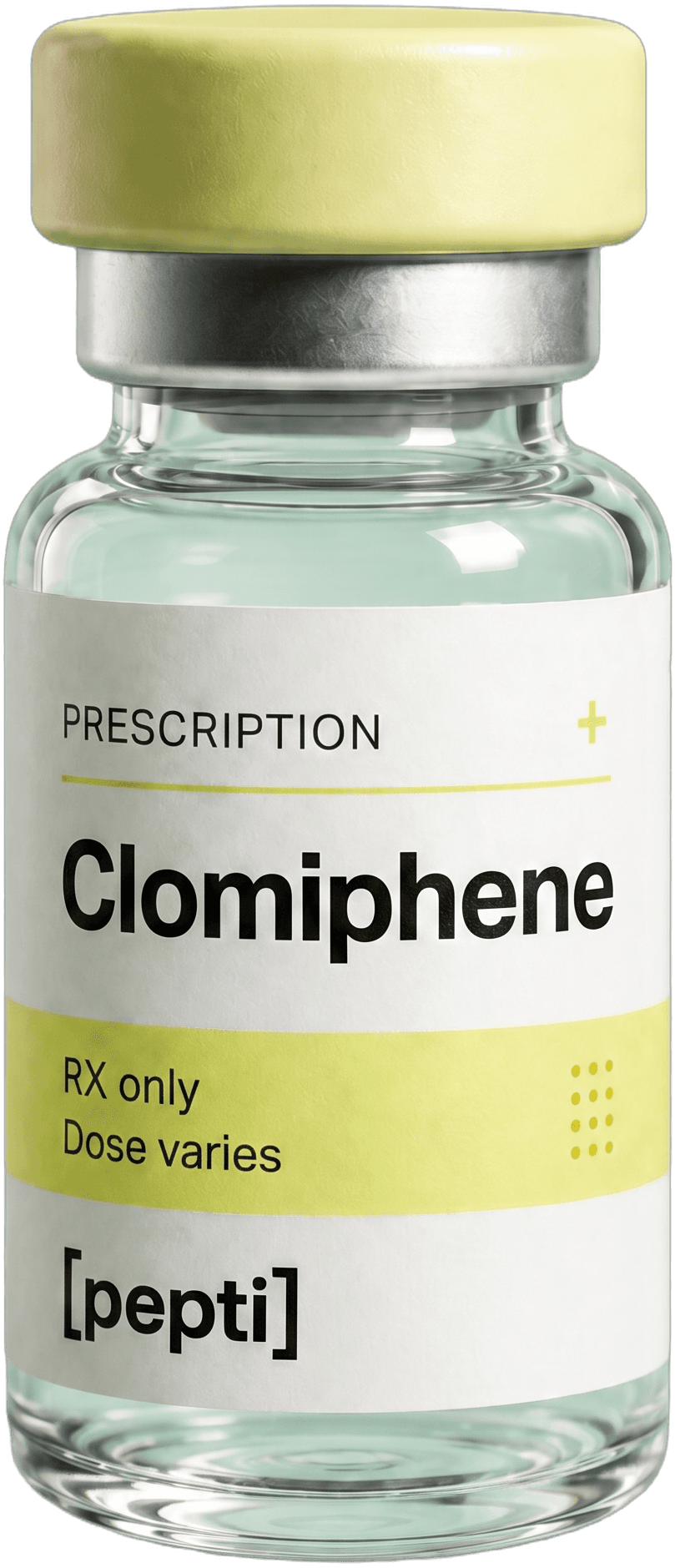
- Tighter Regulations: The FDA may implement stricter guidelines on the compounding of certain peptides, particularly those linked to hormone therapy, like HCG and Clomiphene.
- Telehealth Integration: With telehealth on the rise, regulations may evolve to accommodate remote prescriptions for compounded peptides, allowing easier access for patients seeking treatments like Gonadorelin.
The Importance of Blood Testing in Peptide Therapy
As with any hormone therapy, monitoring through blood testing is crucial. Baseline and follow-up bloodwork plays a vital role in:
- Ensuring Effectiveness: Tracking hormone levels helps determine how well the peptide therapy is working.
- Avoiding Side Effects: Regular testing helps identify any potential adverse reactions, ensuring patient safety.
- Tailoring Treatment Plans: Adjustments to dosages can be made based on hormone levels, optimizing the therapy for individual needs.
At pepti, we emphasize the importance of comprehensive blood testing. We offer both at-home collection kits and in-lab draws to help monitor hormone, metabolic, thyroid, and nutrient levels. Interested in learning more? Check out our blood testing services.
Gonadorelin: A Key Peptide in Hormone Support
Gonadorelin is a synthetic form of gonadotropin-releasing hormone (GnRH) that plays a pivotal role in hormone support and fertility. Used in various therapeutic protocols, it has shown promise in:
- Stimulating Hormone Production: By mimicking natural GnRH, it helps stimulate the pituitary gland to release crucial hormones such as LH and FSH, which are vital for fertility.
- Balancing Hormones: It can assist in restoring hormonal balance in patients experiencing deficiencies.
- Improving Fertility Outcomes: Many patients undergoing fertility treatments have found Gonadorelin beneficial in optimizing their chances of conception.
As we look toward 2026, navigating the regulatory landscape for compounded peptides like Gonadorelin will be essential for providers and patients alike. Staying informed and proactive about these changes ensures that you can access safe and effective treatment options when you need them.
Frequently Asked Questions
What is Gonadorelin, and how does it work?
Gonadorelin is a synthetic hormone that mimics the natural gonadotropin-releasing hormone (GnRH). It stimulates the pituitary gland to release hormones essential for reproduction and hormonal balance, making it a valuable option for fertility treatments.
How can I ensure my peptide therapy is safe and effective?
Ensuring your peptide therapy's safety and effectiveness involves regular blood testing to monitor hormone levels. At pepti, we provide comprehensive blood testing options to help you track your progress and make necessary adjustments.
What changes can we expect in the regulation of compounded peptides?
As we approach 2026, we may see increased transparency and stricter regulations regarding the compounding of peptides. This could affect the availability and prescribing practices, particularly for those used in hormone therapies.
Ready to explore how peptide therapy can benefit you? Take our free assessment at pepti today!