The phrase "mots-c peptide mechanism" is top of mind for those researching mitochondrial optimization, longevity, or cellular energy support. In brief: MOTS-c is a mitochondria-derived peptide that signals your cells to adapt to metabolic stress, enhance energy production, and support resilience against age-related decline. When prescribed and administered as an injectable, MOTS-c works by activating key cellular pathways that help your body better utilize glucose, burn fat, and resist oxidative stress—all at the level of your cellular powerhouses: mitochondria.
Key takeaways: mots-c peptide mechanism
- MOTS-c is a naturally occurring mitochondrial peptide that optimizes energy use in cells.
- It acts mainly by activating AMPK, a metabolic master switch that boosts glucose uptake and fat burning.
- Research suggests MOTS-c may help with metabolic health, exercise performance, and longevity pathways.
- Baseline and follow-up blood testing are critical to track mitochondrial and metabolic markers during peptide protocols.
How does MOTS-c peptide work in the body?
MOTS-c (mitochondrial open reading frame of the 12S rRNA-c) is a 16-amino acid peptide produced inside mitochondria. Unlike most peptides, it's encoded by mitochondrial DNA—not nuclear DNA. This unique origin means MOTS-c acts as a kind of metabolic messenger between your mitochondria and the rest of your cell, helping to regulate how energy is produced and consumed under stress.
Activating AMPK: the metabolic "On" switch
The most important MOTS-c peptide mechanism is its ability to activate AMP-activated protein kinase (AMPK). AMPK is often called a "metabolic master switch." When activated, AMPK signals your cells to:
- Increase glucose uptake (for immediate cellular energy)
- Enhance fat oxidation (burn stored fat)
- Inhibit fat creation (lipogenesis)
- Boost mitochondrial biogenesis (creation of new mitochondria)
Why does this matter? During times of metabolic stress, such as fasting or intense exercise, AMPK helps cells survive by switching their fuel preference and enhancing energy efficiency. MOTS-c acts as a natural activator of this process.
Optimizing glucose and insulin sensitivity
Studies in animal models (Cell Metab 2015) show that MOTS-c increases glucose uptake in muscle and liver tissue and improves insulin sensitivity. This has drawn interest for its potential to support metabolic health, body composition, and resilience against age-related metabolic slowdowns.
Fighting oxidative stress and cellular aging
MOTS-c also impacts the antioxidant status of cells. By supporting AMPK signaling, it helps reduce reactive oxygen species (ROS), essentially dialing down oxidative damage—a key factor in aging. Some early research even links MOTS-c to improved exercise capacity and longevity in rodents (Nature Communications 2020).
Why mitochondrial health matters for energy, weight, and aging
Mitochondria are your cellular batteries. When functioning optimally, they:
- Efficiently convert nutrients into ATP (energy)
- Manage metabolic waste and regulate cell death (apoptosis)
- Buffer against oxidative stress, which can accelerate cellular aging
As we age or face chronic stress, mitochondrial function can decline—leading to fatigue, increased fat storage, and less resilience. Peptides like MOTS-c are being studied as tools to counteract this decline by directly boosting the cell’s own regulatory signals.
How does MOTS-c compare to other mitochondrial peptides?
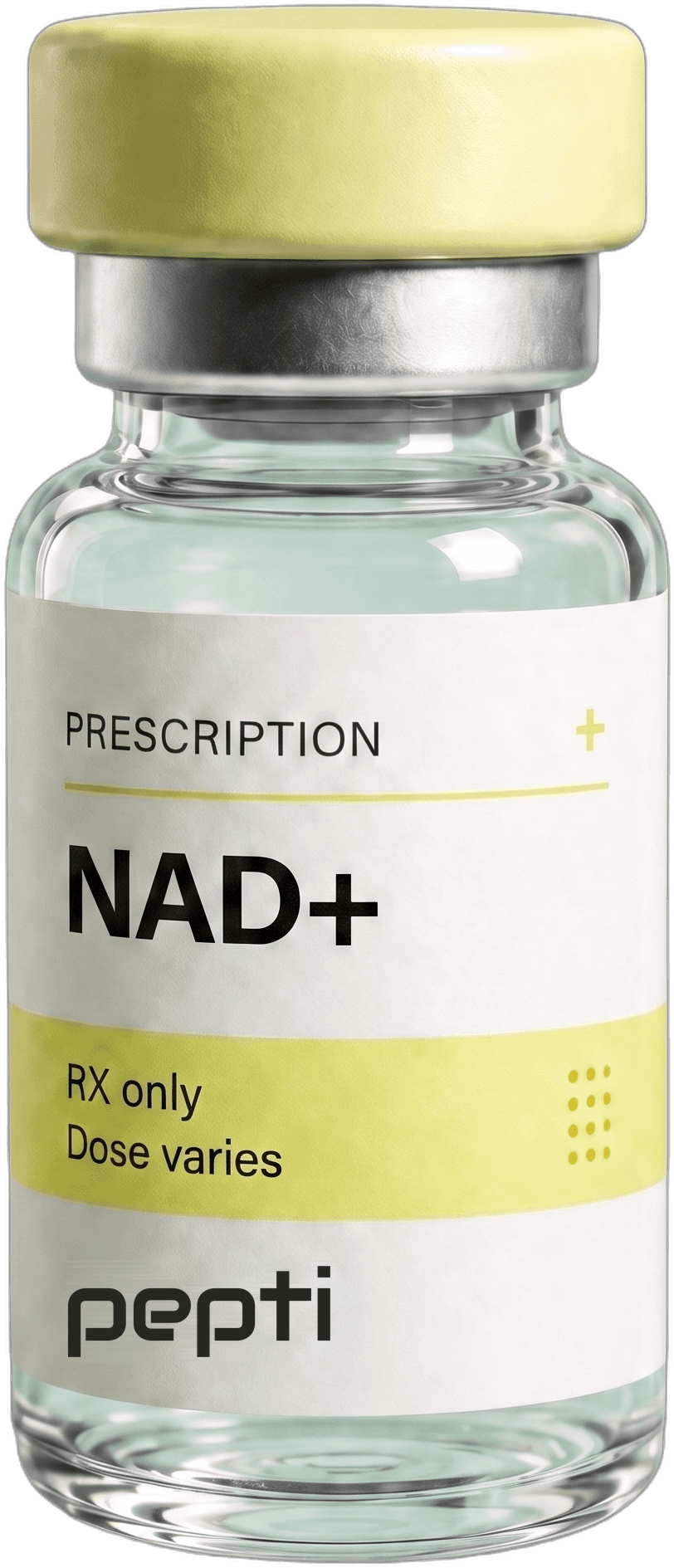
Alongside MOTS-c, peptides like SS-31 (Elamipretide) and NAD+ Injection are also used to target mitochondrial health. Here’s a quick comparison table:
| Peptide | Main Mechanism | Key Benefits |
|---|---|---|
| MOTS-c | Activates AMPK, metabolic signaling | Energy, metabolic health, potential longevity |
| SS-31 | Stabilizes mitochondrial membranes, reduces ROS | Mitochondrial repair, tissue protection |
| NAD+ Injection | Boosts NAD+ pools, essential for cellular metabolism | Energy, repair, cognitive support |
These peptides can be complementary, and your Pepti physician can help determine which best fits your goals and biology. Some protocols even combine MOTS-c with other peptides (e.g., MOTS-c / Tesamorelin) for synergistic metabolic support.
Why track bloodwork when starting mitochondrial optimization?
Baseline and follow-up blood testing are critical when using peptides that impact metabolism and mitochondria. Your doctor may monitor markers such as glucose, insulin, HOMA-IR, liver enzymes, and inflammation, plus key biomarkers relevant to energy and metabolic health. Results help dial in dosing, measure progress, and safely monitor response.
Closing the loop: test, treat, track
Pepti supports patients with:
- Physician-reviewed blood panels (see what we test)
- Personalized protocols based on your results
- Optional Daily Pack supplements, built around your unique needs
- The Pepti One — a wearable for tracking sleep, heart rate variability, and recovery alongside labs and peptide treatment
This "test, treat, track" approach helps you and your provider optimize mitochondrial health, energy, and aging with data-driven confidence.
What does a typical MOTS-c peptide protocol look like?
Protocols are individualized, but most start with daily or several-times-weekly subcutaneous MOTS-c injections for 2-4 weeks, then cycle with rest periods. Dosing is always physician-directed for safety. Combination therapies (like MOTS-c plus Tesamorelin) may be explored for additional metabolic support or fat loss.
Are there side effects or contraindications?
MOTS-c is generally well tolerated in studies, but as with any injectable peptide, mild redness or irritation at the injection site can occur. Rarely, metabolic peptides can affect blood sugar—another reason why ongoing blood testing matters. Always discuss personal risks and medications with your provider before starting.
Frequently asked questions
What is the main mechanism of action for MOTS-c peptide?
MOTS-c activates the AMPK pathway, a central regulator of cellular energy balance, helping cells take up more glucose, burn stored fat, and resist oxidative stress. This mechanism supports mitochondrial health and metabolic flexibility.
How quickly do you feel the effects of MOTS-c?
Individual response varies, but some report subtle increases in energy, endurance, or exercise recovery within 2-4 weeks of starting a protocol. Objective improvements—like better blood sugar control—are tracked by follow-up bloodwork.
Can MOTS-c be combined with other peptides for better results?
Yes; some protocols stack MOTS-c with peptides like Tesamorelin or NAD+ Injection to target metabolism and mitochondrial function from multiple angles. Your Pepti physician can tailor a plan to your biology and goals.
Why do I need bloodwork before starting MOTS-c?
Baseline and ongoing blood testing allow your provider to evaluate metabolic health, spot contraindications, and objectively monitor progress on your peptide protocol. It’s the safest, most effective path to results.
Ready to see if mitochondrial optimization is right for you? Take the free assessment at /assessment today.