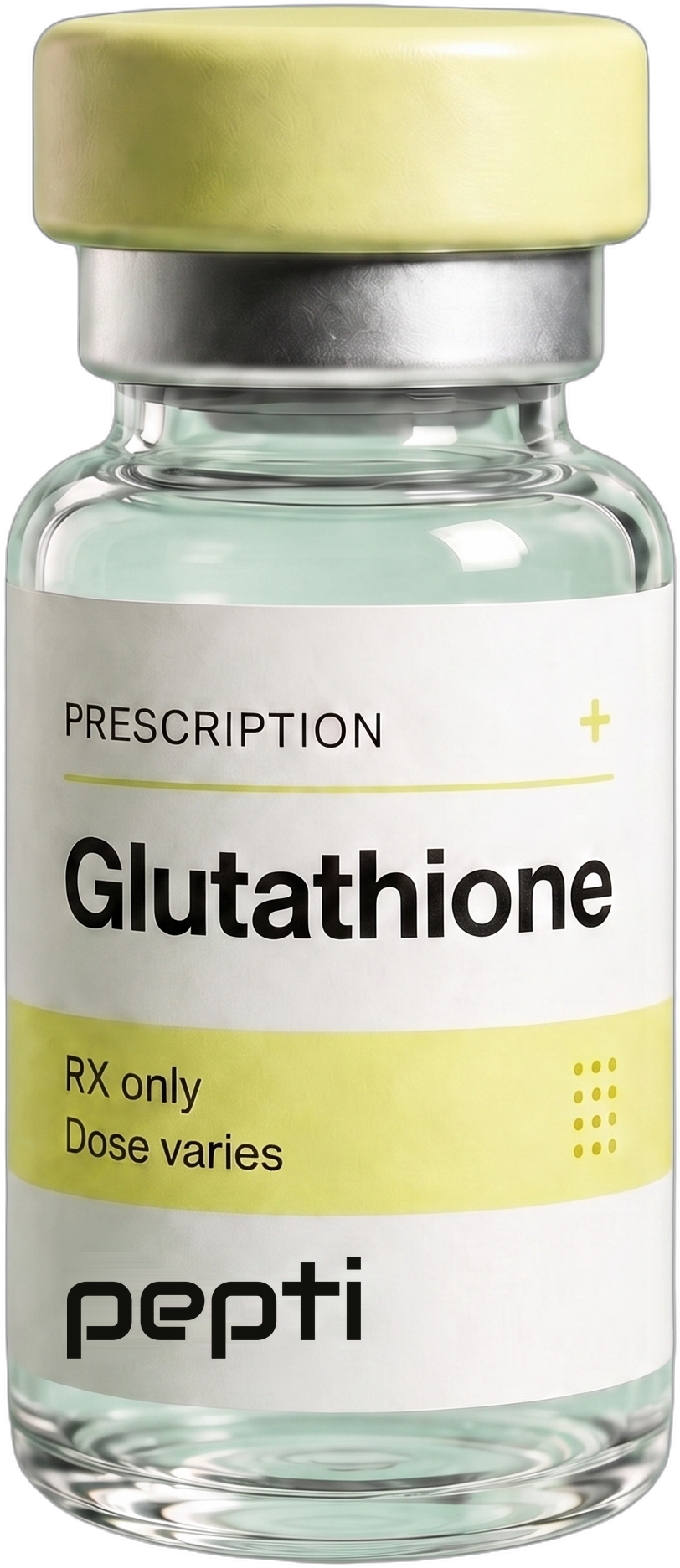
Starting a new peptide protocol can feel daunting, especially if you're not familiar with what to expect. If you've recently begun a regimen with N-Acetyl-L-Cysteine (NAC), this guide will help you navigate your first 30 days. NAC is a powerful antioxidant known for its detoxification properties and support for respiratory health. Understanding how it works and what to expect can enhance your experience and help you maximize its benefits.
Week 1: Getting Acquainted
In the first week, your body is adjusting to the introduction of NAC. Here’s what you might experience:
- Initial Reactions: Some people notice mild gastrointestinal discomfort, such as bloating or nausea. This is generally transient as your body adapts.
- Increased Energy: NAC may help boost cellular energy levels, leading to feelings of increased vigor throughout the day.
- Slight Changes in Mood: Some users report improvements in mood and reduction in anxiety, thanks to NAC’s neuroprotective effects.
Bloodwork Matters
To ensure safety and efficacy, it’s a great idea to have baseline bloodwork done before starting your NAC protocol. Monitoring your hormone levels and metabolic markers can help tailor your treatment for optimal results. [pepti] offers convenient blood testing options that you can access easily. Knowing where you stand health-wise provides a better roadmap for your journey.
Week 2: Noticing Changes
By week two, many users begin to notice the cumulative effects of NAC:
- Improved Respiratory Function: If you have any respiratory issues, you might find breathing feels easier. NAC helps thin mucus and support lung health.
- Enhanced Detoxification: NAC supports liver function by replenishing glutathione levels, which may result in feeling more energetic and less fatigued.
- Antioxidant Effects: The antioxidant properties may help reduce oxidative stress, which can lead to improved overall health.
Week 3: Assessing Benefits
As you enter the third week, consider taking note of any significant changes:
- Mental Clarity: Users often report increased mental clarity and improved focus. This cognitive benefit can help you feel more productive.
- Reduction in Inflammation: NAC has anti-inflammatory properties that may help reduce chronic inflammation, leading to a more comfortable and agile experience in your daily activities.
- Mood Stabilization: Many users report a stabilization of mood, with fewer anxiety spikes, thanks to the neurotransmitter regulation that NAC supports.
Continue Monitoring Your Progress
Don’t forget the importance of following up with bloodwork after the initial month. Regular blood testing helps track your progress and adjusts your protocol as needed. [pepti] provides various testing options tailored to your unique needs, from hormone levels to metabolic markers.
Week 4: Reflecting on Your Journey
Entering the final week of your first month on NAC, it’s time to evaluate your journey:
- Review Your Health Goals: Are you meeting your intended goals? Whether it’s improved energy, better respiratory health, or enhanced mood, reflecting on these changes is crucial.
- Consult with Your Physician: A follow-up appointment to discuss your progress can help keep your treatment on track. If needed, adjustments can be made based on your experiences and blood test results.
- Stay Consistent: Continue taking NAC as prescribed, and maintain a balanced diet, hydration, and regular exercise to maximize its benefits.
Frequently asked questions
What is N-Acetyl-L-Cysteine (NAC) used for?
NAC is primarily used for its antioxidant properties, supporting detoxification in the liver, and aiding respiratory health. It helps thin mucus and has also been studied for its potential mental health benefits.
How long does it take to see results from NAC?
Many users begin noticing benefits within the first few weeks, but optimal effects can take longer depending on individual health factors, diet, and lifestyle. Regular monitoring is essential to track your progress.
Is NAC safe to take long-term?
NAC is generally considered safe for long-term use when taken as directed. However, it’s crucial to consult your physician for personalized advice, especially if you have underlying health conditions or are taking other medications.
For those just beginning their peptide journey, understanding what to expect can make a significant difference. If you're ready to take the next step in your health journey, consider taking our free assessment at pepti assessment to explore your options with personalized peptide therapy.

