Why Bloodwork Is the Foundation of Precision Health
You might think of blood tests as routine checkups or just prerequisite paperwork for new therapies. But the truth is, your blood is a living snapshot: tracking your hormones, metabolic health, and nutrient balance is the only way to know how your body is actually functioning — and how to support it for optimal results.
At [pepti], doctor-prescribed peptide and hormone therapies are always paired with physician-reviewed blood testing. This provides safer, more effective, and truly personalized care. Let’s break down what your bloodwork reveals and how it can guide decisions on longevity, skin, metabolism, and more.
Hormones: The Conductors of Wellness
Hormones act as your body’s master messaging system — controlling energy, mood, weight, immunity, sleep, and even how fast you age. When you test your hormone levels, you’re checking in with every major system in your body. Here’s what bloodwork can show:
- Sex hormones: Testosterone, estrogen, and others shape vitality, libido, and body composition.
- Growth factors: IGF-1 (from GH axis peptides like CJC-1295 / Ipamorelin) reflects how well your body is primed for repair and recovery.
- Thyroid hormones: Control metabolism, temperature regulation, and energy.
- Stress and sleep hormones: Cortisol, melatonin, and others impact inflammation, sleep quality, and resilience.
Why it matters:
- Baseline hormone tests personalize peptide/hormone therapy and guard against unwanted side effects.
- Follow-up bloodwork detects improvements and lets your physician dial in dosing for ongoing health optimization.
- Some peptides, like Epithalon, aim to support healthy aging and cellular function — but only targeted use, guided by biomarkers, delivers maximum benefit.
Metabolic Markers: The Hidden Drivers of Energy & Fat Loss
Ever feel like your energy, weight, or mental clarity don’t match your effort? The answer is often buried in your metabolic markers. Blood tests can reveal:
- Blood sugar/insulin: Glucose, A1c, insulin, and related markers predict energy, weight gain, and diabetes risk.
- Cholesterol/lipids: These impact cardiovascular health and how your body burns or stores fat.
- Inflammatory markers (CRP, ferritin): Reveal chronic stress, hidden inflammation, or recovery needs.
Peptide insight:
- Weight-loss peptides like Semaglutide and Tirzepatide directly interact with blood sugar, insulin, and fat metabolism. Baseline and ongoing blood testing are critical for safe, effective treatment — and for tracking meaningful progress.
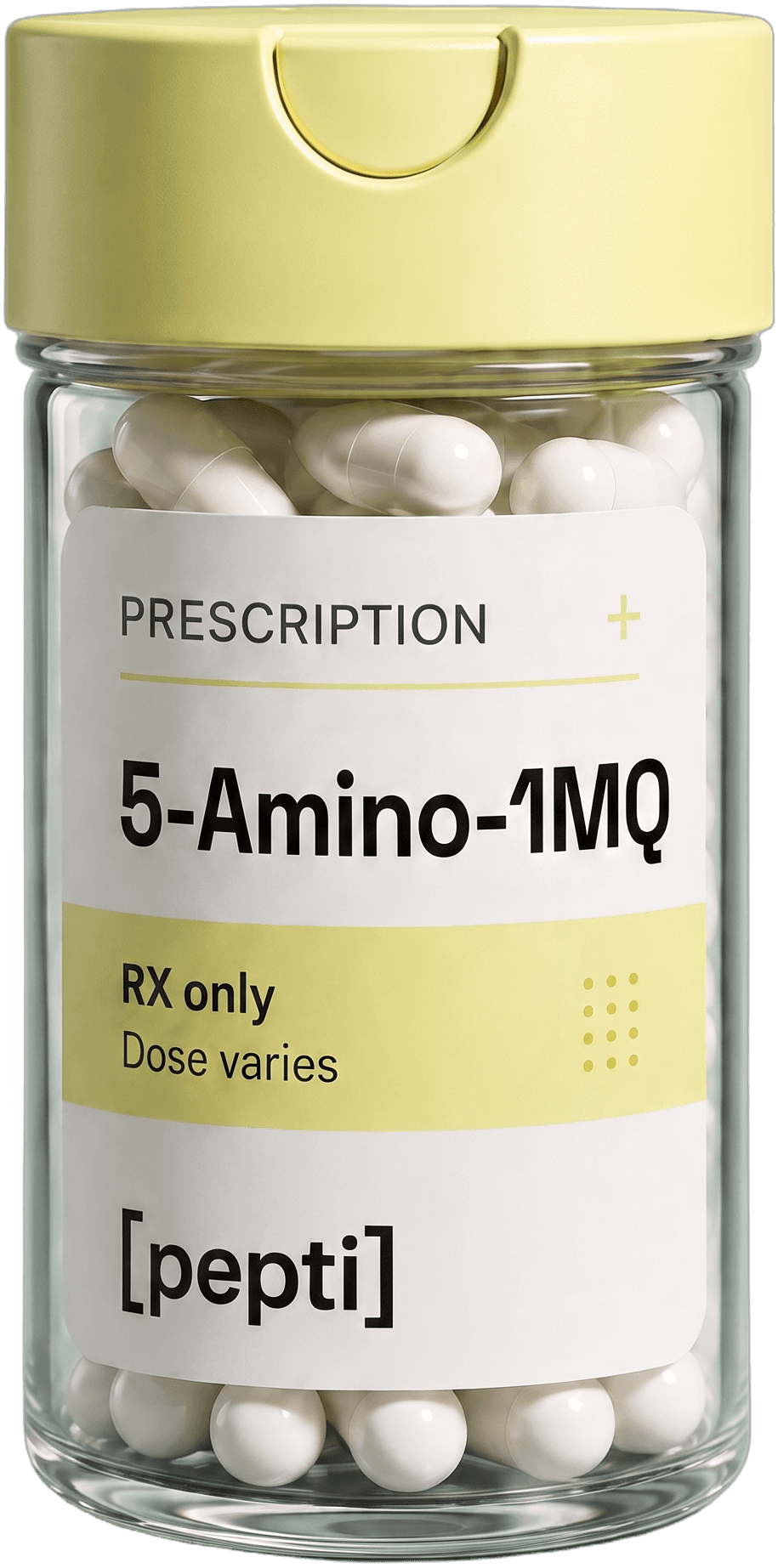
- Metabolic peptides such as 5-Amino-1MQ may help support healthy weight or muscle preservation, but results are only clear when you monitor key metabolic indicators.
Nutrient Status: The Building Blocks of Life
Even with a "healthy" diet, nutrient gaps sneak up and sabotage energy, immune function, healing, and appearance. Blood panels measure:
- Vitamins: B12, D3, folate, biotin, and more support mood, nerve health, cognition, and skin.
- Minerals & trace elements: Zinc, magnesium, selenium, and others are essential for hormone balance, mitochondrial function, immune defense, and antioxidant capacity.
- Antioxidants: Glutathione, alpha-lipoic acid, and coenzyme Q10 levels are directly linked to detoxification, aging, and recovery.
Did you know?
- Vita Complex and Glutathione injections can specifically target deficiencies, but their true impact is measurable only through periodic bloodwork.
- Optimizing nutrient status isn’t just about “topping up” — it’s about personalized dosing, minimizing side effects, and focusing on what your body actually needs.
The Longevity & Skin Connection: Peptides and Biomarkers
Blood tests aren’t just about finding problems — they’re your map to next-level health. For example, the GHK-Cu + Epithalon Injectable blend is designed to support skin repair and longevity. But how do you know if it’s working?
- Telomere length: While not part of standard panels, telomere markers (and related factors) are gaining attention for tracking biological age.
- Collagen, elastin, and antioxidant markers: Improvements in these may reflect the cellular renewal and anti-aging effects targeted by GHK-Cu and Epithalon.
- Measuring progress: Follow-up panels let you see improvements in skin biomarkers, oxidative stress, or nutrient status — taking the guesswork out of therapy.
Regular bloodwork also helps your [pepti] physician catch emerging issues, adapt your protocol, and demonstrate real progress over time. See the full biomarkers we test for a sense of how deep the insights go.
Why Baseline & Follow-up Blood Testing Matter
Here’s how the process works:
- Step 1: You complete a blood test — using a convenient at-home kit or in-lab draw, depending on your needs.
- Step 2: Your [pepti] physician reviews the results, recommends the peptide or hormone protocol that matches your unique biology, and sets a safe starting dose.
- Step 3: After 3-6 months, retesting ensures you’re on track — adjusting your plan if needed for optimal results, safety, and continued progress.
No matter your goal — healthy aging, weight loss, athletic recovery, skin optimization, or hormone balance — precision bloodwork is the key to unlocking next-level results.
Frequently asked questions
How often should I get bloodwork while on peptide or hormone therapy?
Most [pepti] patients will have a baseline panel before starting therapy and then repeat it every 3-6 months. This periodic monitoring ensures safety, tracks measurable progress, and allows your doctor to personalize your protocol over time.
Which biomarkers are most important for longevity and skin?
While everyone’s plan is different, common markers include hormones (IGF-1, sex hormones), nutrient levels (B12, vitamin D, zinc), metabolic indicators (glucose, insulin), and oxidative stress/antioxidant markers. For longevity-focused blends like GHK-Cu + Epithalon, tracking skin health and cellular repair markers is especially useful.
Can I use my existing bloodwork, or do I need a new test through pepti?
If you have recent, comprehensive labs (from the past 2-3 months), our physicians can often review and use them. However, for best results, [pepti] offers easy at-home and in-lab blood testing kits specifically designed for peptide and hormone protocols — with a free standard panel included for many patients.
Ready to get started? Take our free assessment at pepti.com/assessment to see which therapies and panels are right for you.