Why Blood Tests Are the Foundation of Personalized Health
Ever wondered what’s happening beneath the surface of your skin? Your blood holds the answers. Whether you’re optimizing hormones, tweaking your metabolic health, or dialing in nutrient support, a comprehensive blood test is the first step toward a smarter, safer, and more effective wellness plan. At [pepti], physician-reviewed blood testing (both at-home and in-lab) is a cornerstone of every peptide and hormone protocol—your data is the map, and your doctor is the guide.
Why does baseline bloodwork matter?
- Establishes your unique starting point before therapy
- Reveals hidden imbalances or deficiencies
- Guides precise and safe medication dosing
- Tracks real progress with follow-ups
See blood testing options and the biomarkers we test
Hormones: Tracking the Body’s Messengers
Hormones orchestrate everything from your energy and mood to skin quality, metabolism, and sexual health. A high-quality hormone panel typically looks at:
- Sex hormones: Testosterone, estradiol, progesterone
- Stress markers: Cortisol, DHEA
- Thyroid hormones: TSH, free T3, free T4
- Reproductive hormones: LH, FSH, prolactin
Interpreting Key Results
Low testosterone can mean fatigue, low libido, and poor muscle tone. Conversely, high estrogen in men may cause weight gain or mood swings. Postmenopausal women or those with irregular cycles may uncover low estradiol or progesterone levels, impacting sleep, skin, and bone health.
Peptide and hormone options:
- Testosterone Cypionate for men and Testosterone for Women for female patients
- Bi-Est Cream, Bioidentical Progesterone, and Estradiol for restoring hormonal balance in women
If your panel picks up signs of disrupted hormone signaling, your doctor can adjust therapy for better results—and minimize side effects.
Metabolic Health: Beyond the Scale
You may see "metabolic health" and immediately think of weight, but it’s about much more:
- Fasting glucose, insulin, and HbA1c: Reveal risk for prediabetes or diabetes
- Lipid panel: LDL, HDL, triglycerides for heart health
- Liver and kidney markers: AST, ALT, creatinine, BUN—ensure safe medication use
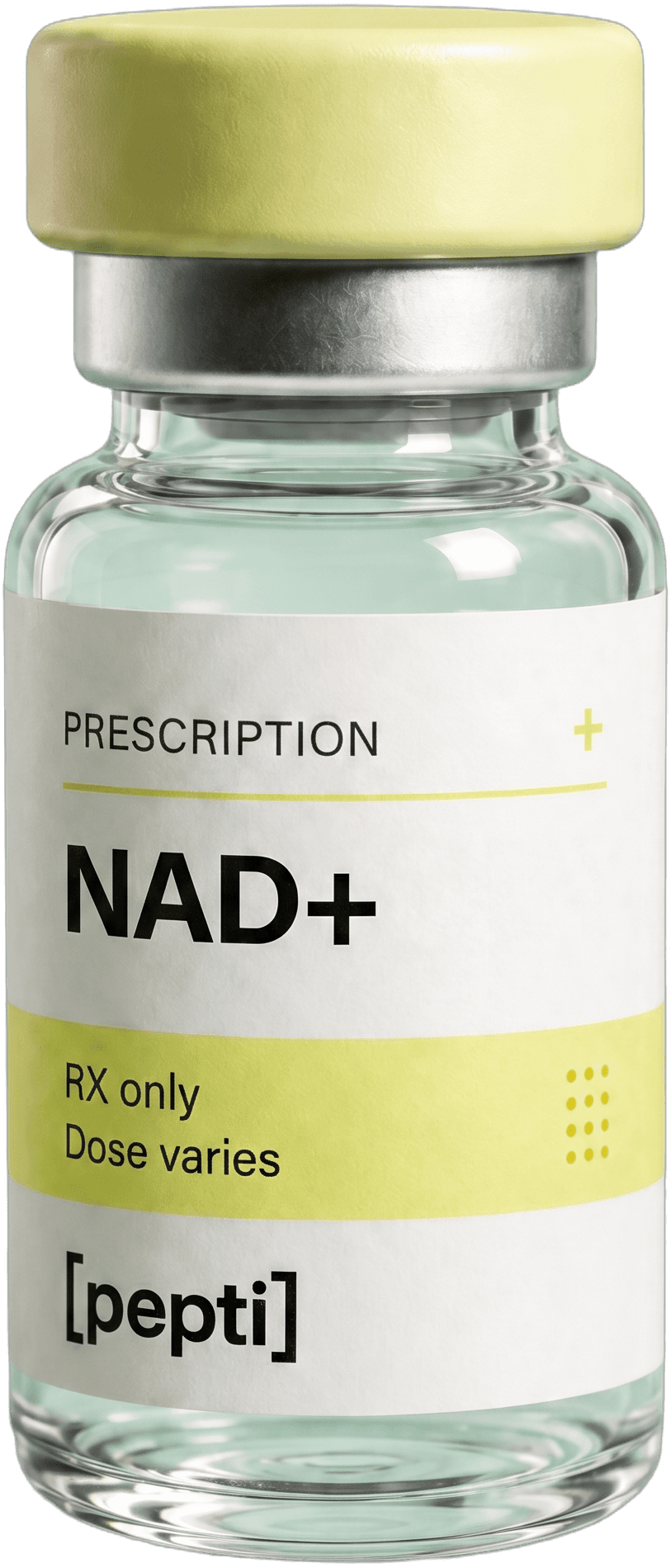
If your bloodwork shows insulin resistance or elevated triglycerides, your care team might suggest agents like Semaglutide or Tirzepatide, both proven GLP-1-based therapies for improving metabolic profiles and supporting weight management. For those focused on cellular energy and metabolism, NAD+ Injection can help optimize how your body generates energy at the cellular level.
Nutrient Status: The Missing Link in Longevity & Skin Health
Even the healthiest diets sometimes miss the mark. Nutrient panels can identify silent deficits in key vitamins and minerals:
- Vitamin D3: Low levels common, tied to mood, immunity, bone health
- B12, folate, B-complex: Needed for cognition, red blood cell health, energy
- Zinc, selenium, magnesium: Support hormone production, muscle, and nerve function
- Copper & trace minerals: Essential for collagen, elastin, and skin repair
Why does this matter for skin & anti-aging? For example, optimal copper levels are critical for activating the GHK-Cu peptide—whether you’re using GHK-Cu Topical Cream for firmer, smoother skin, or GHK-Cu Capsules for systemic support. Baseline micronutrient testing ensures you’ll get the most out of your peptide regimen.
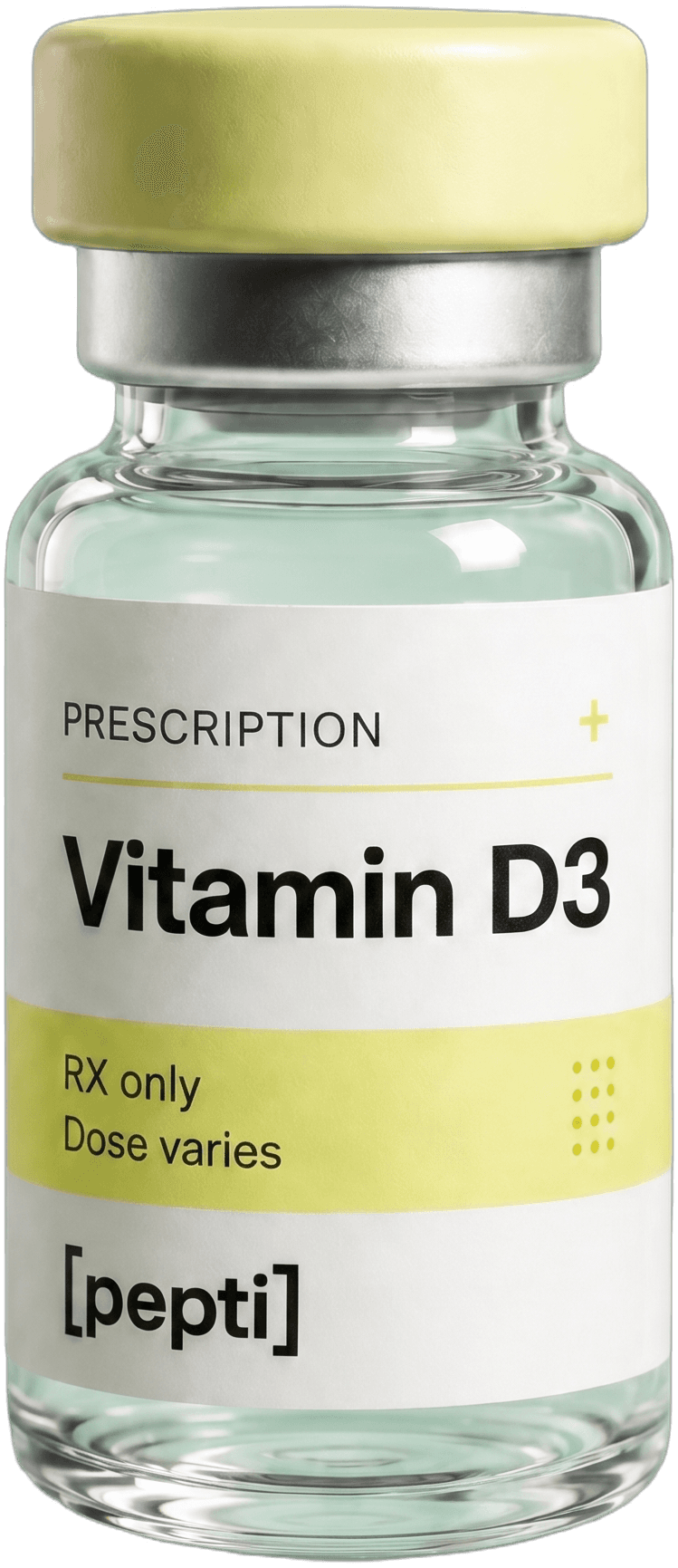
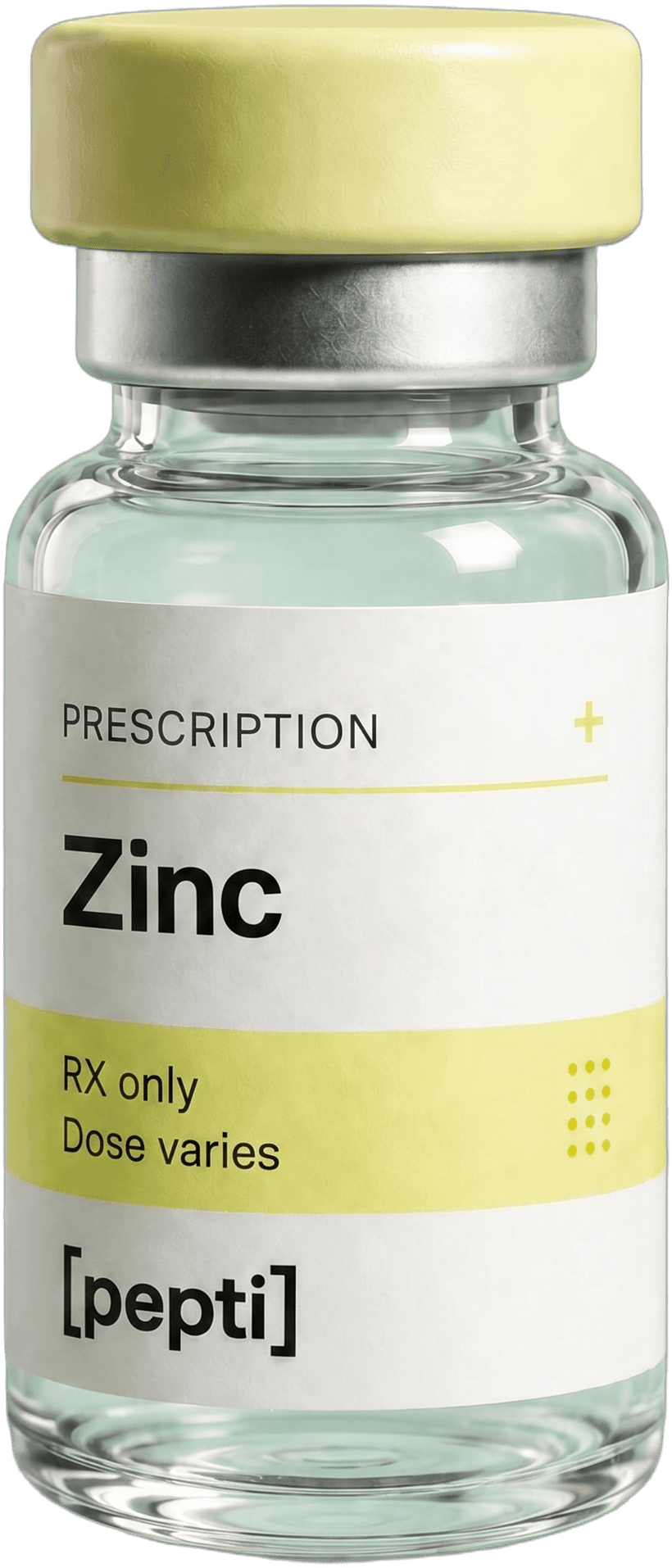
Pro tip: Deficiencies in B12, vitamin D, or minerals like zinc aren’t always obvious. With data in hand, your doctor can personalize supplement or injectable support—like Vitamin D3 Injection or Zinc Injection—to meet your unique needs.
The Power of Follow-up Testing
Bloodwork isn’t a one-and-done. After starting any peptide or hormone protocol, follow-up labs are vital to:
- Monitor therapy effectiveness and safety
- Detect early side effects or overcorrection
- Guide precise dose adjustments
- Show improvements in biomarkers—making your progress visible
Example: On Testosterone Cypionate? You’ll want to see not just testosterone, but also estradiol and hematocrit. Starting Semaglutide? Tracking A1c and lipids shows metabolic shifts over time.
Pepti includes a standard panel for free when your doctor requires it, making it easy to keep tabs on your journey.
How to Get Started
- Take a free assessment at [pepti] to see which panels and therapies may fit your goals
- Choose between at-home collection kits or in-lab draws for your bloodwork
- Receive a doctor-reviewed plan, tailored to your sex, age, history, and results
- Retest at recommended intervals to optimize therapy and celebrate your progress
See blood testing options and the biomarkers we test.
Frequently asked questions
How often should I get blood tests when using peptides or hormone therapy?
Most protocols recommend baseline testing, then retesting at 8-12 week intervals. Your doctor may adjust frequency based on your goals, health status, and which therapies you’re using.
Can I do my bloodwork at home, or do I need to go to a lab?
[Pepti] offers both options! At-home kits are convenient and simple for most panels, while some advanced markers may require a quick lab visit. Your doctor will guide you to the right option.
What if my blood test reveals a deficiency or unexpected result?
Your provider will review all results with you and recommend targeted follow-up care—like specific nutrients, adjusted peptide doses, or additional testing—to get you back on track safely.
Ready to take control of your health? Start your free personalized assessment today at [pepti]/assessment.