The Story Your Blood Test Tells About Your Health
Ever wonder what your blood test is really saying about your body? Whether you’re investigating unexplained fatigue, tracking progress on a weight loss journey, or dialing in your hormone therapy, comprehensive bloodwork is your secret decoder ring for hormones, metabolism, and nutrient status. At [pepti], we believe real results start and end with your unique data—not guesswork.
Why Bloodwork Matters: The Roadmap to Personal Peptide Therapy
Blood tests aren’t just a bureaucratic box to check. They’re your baseline—a snapshot of what’s happening under the hood, so your provider can tailor therapies (and supplements) that fit you. Here’s why baseline and follow-up labs are non-negotiable if you want optimal, safe, sustained results:
- Personalization: No two bodies are the same. Your blood reveals your hormonal balance, metabolic rate, and micronutrient reserves (or deficiencies), letting your provider create a plan built for you.
- Safety: Peptide and hormone therapies can shift internal balances—labs help spot problems early, before you feel symptoms.
- Tracking Progress: Are your interventions working? Regular labs offer proof, letting you (and your doctor) adjust as needed.
Explore pepti blood testing and see the full list of biomarkers we test.
Key Areas Your Blood Test Illuminates
1. Hormonal Health
Hormones work behind the scenes to regulate energy, mood, weight, libido, and so much more. Common hormone markers include:
- Thyroid Hormones: TSH, Free T3, Free T4—flagging hypothyroidism or hyperthyroidism.
- Sex Hormones: Testosterone, Estradiol, Progesterone—crucial for both men and women.
- Growth Hormone Pathways: IGF-1, a key downstream marker for therapies like CJC-1295 / Ipamorelin or Tesamorelin.
Imbalances here can explain symptoms like brain fog, fatigue, hair changes, stubborn weight, or changes in libido. With data in hand, your [pepti] doctor can recommend targeted therapies, from Testosterone Cypionate to bioidentical hormone blends.
2. Metabolic Health
Your metabolism is more than just how quickly you burn calories. Blood panels often assess:
- Glucose & Insulin: Fasting glucose, HbA1c, fasting insulin—key for picking up early insulin resistance.
- Lipid Panel: Cholesterol, LDL, HDL, triglycerides—essential for cardiovascular risk.
- Liver & Kidney Function: Ensures safe use of metabolic or hormone-modifying agents.
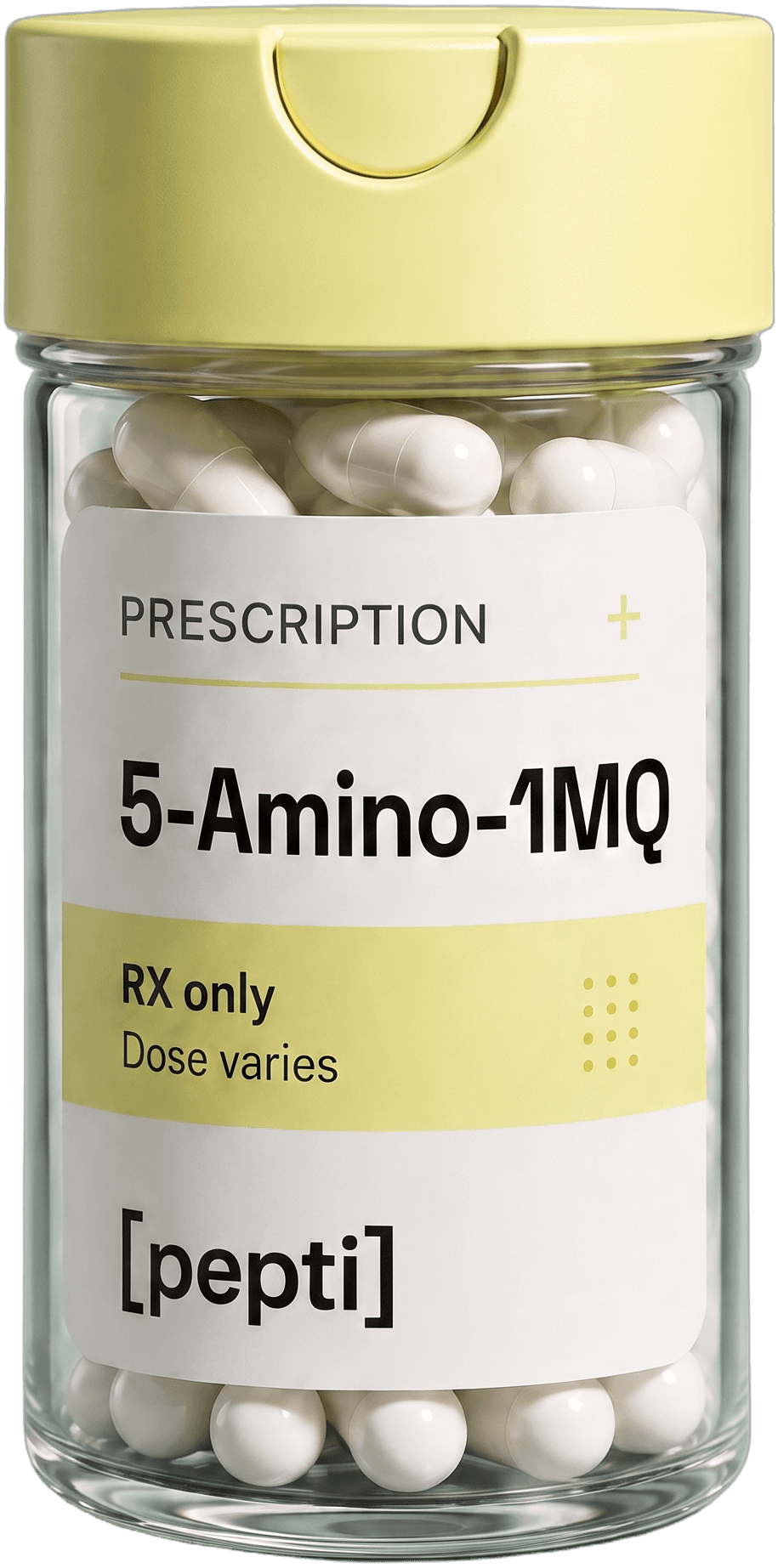
Metabolic markers help determine if you’ll benefit most from therapies like Semaglutide, Tirzepatide, or 5-Amino-1MQ, and can track improvements in real time.
3. Nutrient & Trace Mineral Status
Even if you eat well, hidden nutrient gaps are common—and can sabotage energy, immunity, and performance. Here’s what labs can check:
- Vitamins: B12, D3, folate, sometimes even B5, B6, or biotin.
- Minerals: Magnesium, zinc, selenium, copper, iron.
- Antioxidant status: Glutathione levels, oxidative stress markers.
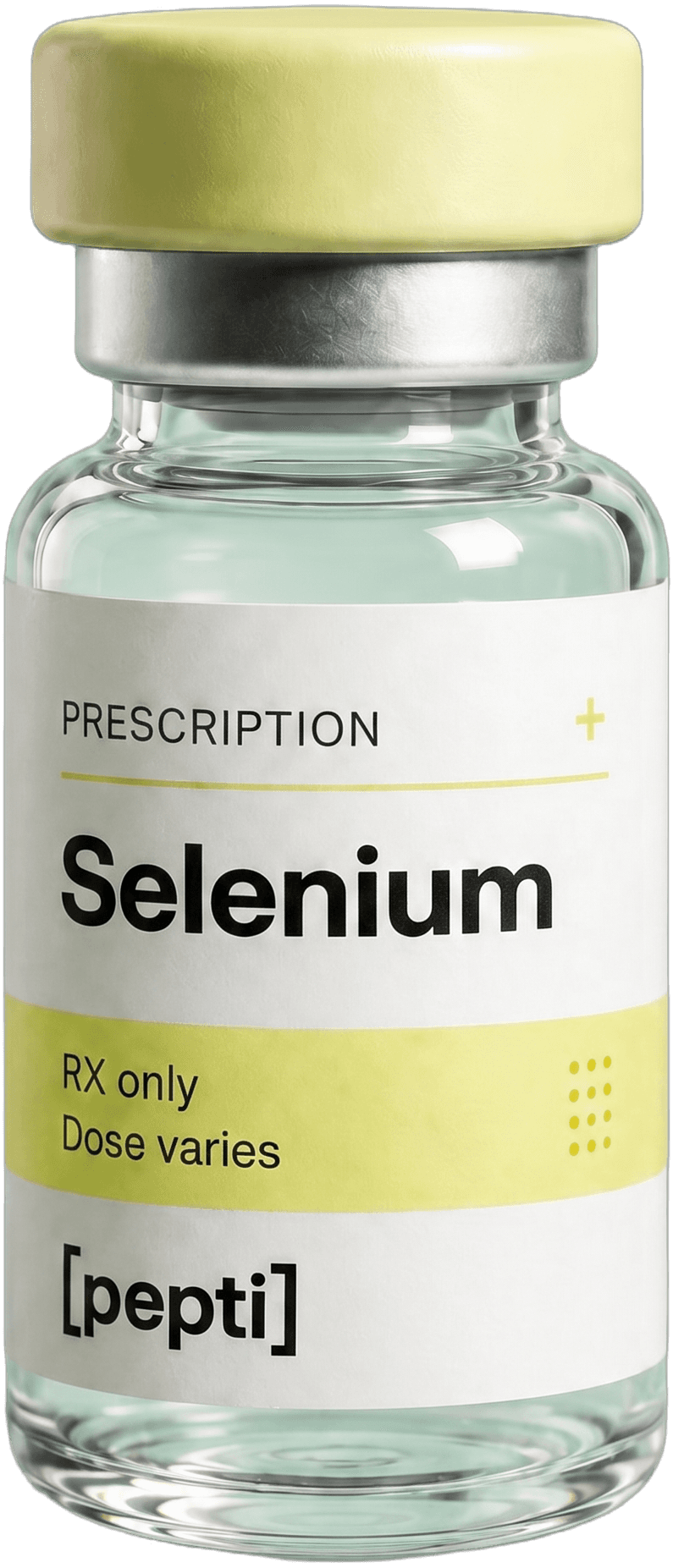
Let’s spotlight selenium—a trace mineral vital for thyroid hormone production, antioxidant defense, and robust immunity. Blood selenium status helps guide therapy with Selenium Injection—especially useful if your thyroid labs or general energy are lagging, or you have risk factors for low selenium like restrictive diets or certain health conditions. If your labs flag a deficiency, injectable selenium bypasses absorption obstacles, restoring your reserves fast.
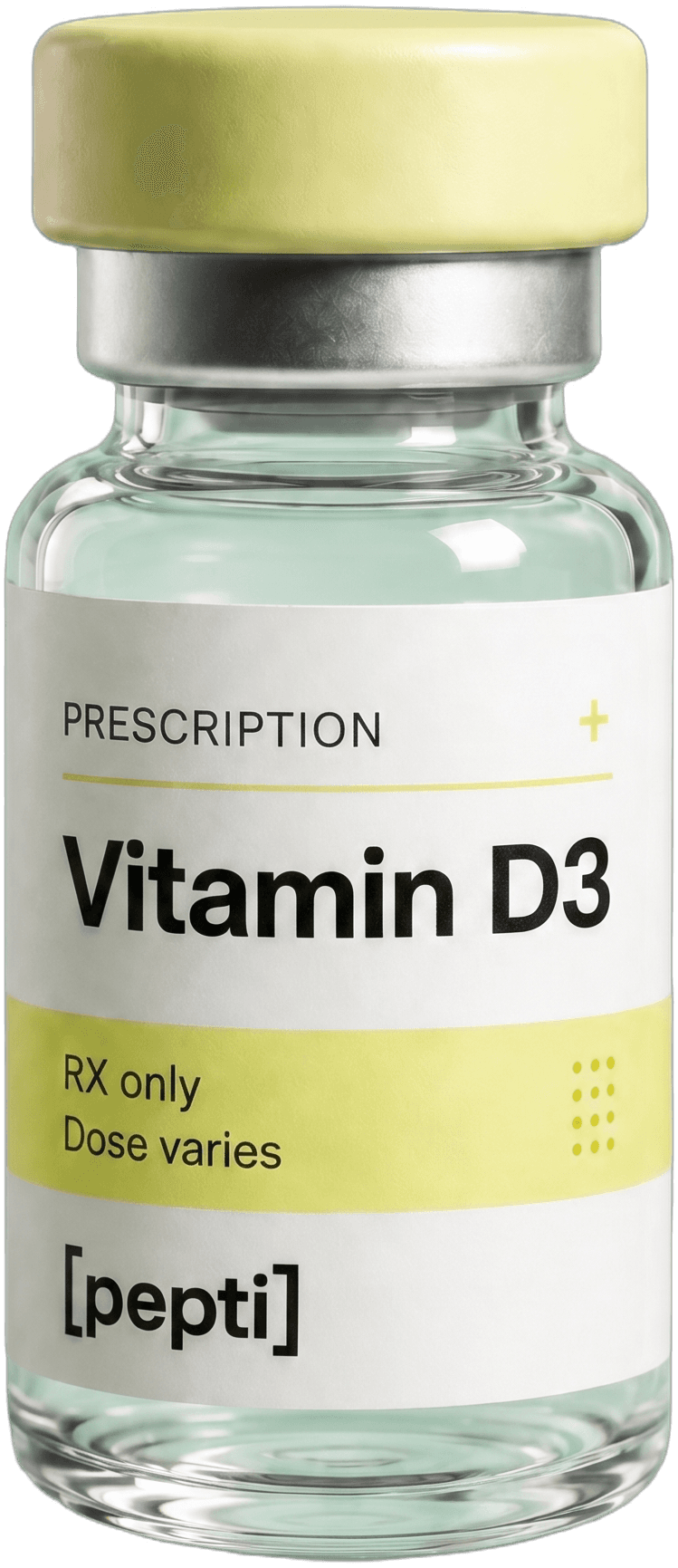
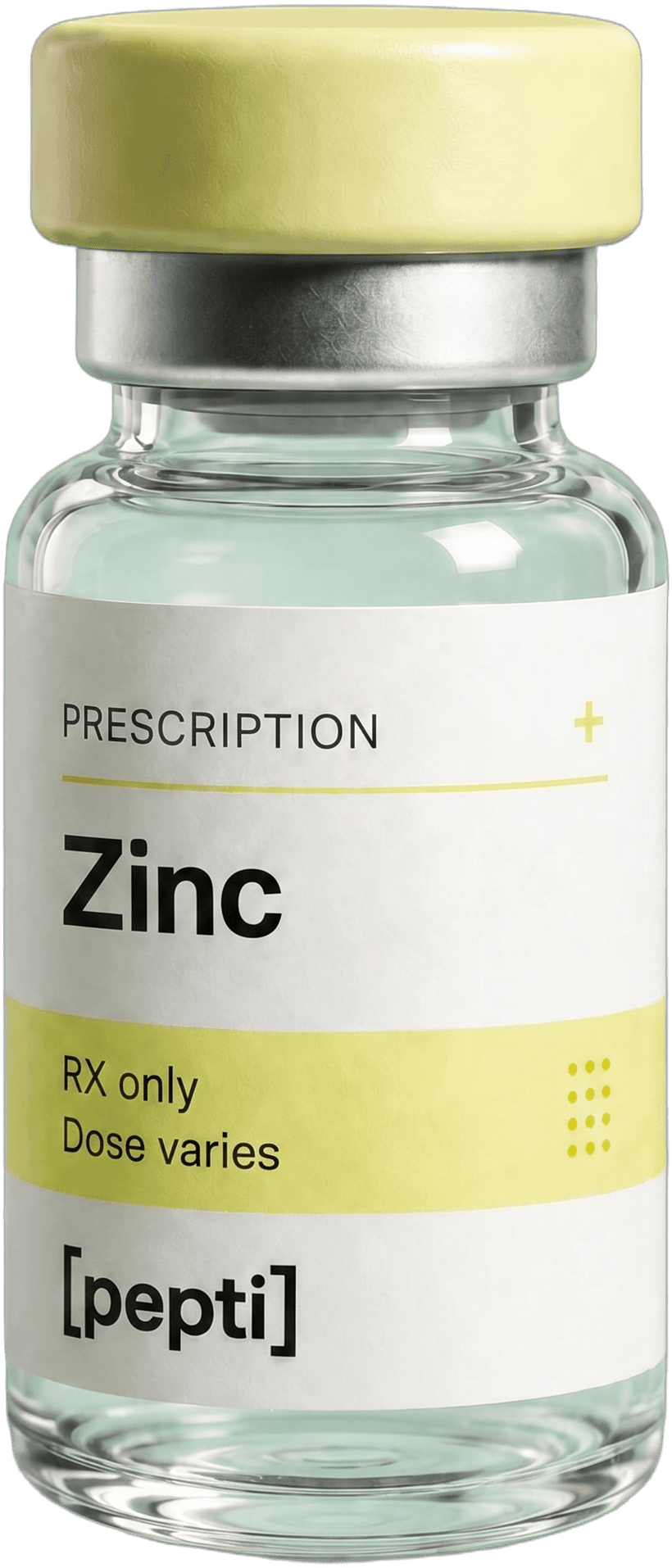
Other injectable nutrients—like Vitamin D3 Injection, Glutathione, and Zinc Injection—can also be titrated based on your numbers, not just symptoms.
What To Expect From Your Blood Test With Pepti
- Comprehensive Panels: Our at-home kits or in-lab draws cover hormone, metabolic, thyroid, and nutrient markers. See what we test here.
- Physician Review: Every panel is reviewed by a provider experienced in peptide, hormone, and nutrient therapies.
- Ongoing Tracking: Need a follow-up? Many protocols include free or discounted repeat labs to keep your treatment precise.
If starting a therapy like Semaglutide for weight loss, or Testosterone Cypionate for hormone optimization, your labs inform everything: dosing, duration, and whether you might need add-ons (think: zinc, D3, or selenium) for full effect.
Pro tip: Baseline and follow-up bloodwork is the difference between guessing—and knowing.
When Should You Re-Test?
- Baseline: Always test before starting therapy.
- Follow-up: Usually at 8-12 weeks, then every 4-6 months for most protocols, but it’s personalized to you.
- Anytime Your Symptoms Shift: If you feel off, a quick panel can pinpoint why.
Frequently asked questions
What’s the difference between at-home and in-lab blood testing?
Both options deliver clinically valid results. At-home kits let you collect a finger-prick sample or small blood draw with a trained mobile phlebotomist, while in-lab draws allow for broader panels if needed. Pepti offers both for maximum convenience.
Why do I need repeat (follow-up) bloodwork after starting peptides or hormone therapy?
Because your body changes! Repeat labs check how well therapy is working and make sure you’re not developing deficiencies, excesses, or side effects. This helps your doctor fine-tune your protocol for optimal results and safety.
Which symptoms suggest I should get my nutrient or thyroid levels checked?
Persistent fatigue, brain fog, sluggish metabolism, hair loss, and low mood are classic signs. If these sound familiar, a comprehensive blood panel can help uncover the underlying issue so you can address it directly, not just treat symptoms.
Ready to decode your health story and get a plan built for you? Take your free assessment at pepti and see if comprehensive blood testing and tailored peptide therapy are right for you.