Why Blood Tests Are the Foundation of Modern Wellness
You can’t optimize what you don’t measure. Whether you're considering peptide therapy, hormone support, weight management, or simply want to know where you stand, a comprehensive blood test is the most insightful snapshot of your internal health. At [pepti], every personalized plan starts here: with real data, not guesswork.
What Baseline and Follow-Up Bloodwork Reveals
Hormone Levels: The Body’s Master Controllers
Your hormones regulate energy, mood, metabolism, sleep, and more. Bloodwork checks your baseline—key for safe, targeted therapies and for tracking progress over time. Some of the most important hormones and related markers include:
- Testosterone (total & free)
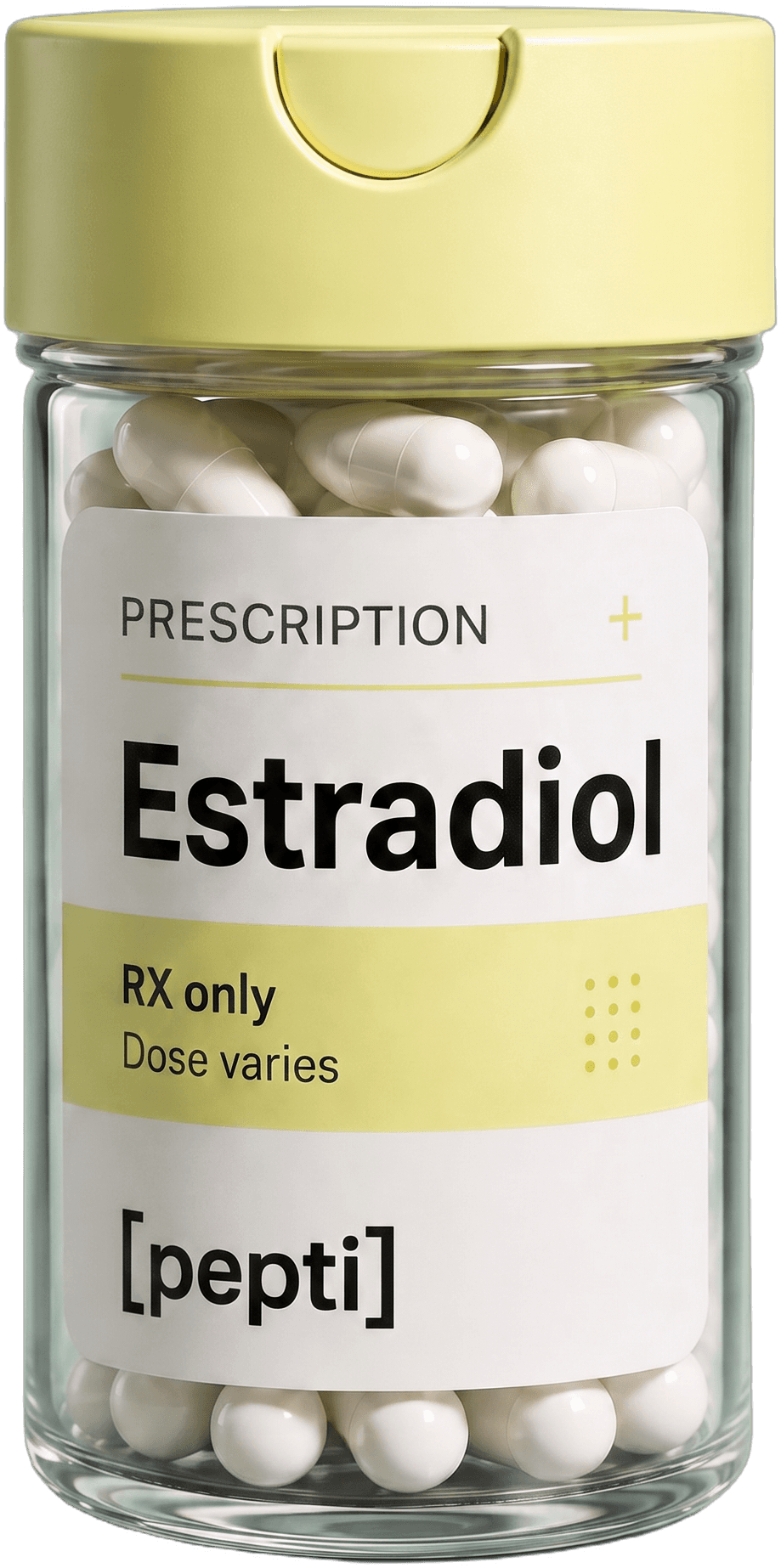
- Estradiol and other estrogens
- Progesterone
- Thyroid hormones (TSH, free T3, free T4)
- LH & FSH (fertility, cycle regulation)
- Cortisol, DHEA (stress/adrenal)
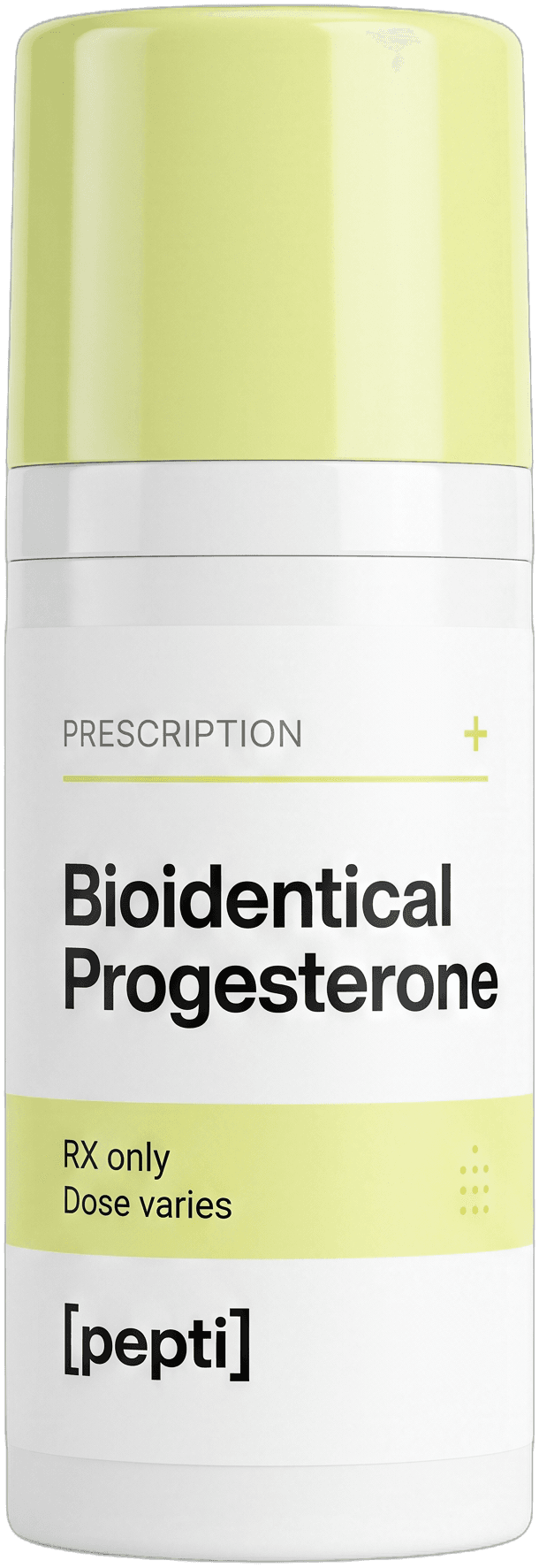
Imbalances can present as low energy, weight changes, sleep issues, skin changes, or sexual health concerns. With blood test insights, therapies like Testosterone Cypionate or Bioidentical Progesterone can be safely dialed to your unique needs.
Metabolic Health: Your Body’s Energy Engine
Metabolic markers tell the story of how your body handles fuel, repairs itself, and manages long-term disease risk. These include:
- Fasting glucose, insulin, HbA1c (blood sugar control)
- Lipid panel (cholesterol, triglycerides)
- Liver & kidney function (AST, ALT, creatinine, BUN)
- Inflammatory markers (CRP, homocysteine)
If you’re using therapies like Semaglutide or Tirzepatide for weight management, tracking these numbers pre- and post-therapy lets you see more than just pounds lost—it reveals real shifts in metabolic health.
Nutrient Status: The Unsung Heroes
Vitamin and mineral deficits can stall your progress, even if hormones are optimized. Comprehensive bloodwork checks for:
- Vitamin D, B12, folate
- Iron, ferritin
- Magnesium, calcium, zinc
- Trace minerals (selenium, copper, manganese)
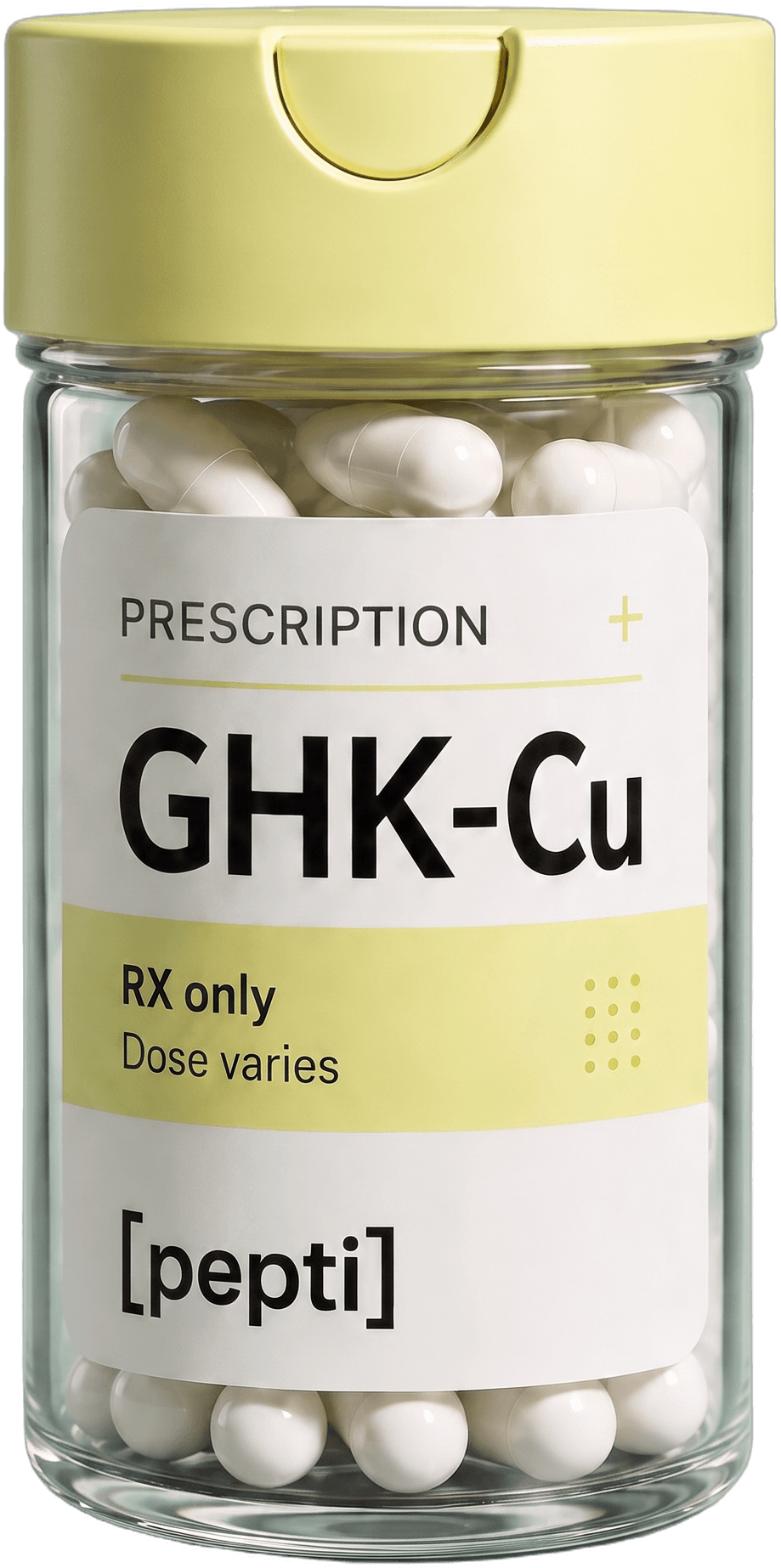
Supporting healthy nutrient levels may improve everything from skin radiance to mental sharpness. For example, GHK-Cu Capsules deliver bioavailable copper peptides, supporting both skin and systemic health—a strategy you might discuss with your pepti provider if your copper or collagen markers are suboptimal.
For a detailed look at the biomarkers we test and to explore easy blood testing options (in-lab or at-home), check our full assessment page.
The Importance of Baseline and Follow-Up Bloodwork
Think of your first blood test as your personal health “map.” Baseline testing establishes where you are before starting any therapy—crucial for:
- Safety: Catching hidden issues or contraindications
- Effectiveness: Choosing precise doses and tracking improvements
- Motivation: Visualizing progress beyond how you feel
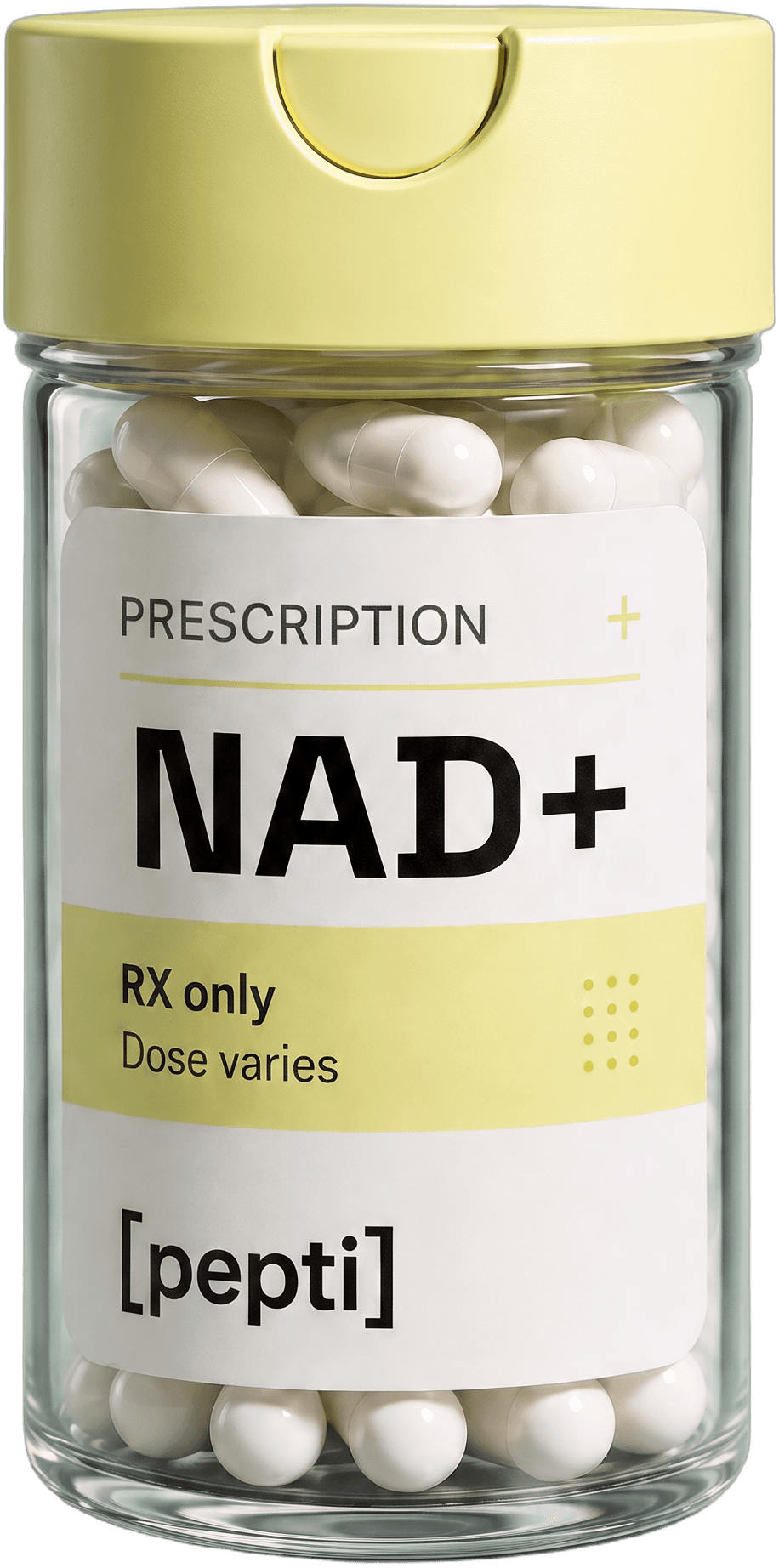
Follow-up testing (usually every 3–6 months) shows how your body responds, whether you’re adjusting NAD+ Capsules for energy, Bioidentical Progesterone for balance, or GHK-Cu Capsules for skin and recovery. It’s how you avoid “flying blind.”
Pro tip: At [pepti], a standard blood panel is always included free if your doctor requires it—making sure you get the data you need to stay on track.
What Can a Blood Test Flag?
- Low testosterone or estrogen (energy, libido, strength, mood)
- High blood sugar or A1c (weight gain, diabetes risk)
- Thyroid dysfunction (fatigue, weight, mood)
- Low iron, B12, or Vitamin D (cognition, immune, bone health)
- Systemic inflammation (slowed healing, fatigue)
With these insights, your pepti provider can recommend safe, effective therapies and supplements—sometimes a small tweak makes all the difference.
How to Get Started
- Take the free assessment at pepti.
- Choose your preferred blood testing method: in-lab or at-home collection.
- Discuss your results with a licensed provider—no guesswork, just actionable science.
- Monitor progress with regular follow-ups and adjust as you go.
Key Takeaways
- Comprehensive bloodwork is the backbone of safe, effective therapy.
- It covers hormones, metabolic, and nutrient status—three pillars of lasting wellness.
- Pepti makes testing easy, with physician-reviewed plans and built-in follow-up.
- Start strong, track changes, and unlock your best self with precision.
Link up your inner health with outer results—because data-driven therapy is smart therapy.
Frequently asked questions
How often should I repeat blood testing on peptide or hormone therapy?
Most people benefit from baseline testing and a follow-up every 3–6 months, or as advised by your pepti provider. Regular monitoring ensures you stay safe and on track as your body adapts.
Can I do blood testing at home if I’m not comfortable with labs?
Absolutely. Pepti’s blood testing includes easy at-home collection kits for most panels, so you can gather your sample in comfort and privacy. In-lab draws are available if you prefer or if your doctor requests more extensive testing.
Which therapies are matched to my blood test results?
Your therapy plan is custom—based on your unique biomarkers. For example, low copper or skin repair needs may prompt GHK-Cu Capsules. Hormone deficiencies or imbalances can be addressed with options like Testosterone Cypionate or Bioidentical Progesterone. Your provider will walk you through every option.
Ready to take the next step? Start with your free assessment at pepti.com/assessment—and unlock the data behind your best health.