Why Tracking Biomarkers Matters for Energy Seekers
Whether you’re starting peptide therapy for low energy, exploring hormone support, or looking to maximize vitality, tracking the right biomarkers is your secret weapon. At [pepti], we believe the best outcomes—especially with therapies like Tadalafil Troche or NAD+ Injection—depend on personalized, data-driven care.
Here’s why:
- Baseline bloodwork reveals your unique starting point and flags any hidden issues before you begin.
- Follow-up testing shows how your body is responding so you (and your physician) can optimize your plan for safety and results.
- Ongoing data helps you track improvements in energy, performance, and overall health.
Want more details about biomarker panels and collection methods? Explore our blood testing and see the full list of biomarkers we test.
Top Biomarkers for Energy & Performance
When you’re targeting better stamina, focus, or athletic output, consider tracking these key markers:
1. Testosterone Panel
- Total Testosterone & Free Testosterone: Low levels can sap energy for all genders.
- Sex Hormone-Binding Globulin (SHBG): Impacts how much testosterone is actually usable.
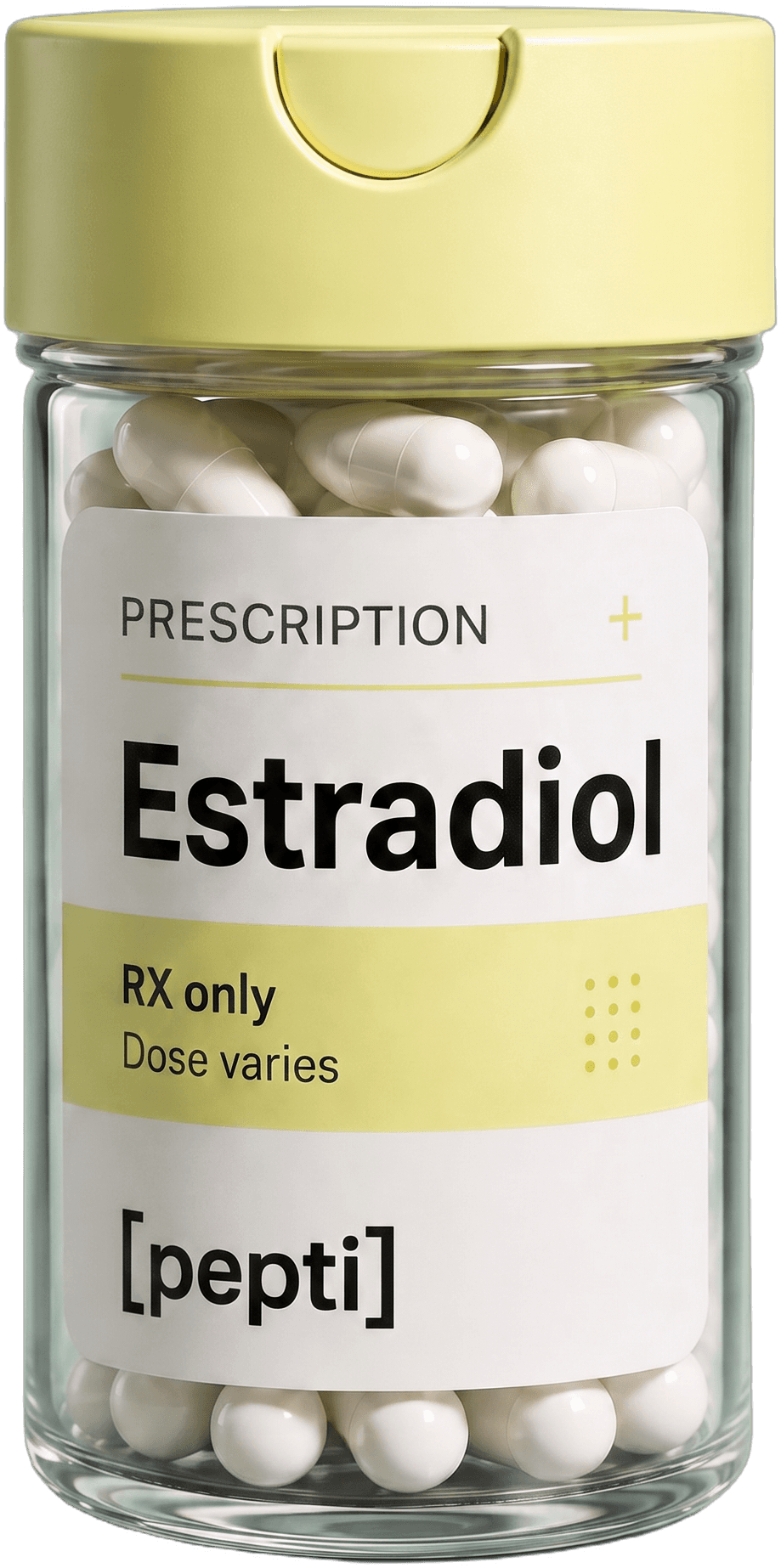
- Estradiol: Imbalances (high or low) can affect mood, stamina, and sexual health.
Who should test? Anyone using hormone therapies (like Testosterone Cypionate), low-dose testosterone for women, or considering ED support like Tadalafil Troche.
2. Metabolic & Nutrient Markers
- Hemoglobin A1c & Fasting Glucose: Rule out blood sugar issues that can cause fatigue.
- Vitamin B12 & Folate: Crucial for brain function and cellular energy.
- Ferritin & Iron Panel: Low iron or ferritin means poor oxygen delivery.
- Vitamin D: Deficiency is common and linked to low energy, mood dips, and immune challenges.
- Magnesium & CoQ10: Both support mitochondrial energy (where your cells make ATP!).
Consider Methylcobalamin (active B12), Vitamin D3 Injection, or CoQ10 Injection if your labs are low.
3. Thyroid Function
- TSH, Free T3, Free T4: Even mild thyroid imbalances can cause fatigue, weight gain, or brain fog.
- Thyroid antibodies (TPO, TG): Detects autoimmune thyroid problems.
If you have symptoms, talk to your provider about Compounded T3/T4 or Desiccated Thyroid therapy.
4. Cardiovascular Health & Circulation
- Lipid Panel (LDL, HDL, Triglycerides): Heart health impacts stamina and sexual function.
- High sensitivity CRP (hs-CRP): Marker of systemic inflammation, which drains energy.
- Homocysteine: Elevated levels relate to both vascular health and cognitive function.
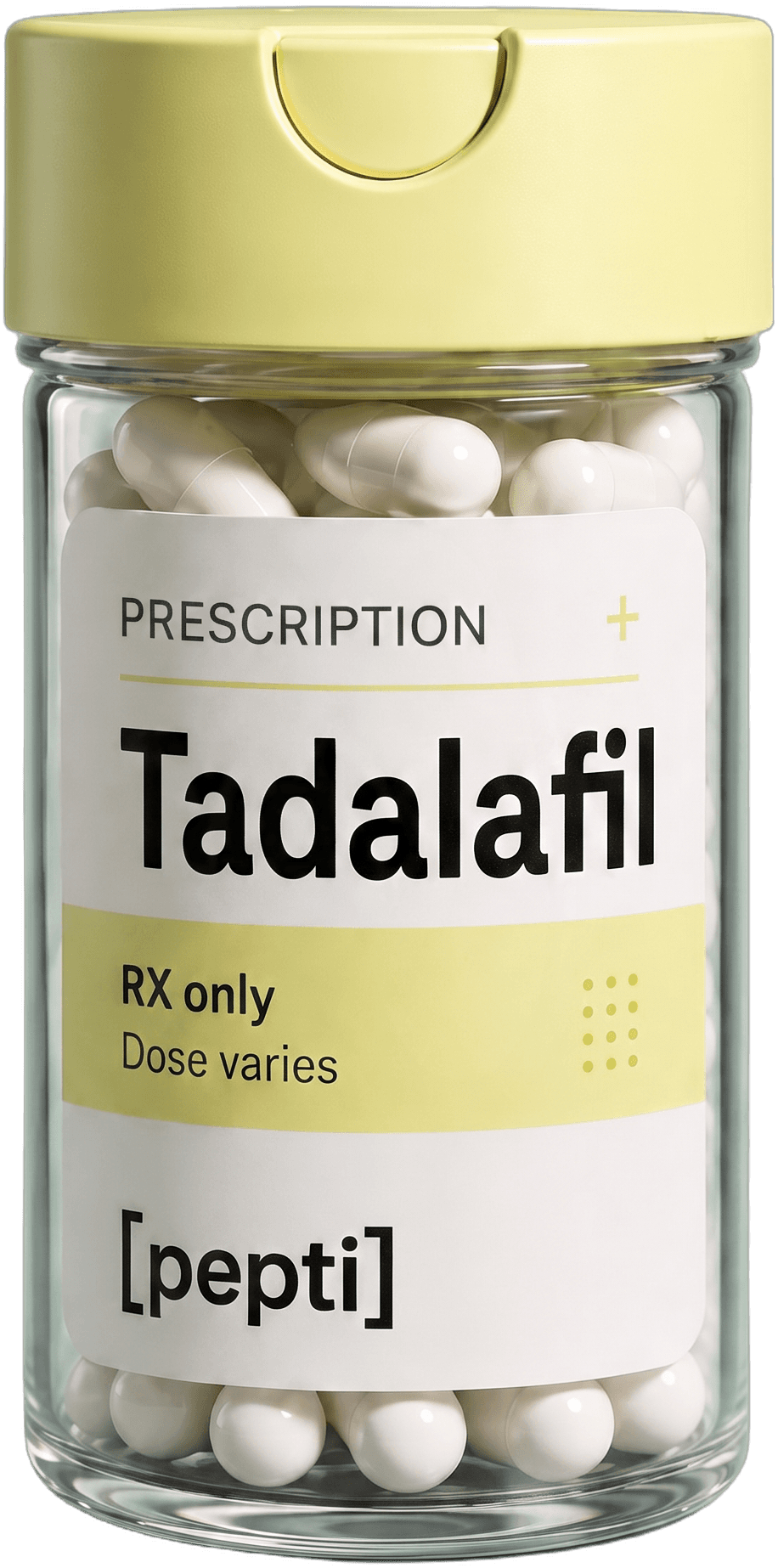
For those using Tadalafil Troche to support blood flow—not just ED—it’s smart to keep tabs on cardiovascular markers.
5. Mitochondrial & Cellular Markers
- NAD+/NADH ratio: Assesses cellular metabolism (not always available; NAD+ status can be inferred from energy symptoms and basic labs).
- Lactate & CK: Can help reveal issues with muscle recovery or unexplained fatigue.
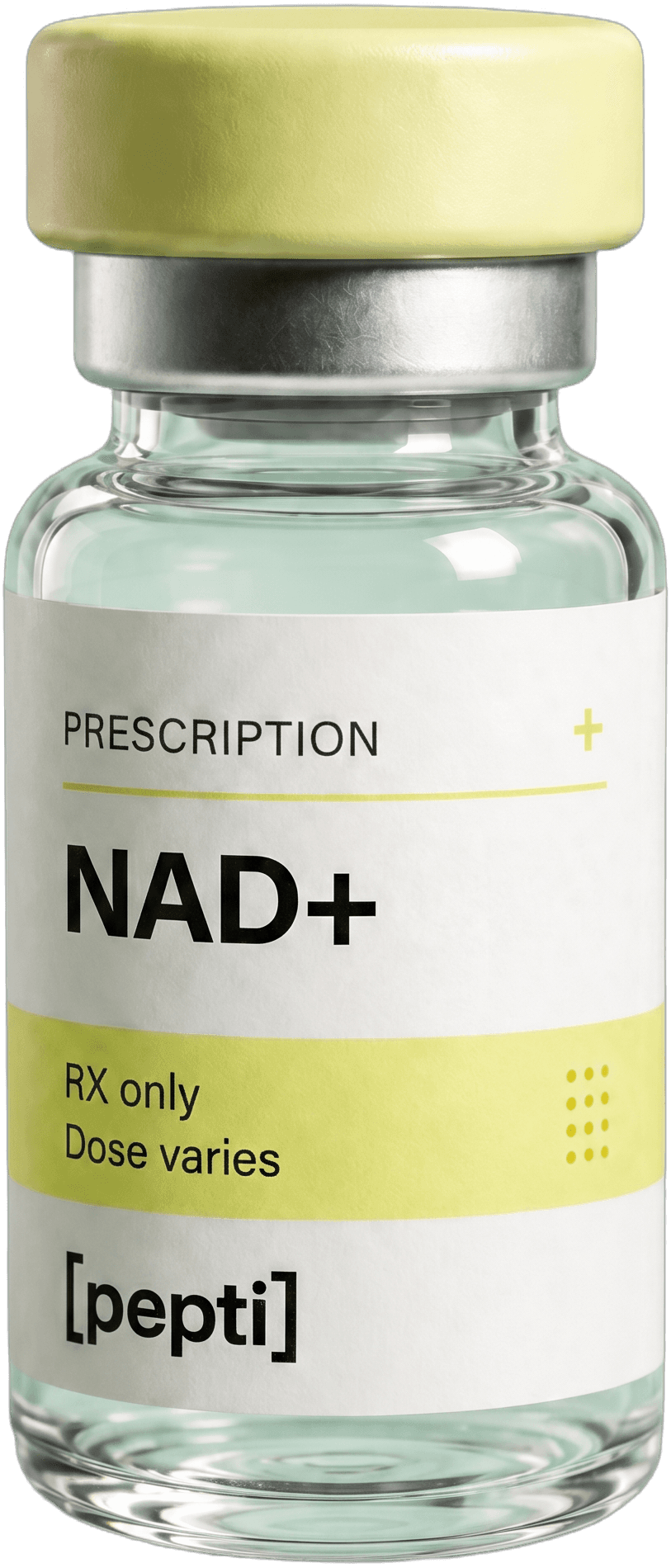
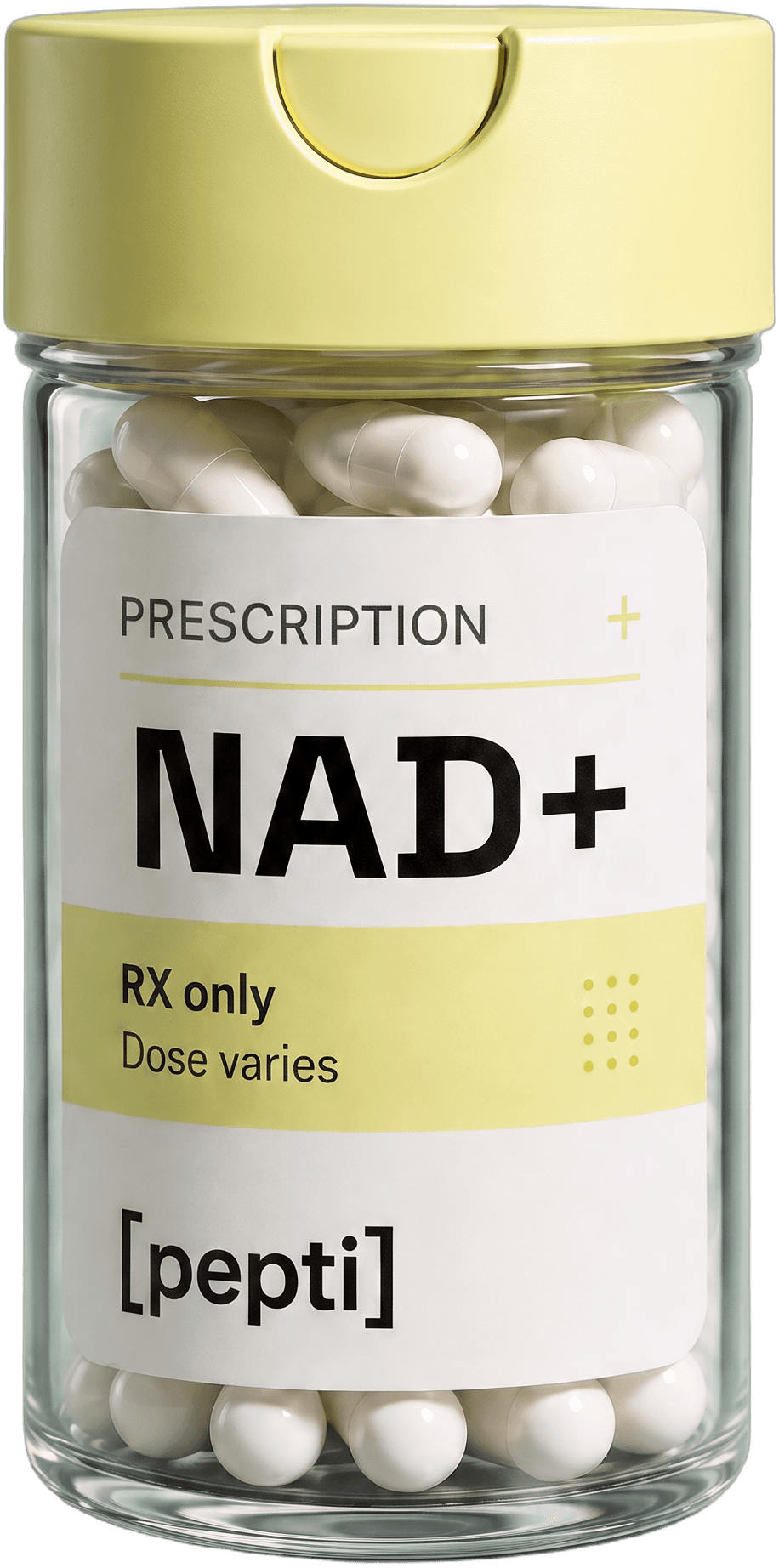
NAD+ Injection or NAD+ Capsules support mitochondrial energy and cellular repair. If you’re on these, tracking your subjective stamina, muscle soreness, and cognitive clarity also counts as valuable feedback.
How Peptide Therapy Connects to Your Biomarkers
The right peptide or hormone protocol can be transformative—but only if your base health is solid and side effects are minimized. Here’s how tracking helps:
- Tadalafil Troche boosts nitric oxide, relaxing blood vessels for better flow—not just for intimacy, but for exercise and daily energy. Baseline cardiovascular and hormone labs flag risks before starting.
- NAD+ Injection helps cellular repair and ATP production. If you’re low in B vitamins or have thyroid issues, you may not feel the full effect—so fix deficiencies first, then track improvements.
- Pairing with performance or metabolism boosters? CoQ10 Injection, Methylcobalamin, and Vitamin D3 Injection all depend on your levels: test, correct, then optimize.
Remember: More isn’t always better. Knowing your numbers means your provider can personalize dosing and spot any issues early.
Tracking Your Progress Over Time
Here’s a simple blueprint for data-driven improvement:
- Start with baseline labs (see our options) before making any changes.
- Test again 6-12 weeks after starting therapy (or as your provider recommends).
- Adjust your protocol based on real numbers and how you feel.
- Continue regular follow-ups every 3-6 months if you’re on ongoing therapy.
Many patients notice increased energy, improved stamina, or even better mood when deficiencies are corrected and protocols are optimized. But sustainable results come from tracking—not guessing.
Pro tip: Some markers (like B12, iron, and hormones) can change rapidly; others (like HbA1c or lipids) show trends over several months. Bring your questions and results to your [pepti] physician for expert guidance.
Frequently asked questions
What if my bloodwork is normal but I still feel tired?
Even with “normal” labs, suboptimal levels or imbalances can sap your energy. Your provider can help interpret patterns, look for trends over time, and suggest advanced panels or targeted supplements/therapies based on symptoms—not just numbers.
How often should I repeat bloodwork on peptide or hormone therapy?
In most cases, retesting after 6-12 weeks is ideal to assess your initial response. Ongoing therapy often calls for check-ins every 3-6 months, but this can vary based on your individual protocol and provider recommendations.
Can I use at-home blood testing for all these biomarkers?
Yes! [pepti] offers both at-home fingerstick kits and in-lab draws that cover hormone, thyroid, metabolic, and nutrient status. Your free panel covers most essentials, and expanded options are available for deep dives or custom needs.
Ready to optimize your energy and well-being? Take the free assessment at pepti to get personalized recommendations and see which testing bundles are right for you.