The Importance of Blood Testing for Hormonal Health
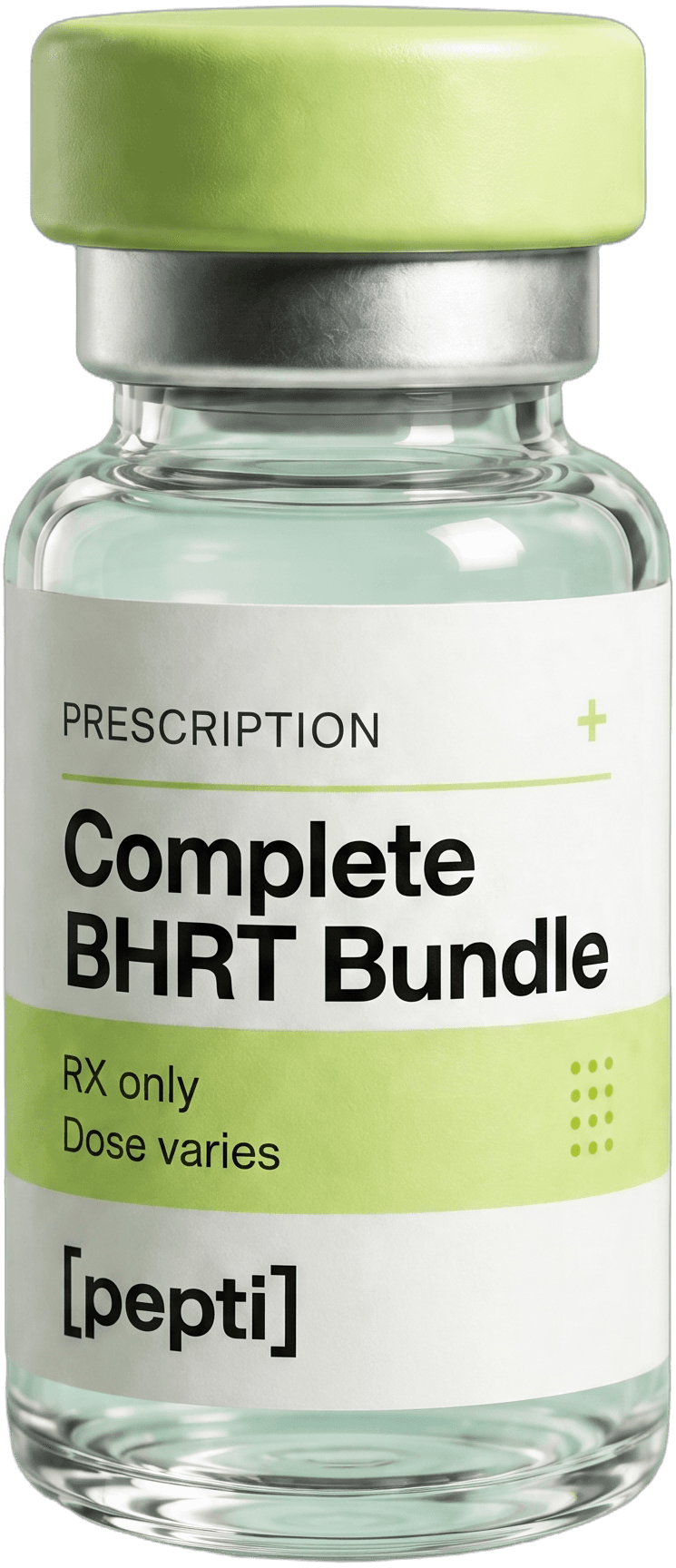
Blood tests serve as a crucial tool in understanding your hormonal status, metabolic health, and nutrient levels. For those considering peptide therapies like the Complete BHRT Bundle, knowing your baseline hormone levels is essential to ensure safe and effective treatment.
What Do Blood Tests Measure?
Blood tests can assess various biomarkers that inform you about your health. Key areas include:
- Hormone Levels: Estrogen, testosterone, progesterone, and thyroid hormones.
- Metabolic Health Indicators: Glucose levels, insulin sensitivity, and lipid profiles.
- Nutrient Status: Vitamins and minerals such as vitamin D, B12, magnesium, and iron.
Hormones: The Body's Regulators
Hormones are chemical messengers that regulate numerous body functions. Imbalances can lead to a range of symptoms—from fatigue to weight gain. A blood test can reveal:
- Elevated or Low Testosterone: Important for both men and women in terms of energy, libido, and muscle mass.
- Estrogen and Progesterone Levels: Crucial for women’s reproductive health and general well-being.
- Thyroid Function: Thyroid hormones influence metabolism, weight, and energy levels.
Metabolic Health Insights
Your metabolic health is pivotal for weight management and overall vitality. Blood tests can help you understand:
- Insulin Sensitivity: High insulin levels could indicate diabetes or pre-diabetes.
- Cholesterol and Triglycerides: These markers can help assess heart health and risk for cardiovascular diseases.
- Inflammatory Markers: Elevated levels can point to hidden health issues.
Nutrient Status and Deficiencies
Nutritional deficiencies can significantly impact your hormonal balance and metabolic functions. Blood tests can identify:
- Vitamin D: Essential for bone health and immune function.
- B Vitamins: Vital for energy production and brain health.
- Minerals: Such as magnesium and zinc, crucial for numerous biochemical reactions in the body.
Why Follow-Up Testing is Crucial
Baseline testing is just the beginning. Follow-up bloodwork is essential to gauge the effectiveness of any treatment, including peptide therapies like the Complete BHRT Bundle. Regular testing can help:
- Fine-tune dosages for optimal results.
- Monitor for potential side effects or complications.
- Evaluate overall health improvements or declines over time.
How to Get Your Blood Tested
At pepti, we offer convenient options for blood testing, including at-home collection kits and in-lab draws. We provide comprehensive panels for hormones, metabolic health, thyroid function, and nutrient status. Additionally, a standard panel is included free if your doctor requires it. Learn more about our blood testing options here and see the biomarkers we test.
Frequently Asked Questions
How often should I get my blood tested?
It's generally recommended to have your blood tested every 6-12 months, especially if you are undergoing hormone therapy or making significant lifestyle changes. More frequent testing may be necessary if you are adjusting medication dosages or experiencing new symptoms.
What should I do if my results are abnormal?
If your blood test results show abnormalities, it's vital to consult with your healthcare provider. They can help you interpret the results in the context of your overall health and recommend a course of action, which may include lifestyle changes or peptide therapies.
Can I trust at-home blood testing?
At-home blood testing can be a convenient and effective option. However, it’s important to use reputable services that comply with medical standards. At pepti, our at-home kits are reliable and designed to provide accurate results, ensuring you receive the care you need.
Ready to take charge of your health? Start by taking our free assessment at pepti.