When it comes to monitoring your health, blood testing is a vital tool. Whether you're embarking on a new peptide therapy or simply seeking to understand your body's current state, knowing the differences between at-home and in-lab blood testing can empower your health decisions. Let’s dive into how these testing methods work and why establishing baseline labs is crucial.
How Blood Testing Works
Blood testing measures various substances in your blood, providing insights into your health status. This can include hormone levels, metabolic markers, and nutrient deficiencies. Generally, there are two primary methods for blood testing:
At-Home Blood Testing
- Convenience: At-home testing kits allow you to collect samples in the comfort of your home. You usually prick your finger and send the sample to a lab for analysis.
- Privacy: Many people appreciate the privacy of at-home testing without needing to visit a clinic.
- Niche Tests: Some at-home kits focus on specific biomarkers, such as glucose or cholesterol levels.
In-Lab Blood Testing
- Expert Analysis: In-lab tests are performed by trained technicians and analyzed in controlled environments, ensuring accuracy and reliability.
- Comprehensive Panels: Labs can perform a wider range of tests, often including thyroid and metabolic panels, which are crucial for understanding overall health.
- Immediate Results: Depending on the lab, results may be available faster than at-home kits, especially for urgent or comprehensive testing.
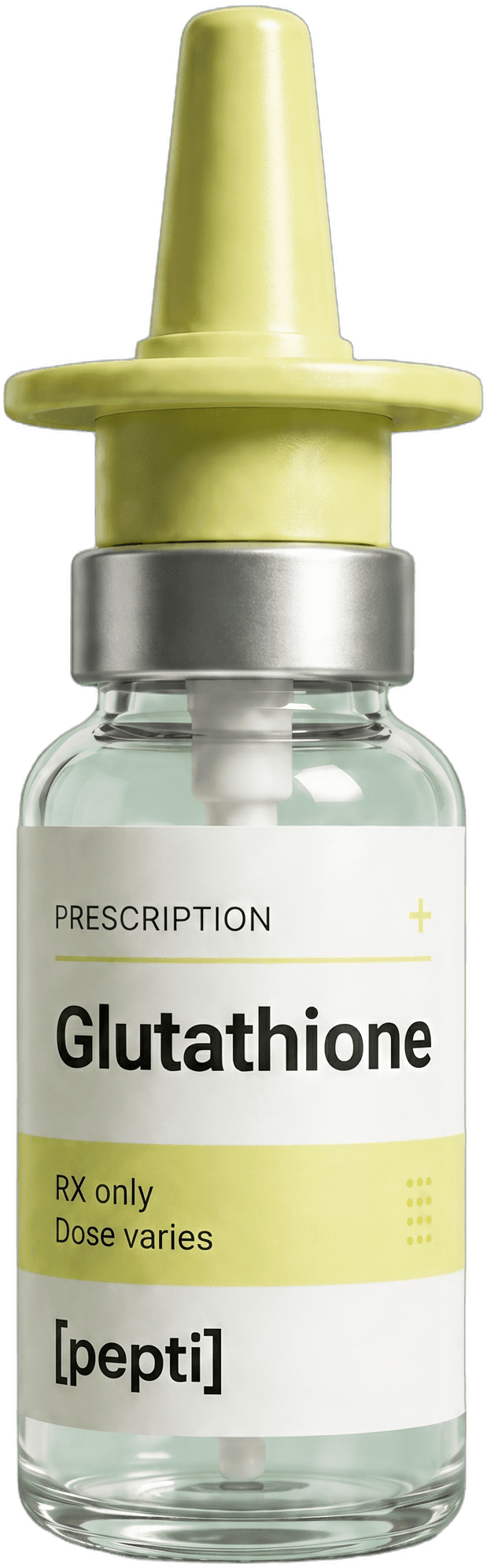
For peptides such as Glutathione Nasal Spray, understanding your baseline levels of various biomarkers—like antioxidants and hormone levels—is essential before starting therapy. This way, you and your physician can monitor changes and adjust your dosage for optimal results.
Why Baseline Labs Matter
Establishing a Health Baseline
Before starting any treatment, including peptide therapy, it's crucial to establish a health baseline. This includes understanding your hormone levels, nutrient status, and metabolic health. Baseline labs help in:
- Personalized Treatment: Knowing your starting point allows for tailored dosages and therapeutic strategies that align with your health goals.
- Monitoring Progress: Regular testing can track improvements or adverse effects, helping to adjust treatments as needed.
- Ensuring Safety: Certain peptides may have side effects that can be monitored through regular blood work, reducing risks associated with therapy.
Pepti offers comprehensive blood testing, including at-home collection kits and in-lab draws. By analyzing hormones, metabolic function, and nutrient levels, we help you create a roadmap for effective health optimization.
Choosing the Right Testing Method
When deciding between at-home and in-lab blood testing, consider:
- Your Health Goals: Regular monitoring for peptide therapy? In-lab may be more suitable for comprehensive analyses.
- Personal Preference: Some people prefer the convenience of at-home testing, while others value the accuracy of lab analysis.
- Insurance and Costs: Check if your insurance covers lab tests; sometimes, at-home kits can be more affordable.
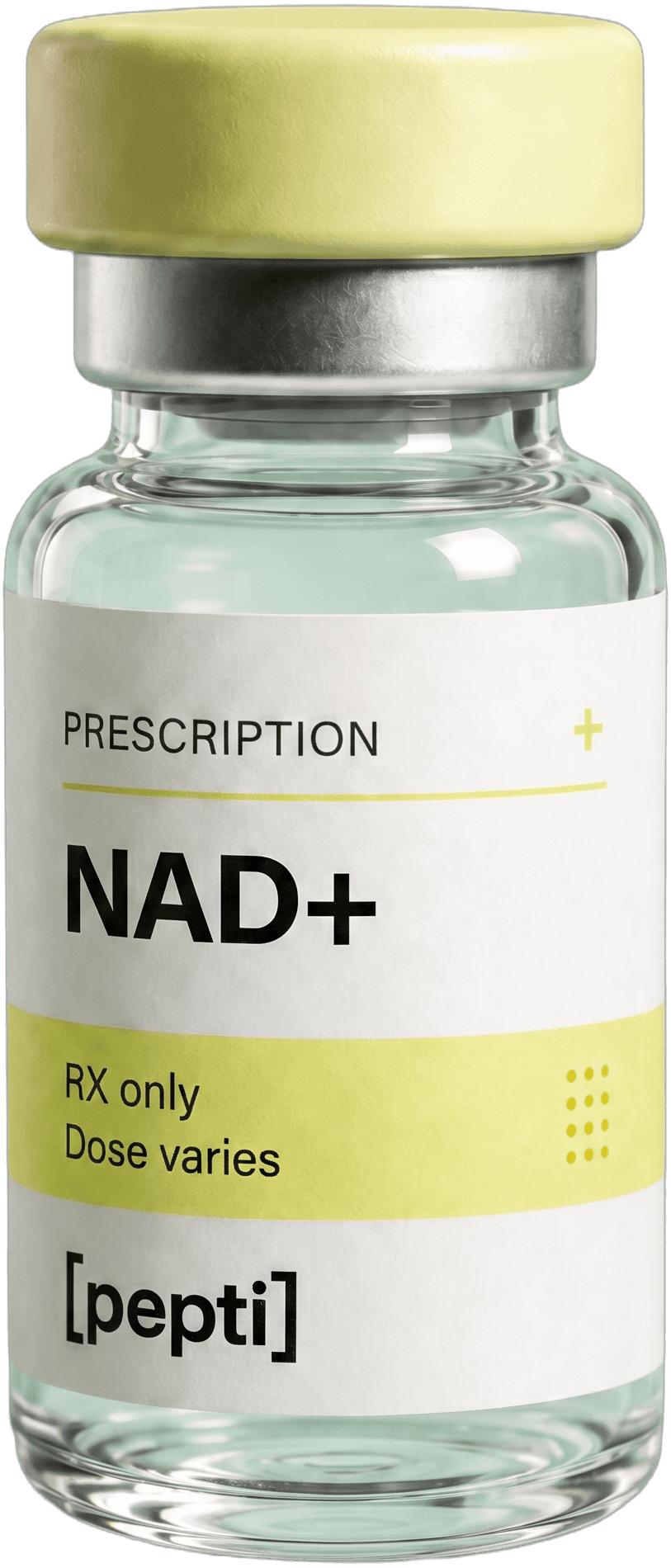
For those starting NAD+ Injection therapy, understanding baseline NAD+ levels can significantly impact your treatment efficacy. Regular follow-up tests ensure you're reaping the full benefits.
Conclusion
In summary, both at-home and in-lab blood testing have their respective merits. Your choice may vary based on personal preference, health goals, and the specific insights you seek. Remember, establishing a baseline is key for safe, effective therapy, especially when it comes to peptide treatments. Always consult with your healthcare provider for the best approach tailored to your needs.
Frequently asked questions
Why should I get my blood tested before starting peptide therapy?
Getting blood tested establishes a baseline for various biomarkers. This information helps tailor your peptide therapy to your unique health profile, ensuring safety and efficacy.
How often should I retest my blood after starting therapy?
The frequency of retesting can vary based on the specific peptide therapy you're undergoing. Generally, follow-up tests are recommended every few months to monitor progress and adjust dosages as needed.
Can I use at-home testing for all my blood work?
While at-home tests are convenient, they may not cover all necessary panels or provide the same level of accuracy as in-lab testing. It's often beneficial to combine both methods, especially when starting new therapies.
Take the first step towards optimizing your health—take our free assessment today!