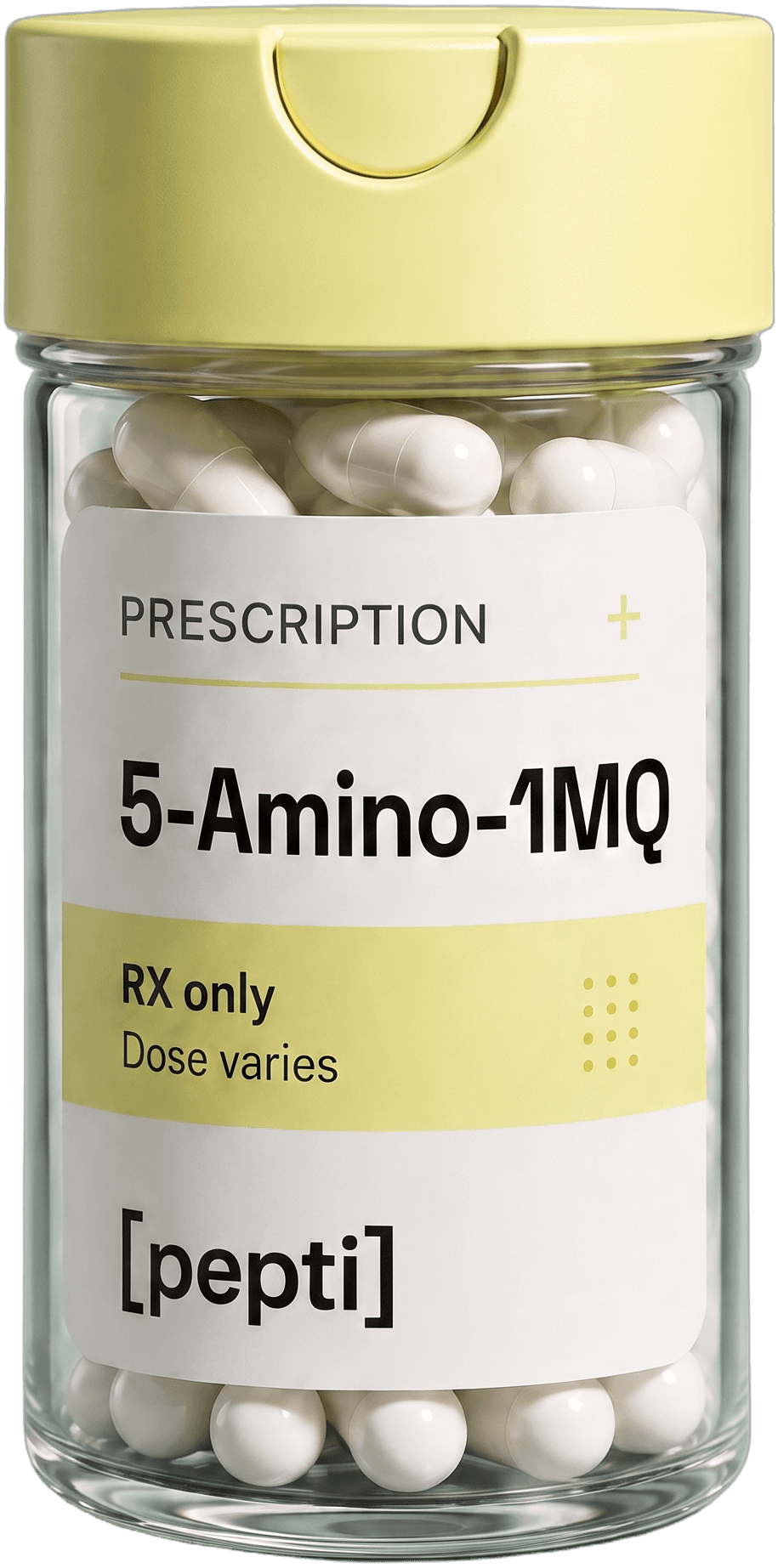
Metabolic Health and the Science of 5-Amino-1MQ
Metabolism often feels like a black box: we know it impacts weight, energy, and longevity, but the underlying levers are complex. 5-Amino-1MQ is a peptide-based metabolic activator that’s getting a lot of attention for its unique approach—one that leverages your body’s own NAD+ pathway and cellular energetics. So, how does it work, and what makes it different from other weight management tools?
The NAD+ Pathway and Your Metabolism
Nicotinamide adenine dinucleotide (NAD+) is an essential molecule for cellular energy production. Think of it as the battery charge for your cells: the more NAD+ you have, the more efficiently you can convert food into energy (and less into unwanted fat). NAD+ levels naturally decline with age and in states of metabolic dysfunction, which means your metabolism may slow down even if your habits haven’t changed.
Here’s why NAD+ matters:
- NAD+ is required for mitochondria to produce ATP (your body’s energy currency).
- NAD+ fuels sirtuin enzymes, essential for DNA repair and metabolic function.
- Higher NAD+ activity is linked to better fat oxidation, improved insulin sensitivity, and healthier aging.
NNMT: The Enzyme Blocking Your Metabolic Potential
Why doesn’t your body just keep NAD+ levels high? One answer is an enzyme called nicotinamide N-methyltransferase (NNMT). NNMT increases with obesity, metabolic syndrome, and aging. It acts like a siphon, diverting nicotinamide away from recycling into NAD+ and instead converting it into an inactive form.
High NNMT activity is associated with:
- Lower NAD+ regeneration
- Increased fat cell size and number
- Greater fat accumulation in the liver and visceral tissues
The 5-Amino-1MQ Mechanism: Inhibiting NNMT
5-Amino-1MQ (5-amino-1-methylquinolinium) is designed to inhibit NNMT. By blocking this enzyme, it helps:
- Preserve nicotinamide for NAD+ production
- Support higher levels of cellular NAD+
- Trigger the body to burn fat (adipocytes) for energy, rather than storing it
Key effects observed in research:
- Decreased size and number of fat cells in animal models
- Increased mitochondrial activity and energy expenditure
- Reduced fat accumulation in liver and visceral tissues
What Sets 5-Amino-1MQ Apart?
Unlike GLP-1 receptor agonists like Semaglutide or Tirzepatide, which primarily work by regulating appetite and blood sugar, 5-Amino-1MQ focuses directly on your cells’ metabolic machinery.
Put simply:
- GLP-1s help you eat less.
- 5-Amino-1MQ helps your body burn more.
The two can be complementary—one tackles input, while the other optimizes output.
Bloodwork: Personalizing and Tracking Your Results
If you’re interested in optimizing your metabolism with a peptide like 5-Amino-1MQ, baseline and follow-up blood testing is crucial. Here’s why:
- Safety: Understanding your starting metabolic panel, liver function, and NAD+ status helps your prescriber ensure suitability and monitor for rare side effects.
- Efficacy: Tracking key biomarkers such as fasting glucose, insulin, lipid panel, and markers of liver health allows you and your provider to objectively see progress.
- Optimization: Data-driven adjustments to your protocol can maximize benefits and minimize plateaus.
[pepti] includes a standard panel free if your doctor requires it, and offers both at-home kits and in-lab draws—making bloodwork easy and accessible.
Who Can Benefit from 5-Amino-1MQ?
5-Amino-1MQ is being explored as a tool for:
- Adults struggling with stubborn fat despite healthy habits
- Those seeking to improve metabolic flexibility
- Individuals whose bloodwork shows early signs of metabolic slowdown
- Patients who want to address age-related changes in body composition
It’s NOT a magic bullet or a substitute for nutrition, movement, and sleep—but it can be a powerful lever when added to a science-informed health plan.
Other peptides for metabolic and mitochondrial health from [pepti]:
- MOTS-c: supports mitochondrial function and exercise performance
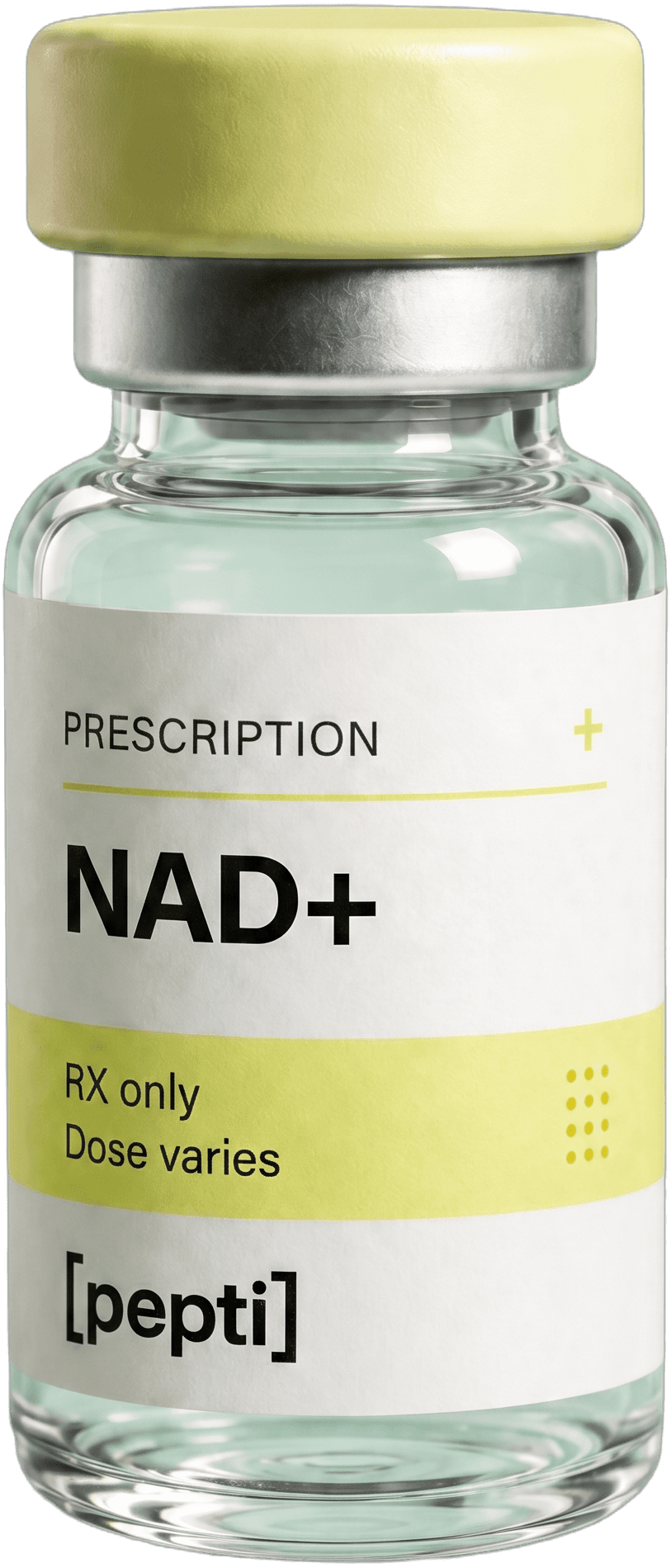
- NAD+ Injection: replenishes cellular NAD+ directly
Is 5-Amino-1MQ Safe? What About Side Effects?
Most users tolerate 5-Amino-1MQ well, with few reported side effects in early research. Potential mild effects could include headache or mild gastrointestinal discomfort, most often at higher doses. As with any new therapy, medical supervision and regular follow-up are essential, especially if you have underlying health conditions or are combining peptides. That’s why [pepti] only offers 5-Amino-1MQ as a doctor-prescribed, monitored protocol.
Key Takeaways
- 5-Amino-1MQ inhibits NNMT, helping preserve NAD+ and promote fat burning at the cellular level.
- It works differently from appetite-based peptide therapies by targeting the body’s metabolic engine.
- Regular blood testing helps personalize your plan and track objective results.
- Safe, effective use always involves a healthcare provider—never self-medicate with research chemicals or unregulated sources.
Frequently asked questions
How fast will I notice results with 5-Amino-1MQ?
Most people start to notice changes in energy levels or body composition within 4-8 weeks, but individual response varies. Consistency, nutrition, activity, and other factors all play a role in your timeline.
Can I combine 5-Amino-1MQ with other peptides or medications?
Yes, under medical supervision, it’s often paired with other metabolic peptides like Semaglutide or NAD+ Injection, or with lifestyle-based fat-burners. Your [pepti] provider will design a protocol tailored to your goals and health status.
Do I need blood tests before and during 5-Amino-1MQ therapy?
Absolutely. Baseline and follow-up blood testing help ensure safety, track your metabolic response, and guide dose adjustments. It’s the best way to make your protocol safe, transparent, and effective.
Curious if 5-Amino-1MQ is right for you? Take the free assessment at pepti’s online screening and get started with physician-guided peptide therapy.