Bloodwork: The Foundation of Personalized Peptide & Hormone Therapy
Thinking about starting peptide or hormone therapy? Whether your goal is accelerated recovery, weight management, metabolic support, or optimized aging, comprehensive bloodwork is the first—and most important—step. At [pepti], every treatment plan is doctor-prescribed and evidence-based. Here’s why testing before and during therapy is non-negotiable if you want results without risks.
Why Baseline Bloodwork Matters
Before you begin peptide or hormone therapy, your body’s current state needs to be understood. Baseline testing reveals:
- Hormone levels (like total and free testosterone, estradiol, IGF-1, LH, FSH, TSH, and more)
- Metabolic health (glucose, A1C, insulin, lipid panels)
- Liver and kidney function (to assess safe medication use)
- Nutrient status (B12, vitamin D, zinc, selenium, etc.)
Establishing your starting point is essential for:
- Customizing your protocol for maximum safety and efficacy
- Uncovering underlying health issues that may affect treatment
- Preventing interactions or side effects
See the biomarkers we test for a full panel list.
Monitoring Progress: Follow-Up Testing
Bloodwork isn’t a one-and-done. Your body responds to new therapies, and regular check-ins help ensure:
- Optimal dosing: Adjusting medications based on real changes, not guesswork
- Identifying side effects early: Catching liver, kidney, or hormone imbalances before they become issues
- Tracking progress: Quantifying improvements in hormones, metabolism, and nutrient levels
For example, if you start Semaglutide for weight management, repeat testing can show changes in blood sugar and lipid levels. Similarly, starting CJC-1295 / Ipamorelin for growth hormone support warrants regular IGF-1 checks to optimize benefits and minimize risks.
What Does a Standard Panel Include?
At [pepti], your doctor may require a standard blood panel—which is included free with your plan. Our kits make sample collection convenient, with both at-home and in-lab options to fit your schedule. Typical panels cover:
- Comprehensive metabolic and lipid profiles
- Hormones relevant to your protocol (GH, thyroid, sex hormones)
- Key vitamins, minerals, and antioxidants
- Kidney and liver function markers
Explore our blood testing page for more details and options tailored to your needs.
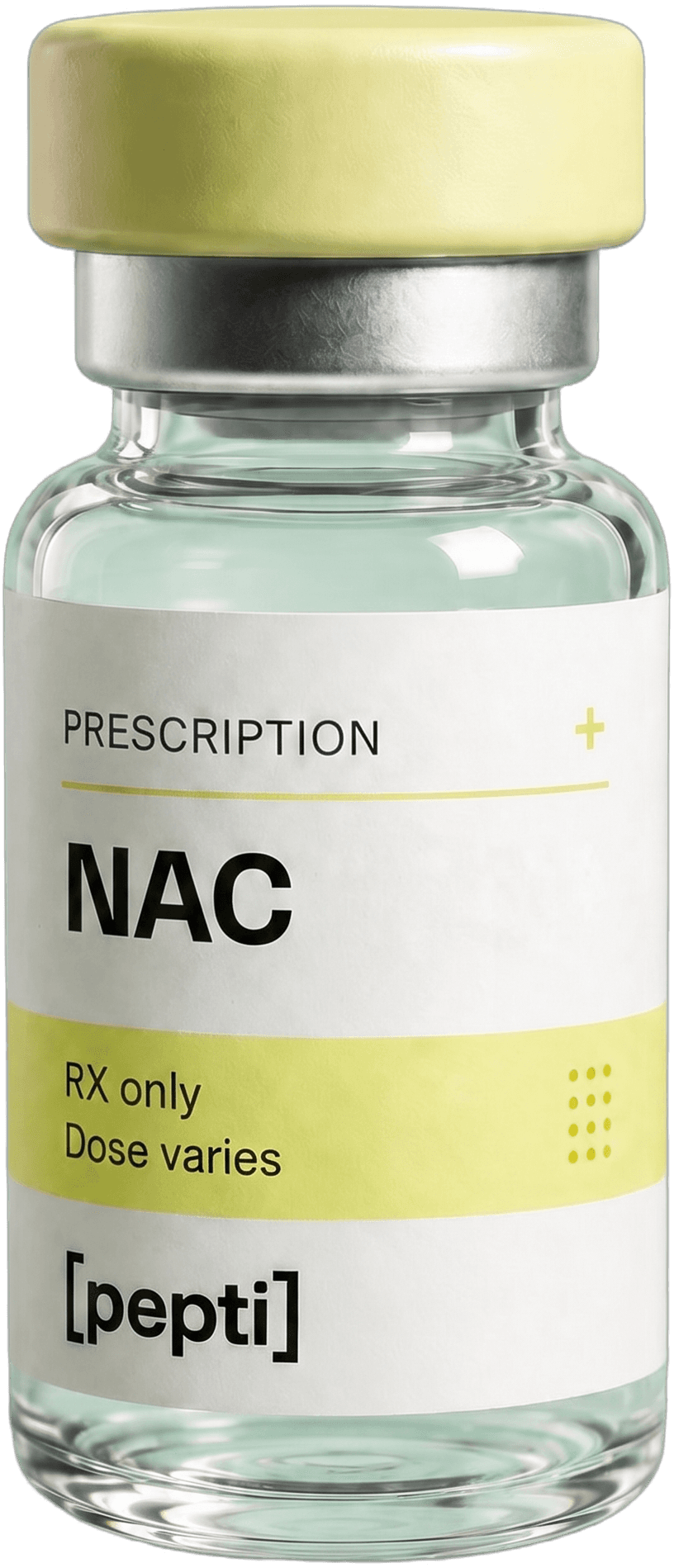
Case Study: NAC & The Value of Tracking
N-Acetyl-L-Cysteine (NAC) is a powerhouse antioxidant and detox support peptide. It’s used for:
- Supporting liver health and glutathione production
- Aiding respiratory function
- Promoting overall cellular protection
But while NAC is generally well-tolerated, monitoring your liver enzymes and antioxidant status throughout therapy is wise—especially if you’re on other medications or have pre-existing conditions. Baseline and follow-up bloodwork help your provider spot any changes early, so your protocol can be safely adjusted if needed.
Which Other Therapies Require Careful Monitoring?
Many prescription therapies benefit from ongoing lab tracking, including:
- Tesamorelin: Targets visceral fat, but regular IGF-1 and metabolic panels are crucial
- Glutathione: As a master antioxidant, it’s key to track redox and liver markers
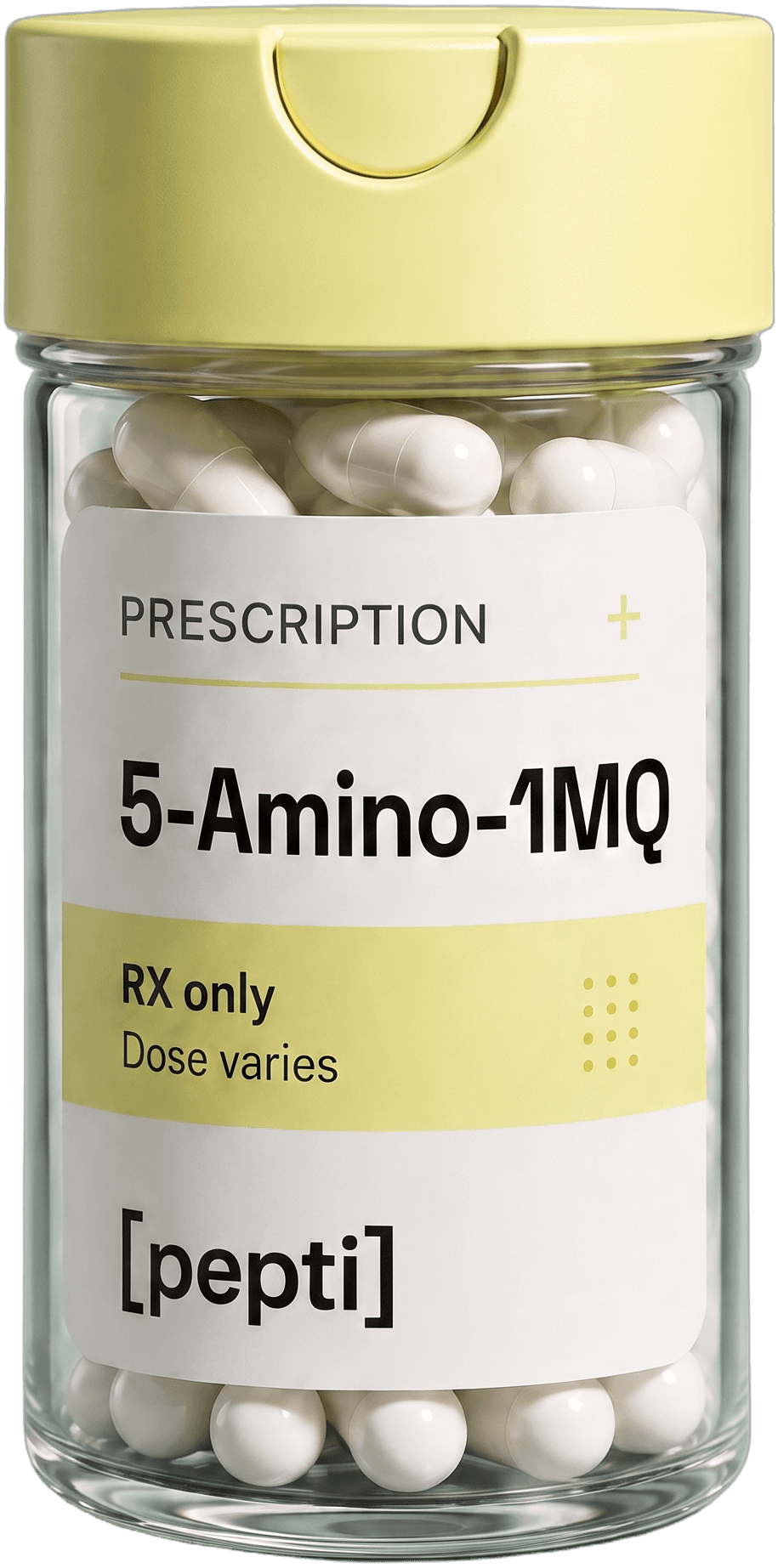
- 5-Amino-1MQ: Impacts metabolism, so glucose and lipid testing are recommended
Remember: Your doctor will tailor the frequency and type of testing to your therapy, goals, and health status.
The Bottom Line: Bloodwork Keeps You Safe and On Track
- Personalization: No two bodies are the same. Baseline and follow-up bloodwork allow truly individualized care.
- Prevention: Early detection of issues means safer therapy and fewer side effects.
- Progress: Want to see real change? Numbers on your lab report tell the story.
With [pepti]’s physician-reviewed blood testing, your peptide journey is always built on data—not guesswork.
Frequently asked questions
How often will I need bloodwork while on peptide or hormone therapy?
Your doctor will determine the best schedule based on your protocol, but most patients repeat labs every 3-6 months. Some medications or health histories may require more frequent monitoring, especially early in therapy.
Can I do blood testing at home?
Yes! [pepti] offers both at-home collection kits and in-lab draws nationwide. At-home kits are convenient, easy to use, and ideal if you have a busy schedule or limited access to a nearby lab.
What if my bloodwork shows an issue?
If your labs reveal a new or unexpected concern, your provider will discuss next steps. This could mean adjusting your prescription, monitoring more closely, or addressing an underlying health issue first for your safety.
Ready to personalize your peptide or hormone therapy? Start with the free assessment at [pepti]/assessment and take control of your health with real data!