Bloodwork: The Backbone of Personalized Peptide Care
Choosing peptide or hormone therapy—whether for weight loss, energy, recovery, or longevity—is an exciting step toward your health goals. But before starting, and all along the journey, there’s a crucial piece that can’t be skipped: bloodwork. At [pepti], we make blood testing simple and accessible because it’s not just a formality—it’s a must for safety, effectiveness, and truly personalized results.
Why Baseline Bloodwork Matters
Think of baseline bloodwork as your personal health map. Before you begin any therapy, your doctor needs a clear snapshot of your:
- Hormone levels (testosterone, estrogen, thyroid hormones, etc.)
- Metabolic function (glucose, lipids, insulin sensitivity)
- Key nutrients (B12, D, iron, and more)
- Organ health (liver, kidneys)
Without this information, therapy is guesswork. It’s how we catch potential issues (like undiagnosed thyroid imbalances or nutrient deficiencies) and avoid prescribing treatments that could do more harm than good. For example, if you’re considering a Lipo-B (B12 + MIC) injection to support fat metabolism, knowing your B12 status up front ensures you’re not over-supplementing or masking another health concern.
Ongoing Monitoring: Keeping You Safe and On Track
Most therapies aren’t just one-and-done—they’re a process. Regular bloodwork during treatment helps your clinician:
- Track progress and effectiveness
- Catch side effects before they become issues
- Fine-tune dosage or switch strategies if needed
- Adjust for life changes (age, stress, new health conditions)
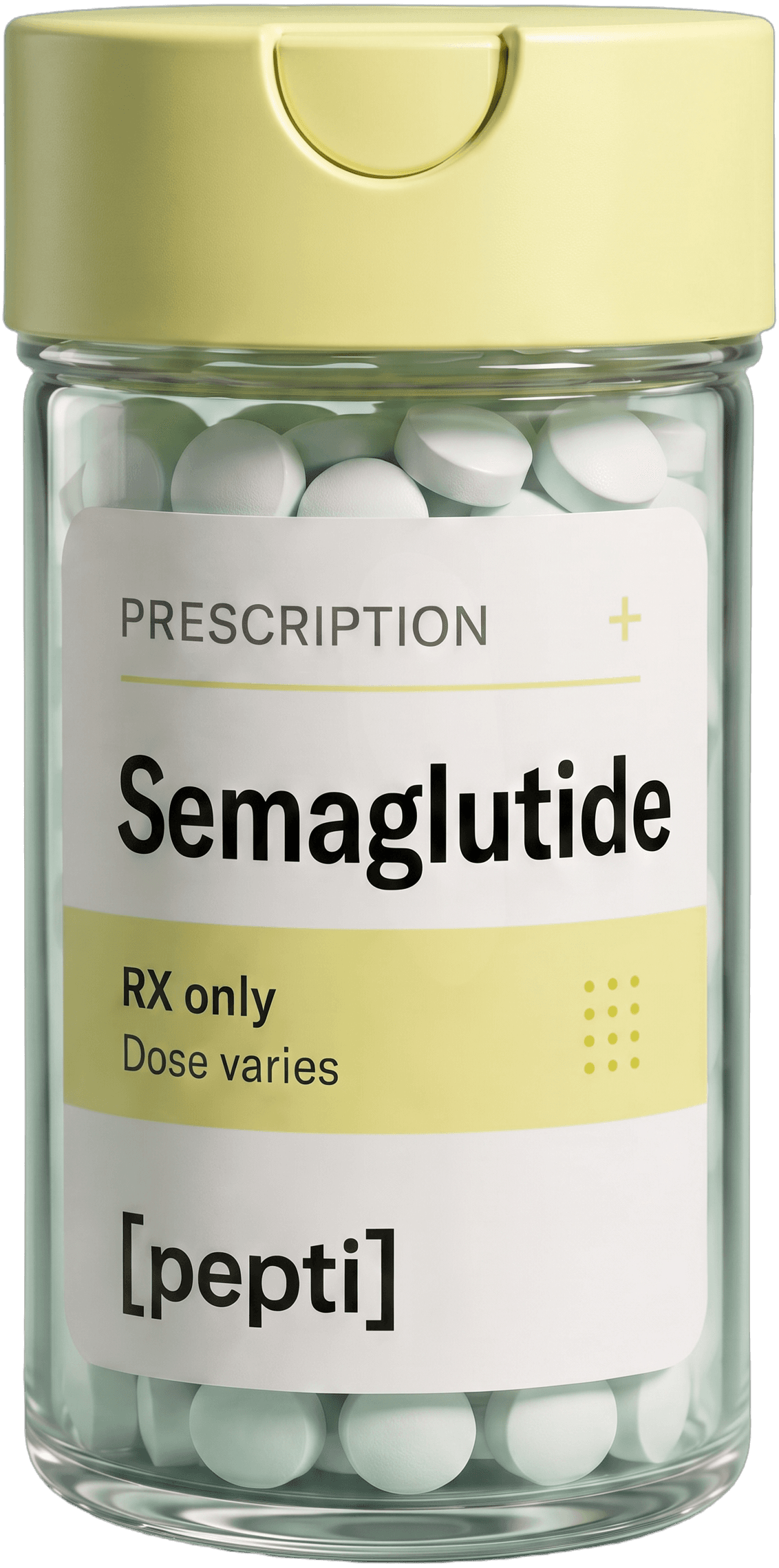
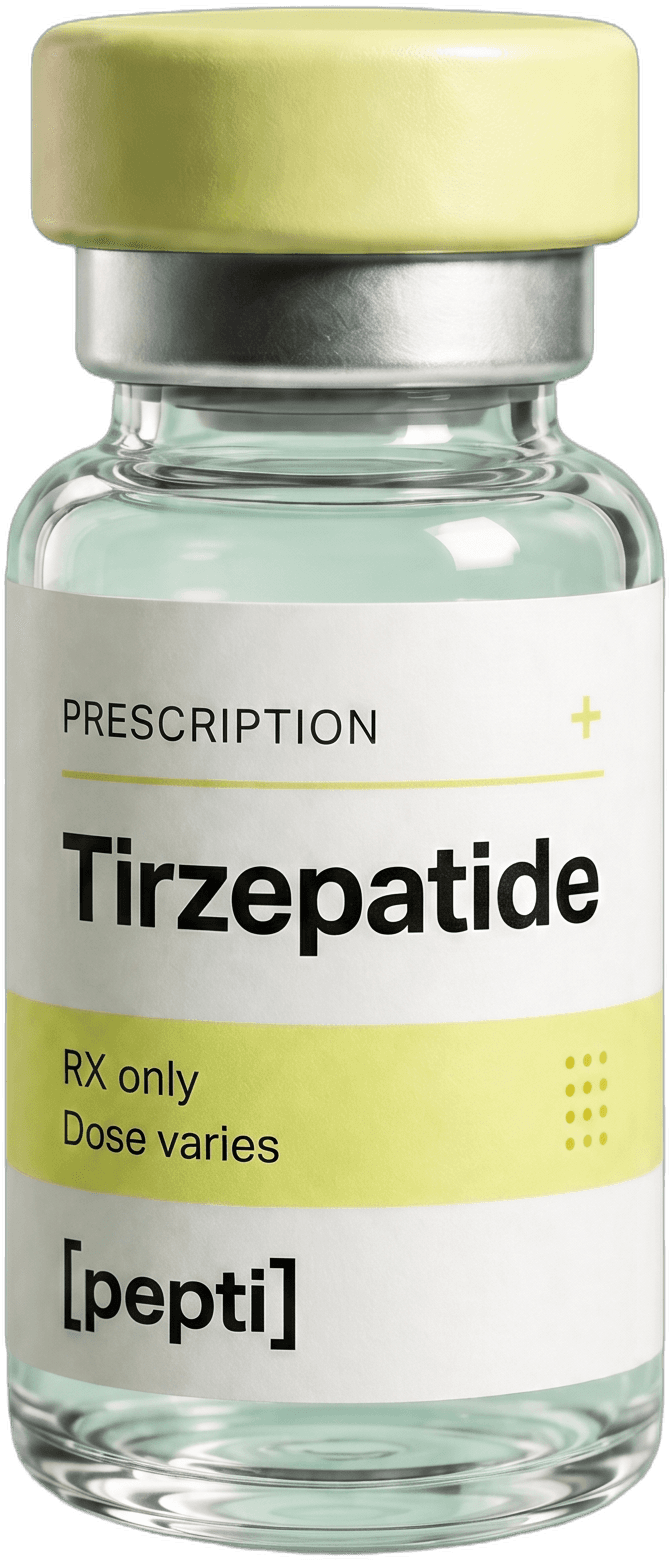
Weight loss medications like Semaglutide (Oral) and Tirzepatide (Injectable) can shift metabolic markers and affect blood sugar or lipids over time. Monitoring helps ensure these shifts bring you closer to your goals without unintended surprises.
The Blood Tests That Matter Most
We don’t take a one-size-fits-all approach. When you work with [pepti], your doctor may order panels that look at:
- Hormones: Testosterone, estradiol, progesterone, thyroid hormones (Testosterone Cypionate, Estradiol, etc.)
- Metabolic markers: Fasting glucose, A1c, insulin, cholesterol
- Nutrient status: B12, folate, vitamin D, iron, and more
- Liver and kidney function: Ensuring your body can handle therapy
Curious what’s tested? See our biomarkers we test for details.
How Pepti Makes Bloodwork Easy
Whether you prefer an at-home finger-prick kit or a traditional in-lab draw, we’ve got options. Our blood testing solutions are:
- Convenient: Test at home or book a local lab visit
- Comprehensive: Panels designed for peptide, hormone, and metabolic health
- Transparent: Results and guidance, reviewed by physicians
And if your doctor requires it, our standard baseline panel is included free—making it easier to get started safely.
The Cost of Skipping Bloodwork
Some clinics skip bloodwork, but here’s what you risk:
- Missed diagnoses: Like subclinical thyroid issues that could sabotage your results
- Over/under-dosing: Too much or too little can both backfire
- Worsening imbalances: Without monitoring, you might not spot elevated liver enzymes or worsening nutrient deficiencies
Bottom line: Bloodwork is non-negotiable for responsible therapy.
Real-World Example: Lipo-B and the Power of Testing
Let’s say you’re interested in Lipo-B (B12 + MIC) injection to boost energy and fat metabolism. Here’s how bloodwork guides therapy:
- Baseline B12 & liver function: Ensures you’re not already high or deficient
- Follow-up testing: Monitors for effectiveness and checks for methylation issues or unexpected responses
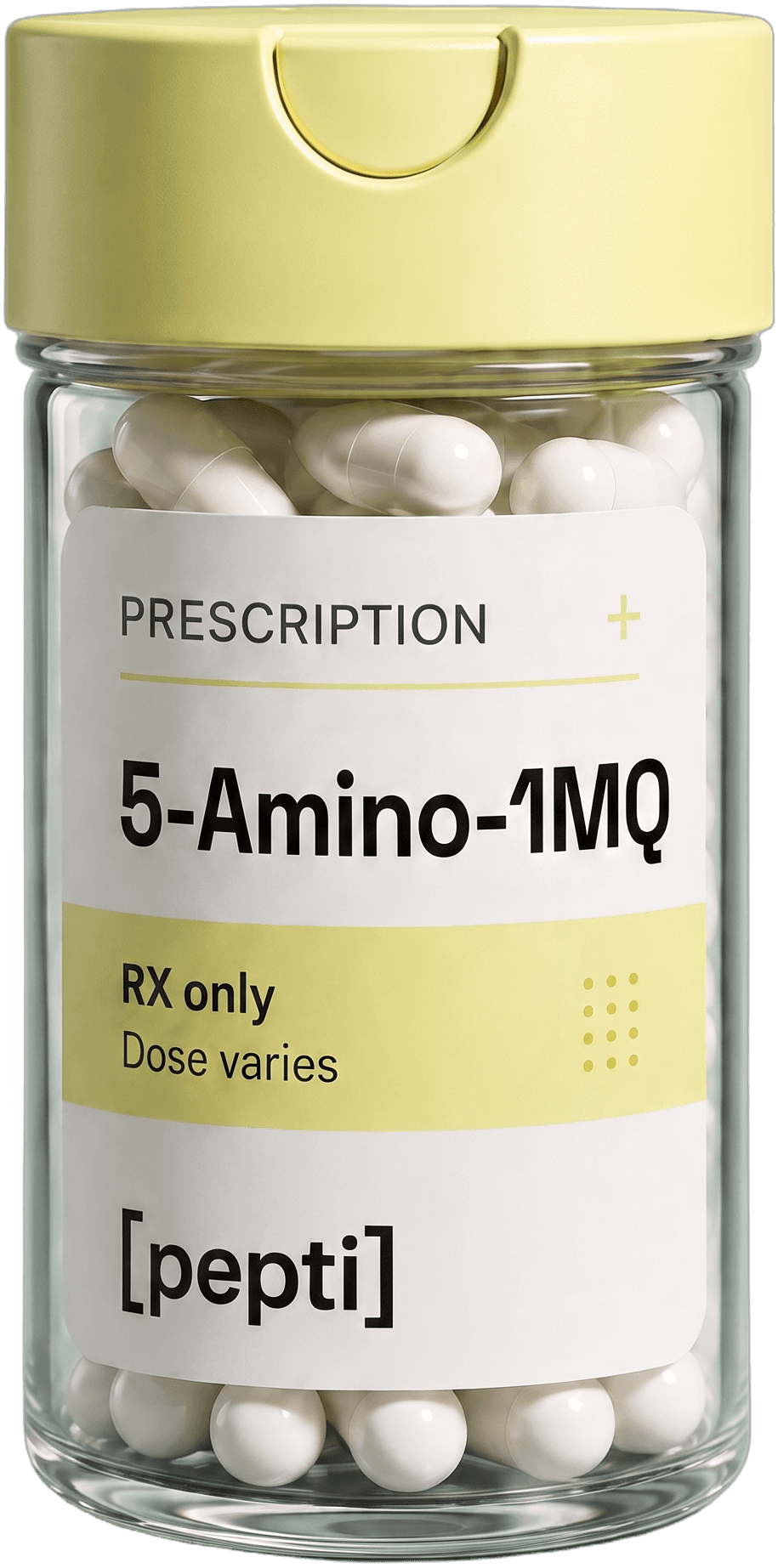
If you’re stacking with a metabolic peptide like 5-Amino-1MQ, these insights help your provider tailor the plan and maximize benefits.
What Happens After Your Results?
Your doctor reviews your labs and crafts a protocol uniquely for you. You’ll talk through results, discuss options, and set a schedule for follow-up testing—typically every 3-6 months, or as needed for your specific therapy.
You’ll have transparency into every step, empowering you to make informed choices for your body.
Frequently asked questions
How often should I repeat bloodwork on peptide or hormone therapy?
For most therapies, plan on new labs every 3-6 months—sometimes sooner if changing doses or adding new medications. Your doctor will set a schedule based on your unique needs and goals.
Can I use my regular annual physical bloodwork?
Sometimes, but most primary care panels don’t include key hormones or metabolic markers relevant for peptide therapy. [Pepti]'s panels are designed to fill these gaps, ensuring nothing important is missed.
What if my tests show something unexpected?
If a blood test reveals a health issue, your pepti clinician will guide you on next steps—whether that means adjusting your protocol, pausing therapy, or referring you to a specialist. Your safety always comes first.
Ready to start smart? Take our free assessment at pepti.com/assessment to get matched with the right therapy plan—personalized, safe, and always backed by data.