Why Consider Peptide Therapy for Deep Tissue Repair?
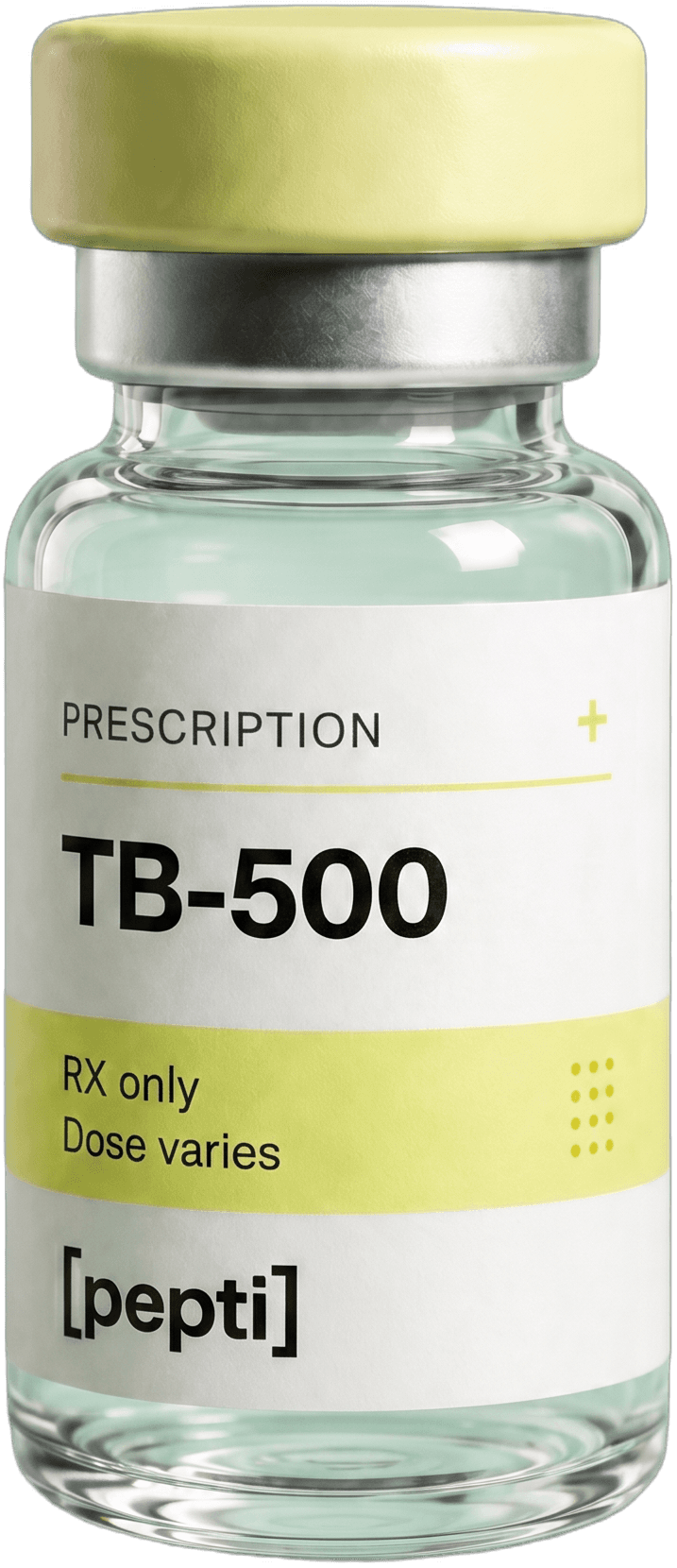
If you’re struggling with a stubborn injury, slow recovery from surgery, or nagging connective tissue pain, you may have come across peptides like TB-500 (Injectable) in your research. TB-500 has gained attention for its potential to support tissue repair, flexibility, and recovery—especially among athletes and active individuals. But how do you bring this topic up with your doctor, and what information should you share to ensure a productive conversation?
This guide outlines key steps, questions to consider, and tips for making your health goals clear, so you and your medical provider can decide if peptide therapy fits your needs.
Preparing for the Conversation
Doctors appreciate patients who are informed and proactive. Before your appointment, take time to:
- Understand your symptoms and timeline. Jot down when your issues began, what makes them better or worse, and how they affect your daily life.
- Do your homework. Read reputable sources (like pepti) about peptide options such as TB-500 and alternatives like BPC-157 or the BPC-157 + TB-500 combo. Note any specific protocols or dosages you’re curious about.
- List your goals. Be honest about what you hope to achieve—whether it's faster recovery, improved mobility, or simply returning to activities you enjoy.
- Prepare your questions. For instance: What are the potential benefits and risks of TB-500? Are there any contraindications? What does monitoring look like?
Key Talking Points for Your Doctor
A focused, respectful discussion increases your chance of getting actionable feedback. Here’s how to structure the chat:
1. Share Your History and Why You’re Interested
Explain your injury or recovery journey, including past treatments. You might say:
“I’ve been reading about new peptide therapies for tissue repair, like TB-500, and I’m curious if this could complement my recovery plan. What’s your experience with these treatments?”
2. Discuss the Science—Briefly
Let your doctor know you understand the basics, but defer to their expertise. For TB-500, mention:
- TB-500 is the synthetic form of Thymosin Beta-4, a naturally occurring peptide linked to tissue regeneration.
- It’s being studied for its potential to support healing in muscles, tendons, and ligaments.
- While research in humans is ongoing, many patients report improvements in mobility and pain with guided use.
3. Ask About Monitoring and Bloodwork
Safe, effective peptide therapy starts with solid baseline health information. Monitoring your progress is essential!
- Bloodwork matters: Baseline and follow-up blood tests help ensure your hormones, metabolic markers, and nutrient status are optimized during therapy. Pepti offers both at-home and in-lab options—standard panels are free if required.
- Ask your doctor if they recommend ongoing biomarker testing to track your response and adjust as needed.
4. Explore Other Options and Combinations
Your doctor may suggest complementary peptides or alternative therapies. For example:
- BPC-157 is often paired with TB-500 for accelerated healing, especially in the BPC-157 + TB-500 combo (sometimes called the “Wolverine Protocol”).
- The KLOW Blend stacks four peptides for broad-spectrum healing—ask if a multi-peptide approach is right for you.
5. Set Realistic Expectations
Peptides are not quick fixes. Your doctor can help you understand what to expect in terms of timeline and outcomes for your specific injury or condition. Progress is often gradual but can be meaningful over weeks to months.
Tips for a Great Doctor-Patient Conversation
- Be honest: Share what you've tried, what hasn’t worked, and your true motivations.
- Stay open: If your doctor has limited experience with peptides, ask if they’re willing to review current clinical literature or refer you to a specialist.
- Ask about safety: Discuss potential side effects, interactions with other medications, and signs to watch for.
- Keep records: Track your symptoms and progress, and share updates at each follow-up.
The [pepti] Approach: Safe, Physician-Guided Care
At [pepti], our medical team reviews your health history, goals, and lab results before prescribing any peptide protocol. If you’re approved for TB-500, you’ll receive detailed dosing instructions, ongoing support, and convenient options for blood testing to ensure safety and results.
Frequently asked questions
How long does it take to see results with TB-500?
Most users report noticing changes in tissue comfort or mobility within 3-6 weeks. Results depend on your baseline health, injury type, and whether you’re using TB-500 alone or with other therapies. Your doctor can help set realistic expectations.
Is bloodwork required before starting peptide therapy?
Yes, baseline bloodwork is important for personalized, safe therapy. It checks hormone, metabolic, and nutrient status and helps rule out contraindications. Pepti includes a standard panel free for all patients if needed.
Can TB-500 be used with other peptides?
Absolutely. TB-500 is commonly combined with BPC-157 for enhanced tissue repair, or as part of KLOW Blend for broader recovery support. Your doctor will help determine the best protocol for your goals.
Ready to see if peptide therapy is right for you? Take our quick, free assessment at pepti.com/assessment and get started today.