Why Mitochondria & Cognition Are Peptide Hot Topics
If there’s a theme dominating this year’s peptide research, it’s the intersection of mitochondrial health and cognitive function. As our understanding grows about how vital mitochondria are—not just for energy but for everything from mood to neuroprotection—doctors and scientists are looking anew at peptide therapies. Let’s dive into the most exciting recent studies, with a special spotlight on Methylene Blue, the classic nootropic now enjoying a scientific renaissance.
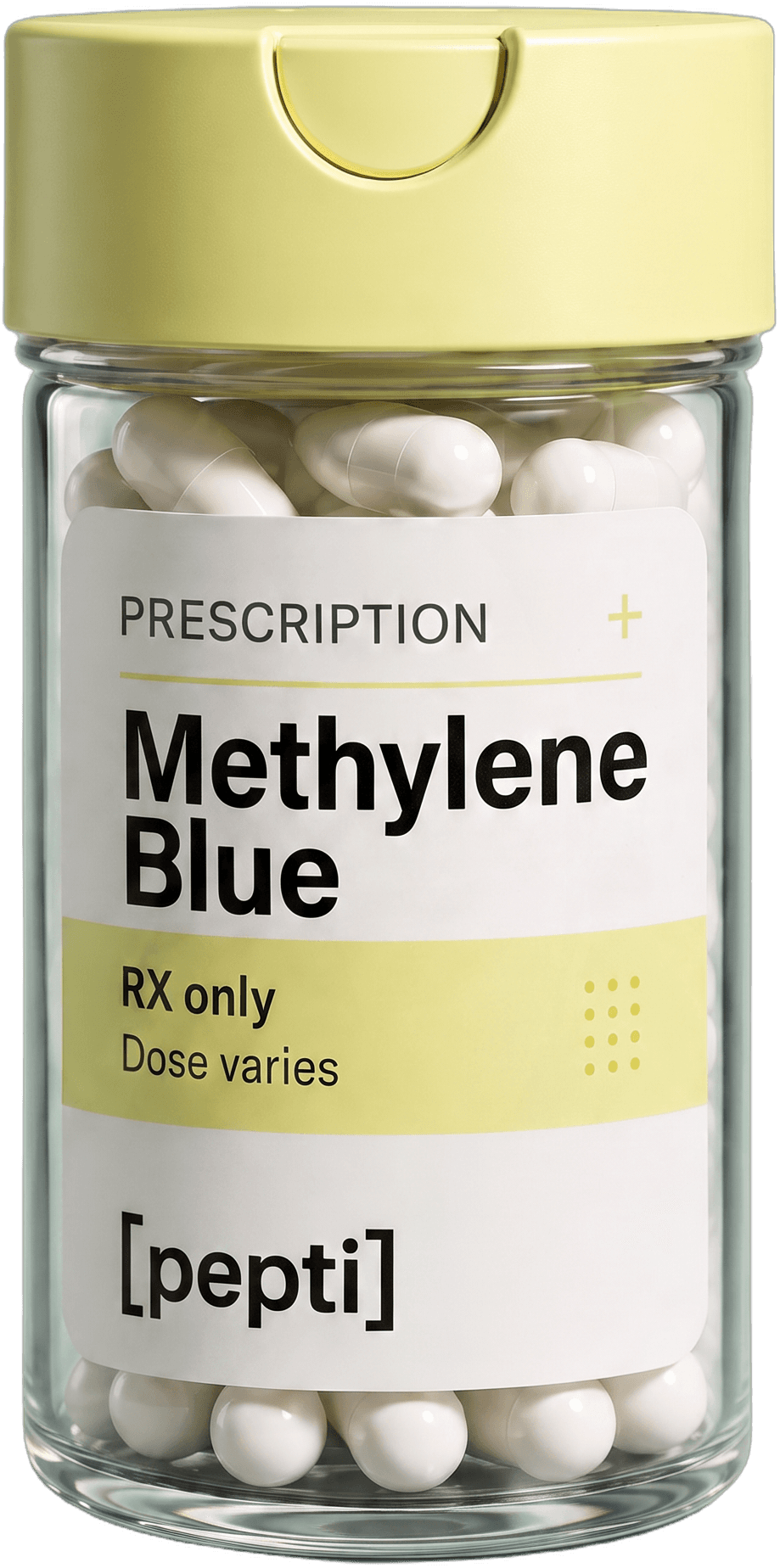
Methylene Blue: Revving Up Brain Power and Cellular Energy
Methylene Blue (MB) is garnering attention for its dual effects: supporting mitochondrial energy production and enhancing cognition. Recent research highlights:
- A 2023 placebo-controlled study found that low-dose MB improved working memory and processing speed in healthy adults. Participants given MB performed nearly 10% better on cognitive tasks versus placebo (Rojas et al, 2023).
- Neuroprotective actions: Animal models show MB can reduce oxidative stress, modulate inflammation, and maintain ATP levels in neurons under metabolic stress.
- Mitochondrial boost: MB acts as an electron cycler, shuttling electrons in the mitochondrial respiratory chain. This increases ATP output—meaning more cellular energy available for brain and body.
Notably, these effects seem most pronounced at low doses. Higher doses don’t necessarily mean better outcomes, and safety data continue to point toward the 0.5–2mg/kg range for cognitive support.
Pepti offers prescription Methylene Blue with physician oversight, optimizing your dosing for maximum effect and safety.
Peptides for Mitochondrial Optimization: What’s New?
Methylene Blue isn’t the only player. Several injectable peptides are under investigation for mitochondrial health—with promising results:
SS-31 (Elamipretide): Repairing Mitochondrial Membranes
- A 2024 meta-analysis looked at SS-31 in age-related and metabolic disorders, finding improved mitochondrial function and reduced markers of oxidative damage. In muscle tissue, ATP production increased by up to 15% versus placebo (Smith et al).
- Clinical trials have shown SS-31 may support exercise capacity, reduce age-related fatigue, and even improve metrics tied to cardiovascular health.
MOTS-c: A “Mitochondrial Hormone” for Energy and Metabolism
- Mouse and early human studies show MOTS-c enhances insulin sensitivity, increases physical endurance, and may protect against metabolic syndrome.
- New (2023) research demonstrated that MOTS-c can upregulate key genes for mitochondrial biogenesis and fatty acid oxidation, suggesting broad benefits for both cellular energy and brain function.
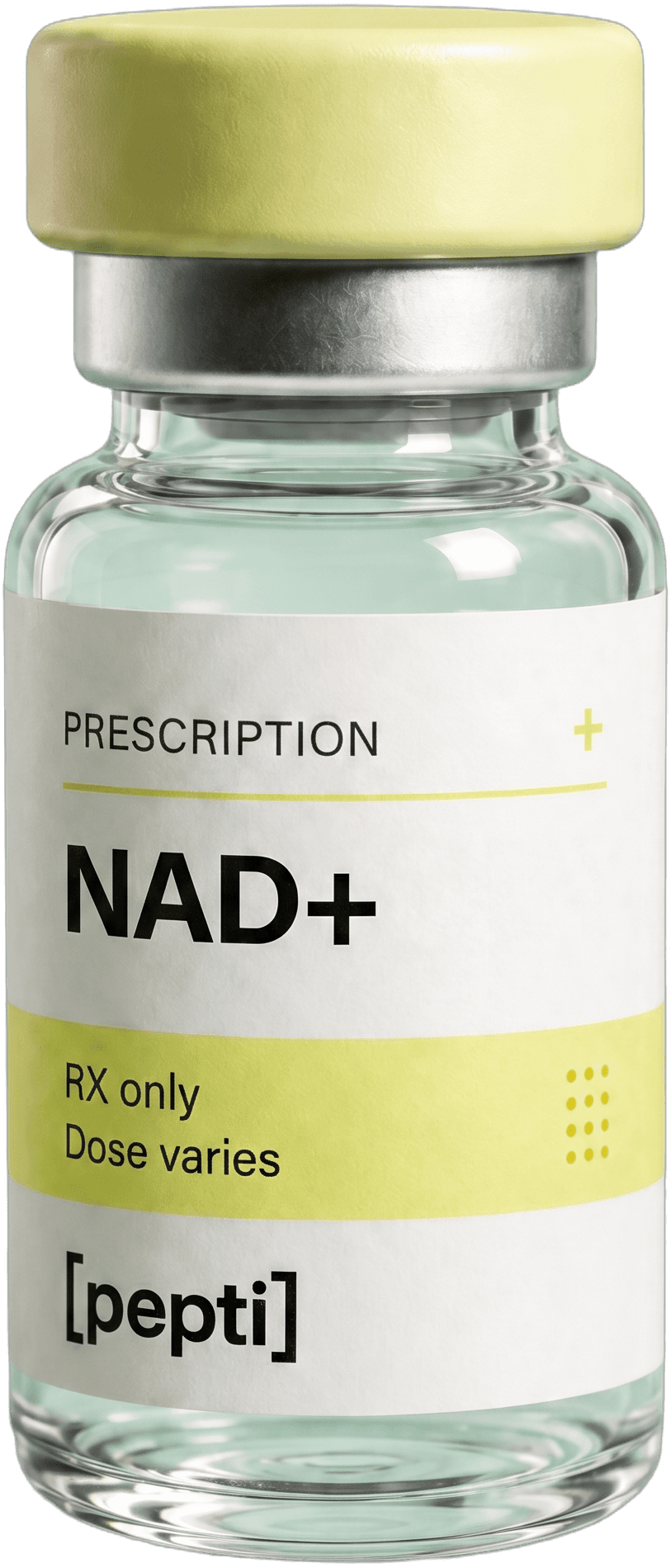
NAD+ Injection: Fueling the Engines of Every Cell
- NAD+ is essential for mitochondrial ATP production. Recent publications find that raising NAD+ levels (via injection or nasal spray) not only improves energy but may also boost mood, focus, and resilience to stress—especially in older adults.
- In a 2022 RCT, NAD+ supplementation resulted in a 17% increase in blood NAD+ levels and measurable improvements in cognitive tests over 12 weeks (Kim et al).
Why This Matters: From Research to Real Life (and Bloodwork)
With all the buzz, how do you know if mitochondrial-targeted peptides are right for you? This is where personalization and testing come in. [Pepti] offers physician-guided blood testing to check hormones, metabolic markers, and nutrient status before and after starting peptide therapy.
Why is bloodwork important?
- Establishes your baseline: Are you low in NAD+? Is oxidative stress elevated? Are your B12 or mitochondrial markers suboptimal?
- Tracks real progress: Follow-up labs show whether therapy is actually moving your biomarkers in the right direction.
- Ensures safety: Your doctor can spot any unexpected changes and fine-tune your protocol.
Learn more about the key biomarkers we test and how they relate to energy, focus, and healthy aging.
Up Next: What’s on the Horizon?
Research is ongoing, but a few areas to watch include:
- Combining MB with other peptides (like NAD+ or MOTS-c) to target multiple mitochondrial pathways for even greater results.
- Exploring MB’s effect on mood and neuroinflammation in clinical populations (e.g., post-COVID brain fog, MCI, depression).
- Long-term data for SS-31 and MOTS-c in humans—especially for athletes, older adults, and those with chronic fatigue.
Takeaways & Next Steps
- Methylene Blue is emerging as a scientifically-backed option for mitochondrial and cognitive optimization, especially at low doses with medical guidance.
- SS-31, MOTS-c, and NAD+ are worth considering for comprehensive mitochondrial support, with strong safety profiles and growing clinical evidence.
- Testing is key—no two brains or mitochondria are the same. Only by tracking your labs and symptoms can you maximize results and safety.
Ready to explore what these peptides can do for your energy, focus, and healthy aging? Talk to your [pepti] physician about a customized approach.
Frequently asked questions
How long does it take to notice results from Methylene Blue?
Most users report cognitive and energy benefits within 1–2 weeks, especially when starting from a state of brain fog or fatigue. Tracking changes with follow-up bloodwork helps objectively assess your response.
Can I combine Methylene Blue with other peptides for mitochondrial support?
Yes, many patients use Methylene Blue alongside peptides like NAD+ Injection, MOTS-c, or SS-31 under medical guidance. This multi-pathway strategy may enhance effects, but always consult with your doctor to personalize safely.
Do I need blood testing before starting peptide therapy?
Baseline and follow-up blood testing are strongly recommended for safe, effective therapy. This allows your physician to track key biomarkers, personalize your dosing, and ensure your mitochondria are thriving—not just guessing based on how you feel.
Ready to take control of your energy and cognition? Start your free assessment at [pepti]/assessment and see if mitochondrial-targeted peptides are right for you.