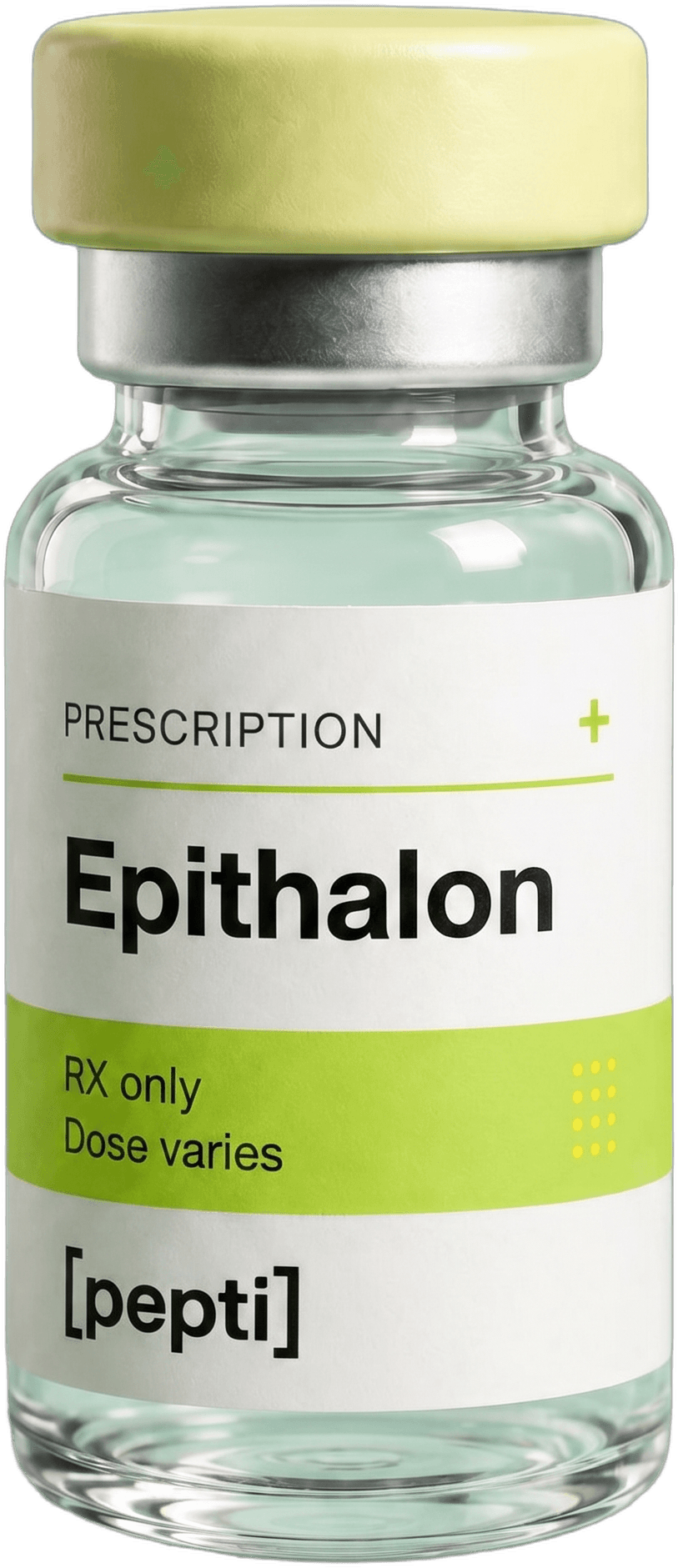
Peptide Spotlight: Epithalon and the Science of Longevity
Peptides are having a moment in the longevity conversation—and none more so than Epithalon (Injectable), a synthetic peptide with roots in telomere research and healthy aging. In today’s research roundup, we review what’s new and what’s promising in the science of Epithalon, telomeres, and related longevity interventions—plus how this fits into the toolkit of evidence-backed peptides available through [pepti].
What is Epithalon?
Epithalon (also known as Epitalon or Epithalamin) is a four-amino-acid peptide that was initially isolated from the pineal gland. Early research, largely from Russian scientists, suggested Epithalon may:
- Modulate the production of telomerase (the enzyme that repairs and lengthens telomeres)
- Support healthy aging and cellular health
- Potentially improve some markers of longevity and metabolic health
Why Telomeres Matter
Telomeres are protective DNA caps at the ends of your chromosomes. Every time a cell divides, telomeres shorten—a process linked to biological aging. Critically short telomeres are associated with cell senescence, decreased tissue regeneration, and increased risk of age-related conditions.
Boosting telomerase activity, or otherwise slowing telomere shortening, is a major focus of anti-aging research.
New Research on Epithalon (2022–2024)
1. Telomere Length & Cellular Health
A recent 2022 study in Biogerontology revisited the effects of Epithalon in human cell cultures, confirming earlier findings: Epithalon increased telomerase activity and helped preserve telomere length after repeated cell divisions. This effect was dose-dependent and most pronounced in skin fibroblasts—a cell type critical for skin health and wound healing.
2. Animal Studies: Longevity & Stress Resistance
In a 2023 Russian study, aging mice treated with Epithalon demonstrated:
- A 15–20% increase in median lifespan
- Reduced markers of oxidative stress
- Improved mitochondrial function
Notably, these benefits were observed even when Epithalon was started in midlife, supporting its potential as a later-in-life intervention.
3. Human Trials: Sleep, Immunity, and Metabolism
While large-scale Western clinical trials are still limited, smaller studies (including a 2023 pilot in Eastern Europe) found:
- Improved sleep quality and circadian rhythm in adults 55+
- Modest improvements in some immune markers
- Trends toward increased insulin sensitivity
Researchers are particularly interested in stacking Epithalon with synergistic longevity peptides such as GHK-Cu / Epithalon / CJC-1295, which combines telomere, skin, and growth hormone support.
How Epithalon Compares: Related Longevity Peptides
If you’re interested in the healthy aging space, [pepti] offers several longevity-focused peptides that target different cellular pathways:
- MOTS-c: Supports mitochondrial function and metabolic flexibility, with promising animal data on lifespan extension and exercise capacity.
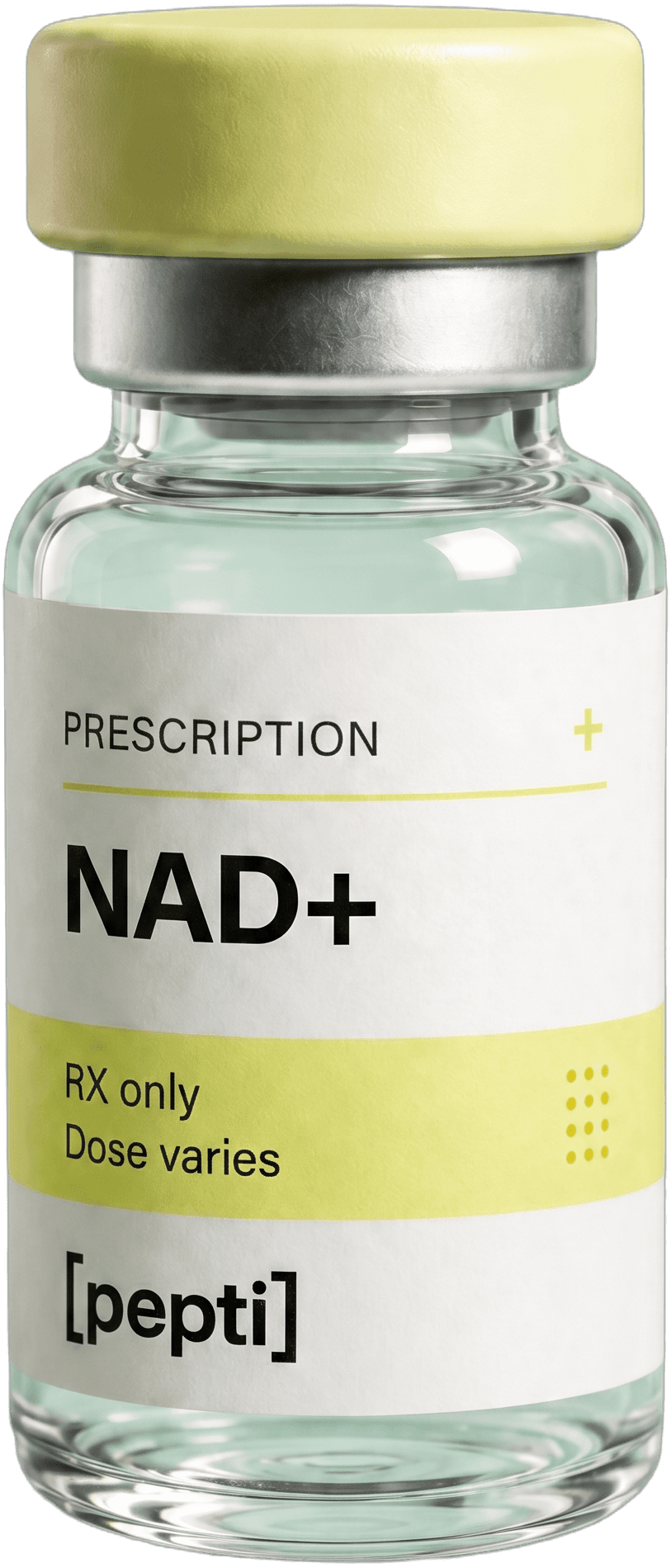
- NAD+ Injection: Boosts cellular energy and DNA repair, with emerging human trial data for metabolic health and cognitive support.
- GHK-Cu / Epithalon / CJC-1295: A blend for those seeking combined benefits for longevity, skin/collagen, and growth hormone axis.
Each peptide operates via a distinct mechanism—consider discussing your priorities with a [pepti] physician to identify a tailored approach.
The Importance of Bloodwork in Longevity Protocols
Longevity isn’t just about living longer—it’s about thriving, safely. That’s why blood testing is a foundational part of any responsible peptide or hormone therapy plan. Baseline panels (and periodic follow-ups) help:
- Track your metabolic, hormonal, and nutrient status over time
- Detect shifts in biomarkers that may signal benefit or risk
- Optimize dosing and stack selection for your unique biology
[Pepti] offers convenient blood testing (both at-home and in-lab), and you can review the biomarkers we test to see how your health stacks up—now and as you progress.
Key Takeaways from Recent Research
- Epithalon continues to show promise for supporting telomere health and healthy aging in both animal and early human research.
- Animal studies suggest potential for increased lifespan and stress resistance.
- Small human studies show improvements in sleep, immunity, and metabolic trends, with research ongoing.
- Stacking Epithalon with other longevity peptides (like GHK-Cu, MOTS-c, or NAD+) may amplify benefits via diverse cellular pathways.
- Bloodwork is essential for informed, safe peptide therapy—don’t skip it!
Frequently asked questions
Is Epithalon safe for long-term use?
While early studies and decades of Russian clinical experience suggest a good safety profile, long-term data in large Western populations is limited. Your [pepti] provider will review your health status, medications, and labs to minimize any risk.
Can Epithalon be combined with other peptides or therapies?
Yes, many patients use Epithalon alongside peptides like NAD+ Injection or MOTS-c for a broader longevity approach. Always consult your provider about combinations to ensure synergy and avoid potential interactions.
How soon will I notice effects from Epithalon?
Some users report better sleep or subtle well-being shifts within 2–4 weeks, while cellular and biomarker changes (like telomere preservation) take longer and require serial bloodwork for monitoring. Tracking progress with blood testing is crucial for meaningful assessment.
Ready to explore if longevity peptides fit your health goals? Take the free [pepti] assessment at pepti.com/assessment to get started.