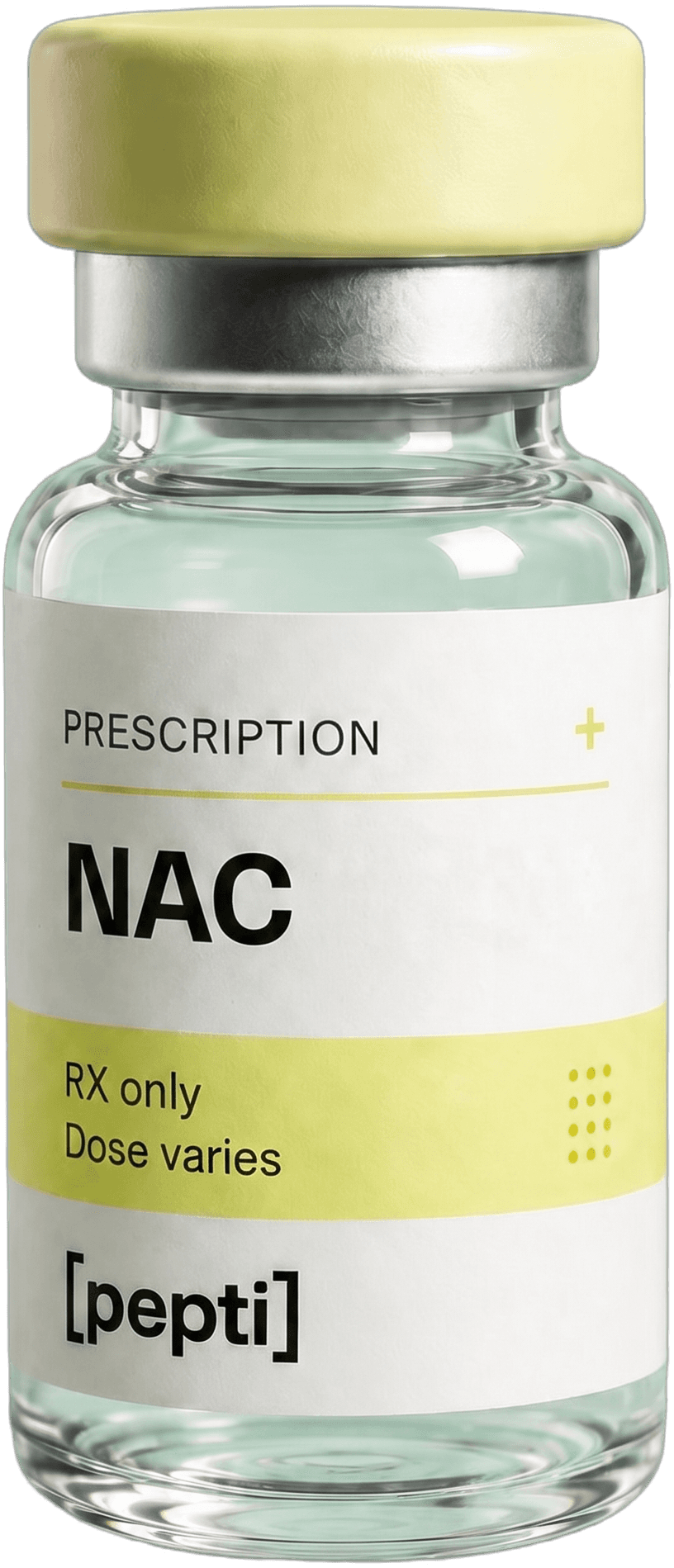
Peptide therapy is gaining traction in the world of health optimization. Whether you’re curious about solutions like N-Acetyl-L-Cysteine (NAC) for antioxidant and respiratory support or considering other blends for healing or metabolism, starting a conversation with your doctor is a smart first step. Here’s how to make the most of it—without overwhelm, confusion, or awkward silences.
Why Talk to Your Doctor About Peptide Therapy?
- Personalized care: Your medical history, goals, and existing prescriptions all influence which therapies are right for you.
- Safety first: Even well-researched peptides or antioxidants like NAC interact with medications or conditions.
- Optimal results: Doctors can order baseline bloodwork to tailor dosing and track your progress—a must for safe, effective outcomes.
NAC: The Antioxidant Powerhouse Worth Discussing
N-Acetyl-L-Cysteine (NAC) has a strong reputation for supporting detox pathways, immune response, and lung health. Here’s why you might want to bring it up:
- Antioxidant defense: NAC helps your body replenish glutathione, a key antioxidant.
- Respiratory support: Studies suggest NAC can thin mucus and support lung function.
- Detoxification: Supports natural detox processes in the liver.
- Broad safety profile: Used for decades in clinical settings.
It’s a versatile starting point for anyone exploring peptide and amino acid therapies.
Prepping for Your Appointment: What to Know & Bring
Walking in prepared gives you confidence and makes the conversation more productive. Here’s how to get ready:
1. Define your goals:
- Are you looking for more energy, improved recovery, immune support, or something else?
- List specific symptoms (e.g., brain fog, fatigue, frequent colds, slow recovery, etc.).
2. Research and list therapies that interest you:
- NAC for antioxidant & detox support
- Glutathione for advanced antioxidant support
- Alpha-Lipoic Acid (ALA) for metabolic and antioxidant benefits
- Myers' Cocktail for broad-spectrum micronutrient support
3. Gather your medical background:
- List all medications, supplements, & allergies.
- Bring recent lab results if available.
4. Be open about expectations:
- Let your doctor know if you’re interested in evidence-based wellness, improved performance, or managing a specific health condition.
Key Questions to Ask During Your Visit
Here are helpful, open-ended questions to make the conversation collaborative:
- "Based on my history, would NAC be appropriate for me?"
- "Is baseline bloodwork recommended before starting peptide therapies?" (Here’s why it matters.)
- "How will we monitor effectiveness and adjust dosing?"
- "Do you have experience prescribing peptides for detox, healing, or immune support?"
Pro tip: Ask your doctor if they’re familiar with physician-reviewed, telehealth options like [pepti] that make peptide therapy and regular biomarker tracking accessible.
Why Baseline & Follow-Up Bloodwork Are Crucial
Peptide and antioxidant therapies affect pathways throughout your body. Baseline labs (think: metabolic, thyroid, nutrient, and hormone levels) help you and your doctor:
- Identify underlying issues that might influence dosing
- Track safety and make adjustments
- Measure real progress—so you know what’s working
With [pepti], most protocols include a standard panel (at-home or in-lab) if your doctor requires it. You can review the biomarkers we test for details. Follow-up testing keeps your plan on track and helps you reach your goals safely.
Talking About Next Steps: Setting Up for Success
Once you and your doctor have reviewed your goals, medical history, and lab results, discuss your plan:
- Which peptide(s) or antioxidants to start with (e.g., NAC or add-ons like Glutathione)
- How dosing will be determined and adjusted
- When you’ll check in and repeat bloodwork
Most importantly: Don’t be shy about asking for clarification or more information—your doctor is your partner in health.
Extra Tips for a Smooth Doctor Conversation
- Bring printed info sheets or links about [pepti] protocols you’re interested in.
- Ask about possible side effects and realistic timelines for results.
- Clarify insurance or out-of-pocket costs.
- If your doctor isn’t familiar with peptide therapy, share peer-reviewed articles or direct them to pepti’s medical resources.
Frequently asked questions
How soon will I feel results from NAC or other peptides?
Most people notice benefits from therapies like NAC within weeks, but timing depends on your health status and consistent use. Your doctor can provide a more individualized timeline based on your baseline labs.
What are the side effects of NAC and similar antioxidant therapies?
NAC has a strong safety profile but can occasionally cause mild GI upset in sensitive individuals. Always discuss new therapies with your doctor to weigh benefits and risks for your unique situation.
Why is bloodwork important before and during peptide therapy?
Bloodwork gives a clear snapshot of your hormone, metabolic, and nutrient status. Repeat labs ensure safety and let you and your doctor measure real progress, helping to fine-tune your peptides for best results. Learn more about blood testing.
Ready to explore if peptide therapy is right for you? Take pepti’s free assessment to get started today.