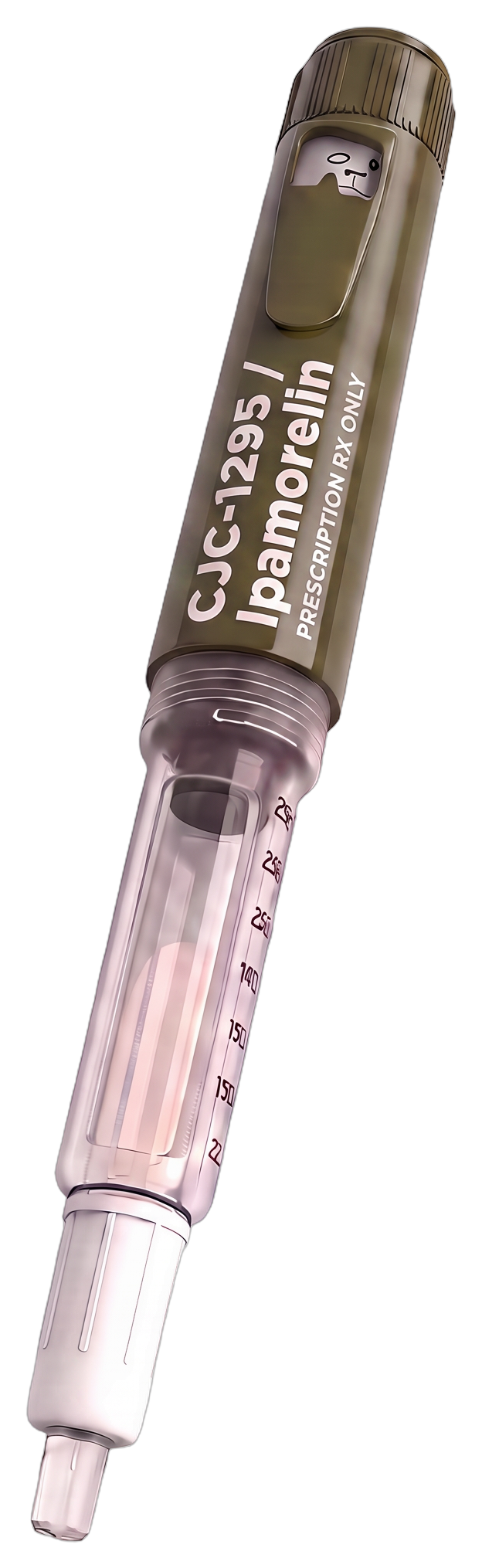
The State of Compounded Peptides: A 2026 Snapshot
Regulations around compounded peptides—custom-formulated medications like CJC-1295 / Ipamorelin / Sermorelin—are shifting rapidly as demand rises and federal oversight intensifies. If you’re considering advanced peptide therapy for growth, recovery, or anti-aging, it’s essential to understand what’s changed, what’s stable, and how this impacts your access and safety.
Why Regulatory Changes Matter
Compounded peptides have been a lifeline for patients whose goals—accelerated healing, hormonal optimization, or cellular energy—aren’t met by traditional pharmaceuticals. But their unique status means they live in a gray area between conventional drugs and dietary supplements. In 2026, this gray area is narrowing as:
- The FDA tightens monitoring of compounding pharmacies
- State boards align with new federal guidance
- Telehealth practices like [pepti] adopt stricter protocols for patient safety
Bottom line: Regulation aims to protect patients and ensure only safe, effective therapies reach you. Let’s break down what this means for the major peptides we actively prescribe.
CJC-1295 / Ipamorelin / Sermorelin: Where Do They Stand?
Blends like CJC-1295 / Ipamorelin / Sermorelin have become go-to options for advanced growth hormone support and muscle recovery. These peptides are not FDA-approved as finished drugs, but can be legally compounded for individual patients when:
- There’s a valid prescription from a licensed healthcare provider
- The compounding pharmacy follows robust quality standards (e.g., USP <797>)
- The products are not "essentially copies" of FDA-approved drugs
In 2026, these requirements are being enforced more consistently—and providers must document clinical need and monitor patient response closely. [Pepti] is at the forefront here, using physician-directed telehealth, careful documentation, and lab-verified sourcing.
What’s New and What’s The Same?
Regulatory Updates Affecting Compounded Peptides
Key 2026 changes:
- Increased oversight: More frequent inspections and reporting requirements for compounding pharmacies.
- Prescription mandates: Providers must show a legitimate medical reason for peptide prescriptions, not just "wellness" or "anti-aging" desires.
- Import/export scrutiny: Peptides and raw materials sourced overseas now face tighter customs checks and documentation.
- Telehealth verification: Online clinics are being held to stricter standards for virtual prescribing, especially for growth-related peptides.
What remains stable:
- Individualized compounding is still allowed for patients with unique needs.
- Physician-patient relationship and documented consultation is required for each script.
- Blends like CJC-1295 / Ipamorelin, Sermorelin, and Tesamorelin continue to be available where prescribers document necessity and safety.
Why Bloodwork is More Important Than Ever
With tighter oversight, baseline and follow-up blood testing isn’t just smart—it’s often required. Monitoring IGF-1, glucose, thyroid, and metabolic markers helps:
- Set a clinical baseline
- Catch side effects early
- Prove medical necessity for ongoing prescriptions
[Pepti] offers at-home and in-lab blood testing, covering core biomarkers that matter for both safety and efficacy. For new starts and ongoing therapy, expect your provider to check labs before and during treatment—this is now standard best practice.
Patient Experience: What to Expect in 2026
If you’re a patient considering compounded growth peptides, here’s how the regulatory scene shapes your experience:
- More upfront work: You’ll need to complete a medical assessment and possibly submit recent labs before starting.
- Ongoing monitoring: Periodic bloodwork will be built into your treatment plan.
- Transparency: You’ll have access to sourcing, compounding, and testing information for your medication.
- Continued access: So long as your provider documents medical need and follows protocols, you can still get advanced blends like CJC-1295 / Ipamorelin / Sermorelin.
Other Peptides Affected
These regulatory themes apply across the board to other compounded injectables such as BPC-157 (tissue healing) and Tesamorelin (visceral fat loss). Each requires a provider’s assessment, documentation, and appropriate follow-up.
What Patients Should Do Now
- Choose a reputable provider. Ensure your telehealth clinic partners with licensed U.S. compounding pharmacies.
- Be prepared for labwork. Don’t skip blood tests—they’re key for safety and compliance.
- Ask questions. Understand your medication’s sourcing, compounding process, and monitoring plan.
- Stay informed. Regulations can evolve, so check in regularly with your clinic—[pepti] keeps patients updated as guidance shifts.
Pro tip: If you’re new to peptides or returning after a break, start with a comprehensive blood test and review your biomarkers with your provider. This sets up safe, effective therapy and ensures smooth prescription renewal.
Frequently asked questions
Are compounded peptides like CJC-1295/Ipamorelin/Sermorelin still legal in 2026?
Yes, when prescribed for a legitimate, documented medical reason by a licensed provider and filled by a compliant compounding pharmacy, these peptides remain legal for individualized patient use in 2026.
Why do doctors require so much bloodwork for peptide therapy now?
Bloodwork is essential to set a clinical baseline, monitor for side effects, and meet stricter regulatory requirements. It also helps personalize the dosing and ensures the therapy is both safe and effective for you.
How do I choose a safe, compliant peptide telehealth provider?
Look for providers who require a real doctor-patient relationship, use only U.S.-licensed compounding pharmacies, and build ongoing lab monitoring into your care. Transparency about sourcing and protocols is a good sign.
Ready to discover if advanced peptide therapy is right for you? Take our free assessment at pepti.com/assessment to get started—no obligation.