The Science Behind Cal-Mag Injections
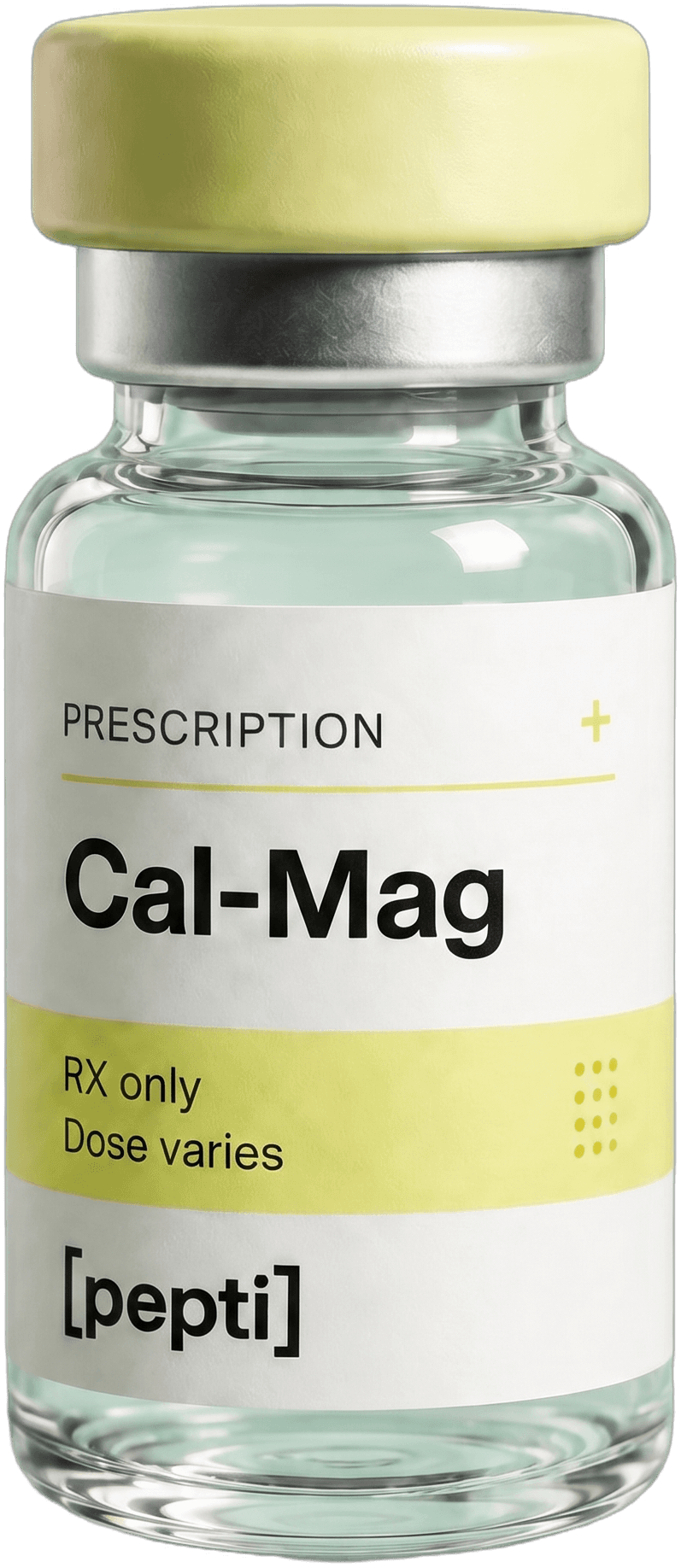
If you've ever experienced muscle cramps after a workout, tingling nerves, or just want to optimize your bone health, you've likely heard about the crucial roles of calcium and magnesium. But what actually happens when you supplement these minerals together—especially via injection? Today, we'll break down the science of Cal-Mag Injection—a prescription blend designed for muscle, nerve, and bone support.
Why Calcium and Magnesium Matter
Both minerals are absolute workhorses in the body:
- Calcium (mostly stored in bones) is essential for skeletal strength, but also powers muscle contraction and enables nerve communication.
- Magnesium regulates over 300 enzyme systems, is critical for muscle relaxation (counterbalancing calcium), and stabilizes nerve impulses.
While a balanced diet provides some calcium and magnesium, deficiencies are surprisingly common, particularly for athletes, older adults, and those with digestive issues. Oral supplements sometimes fall short due to poor absorption—a challenge Cal-Mag injections help solve.
How Cal-Mag Injections Work Mechanistically
1. Rapid and Reliable Absorption
When delivered intramuscularly or subcutaneously, Cal-Mag Injection bypasses the digestive tract. This means:
- Faster increases in blood mineral levels compared to oral supplements.
- More predictable dosing—critical for those with absorption issues (like GI disorders).
- No gastrointestinal upset (a common side effect of high-dose oral magnesium).
2. Muscle Function: From Contraction to Relaxation
Muscles contract in response to calcium influx. But if there's too much calcium—or not enough magnesium—muscles can cramp or spasm. Magnesium naturally counterbalances calcium:
- Calcium triggers muscle fibers to contract by activating the protein troponin.
- Magnesium allows muscles to relax by blocking excess calcium entry into muscle cells and helping pump it back out.
A deficiency in either mineral can cause muscle weakness, fatigue, or cramps. Cal-Mag injections provide both in a balanced ratio, supporting smooth, efficient muscle action. This is why magnesium injections (like Magnesium Injection) are sometimes used independently for severe cramps, but Cal-Mag provides a more holistic approach.
3. Nerve Transmission and Electrical Balance
Nerves send signals using electrical impulses, tightly controlled by shifting calcium and magnesium across cell membranes:
- Calcium enters nerve endings, prompting neurotransmitter release.
- Magnesium acts as a natural calcium blocker, dampening "overexcited" nerves and preventing excessive firing.
People with low magnesium can experience nerve tingling, numbness, or even arrhythmias.
4. Bone Health and Density
About 99% of your body's calcium is locked away in bones. Magnesium, meanwhile, is a key cofactor for enzymes that build new bone tissue and control bone turnover.
- Balanced intake of both minerals helps maintain optimal bone mineral density.
- Deficiencies can accelerate bone loss, increasing risk of osteoporosis, especially with age.
Cal-Mag in Clinical Context: Who Benefits Most?
Common scenarios where Cal-Mag injections shine:
- Athletes: Intense training depletes magnesium quickly; injections rapidly restore balance and aid recovery.
- Older adults: Reduced absorption and higher bone turnover raise mineral needs.
- Digestive conditions: GI disorders (like Crohn’s, celiac, or IBS) impair absorption, making oral supplements less effective.
- Certain medications: Diuretics, proton pump inhibitors, and some antibiotics can lower calcium/magnesium levels.
Note: Your [Pepti] doctor will evaluate your health history, symptoms, and—importantly—your bloodwork before recommending Cal-Mag therapy.
The Role of Blood Testing in Cal-Mag Therapy
Safe and effective mineral therapy means finding your personal "sweet spot"—not too high, not too low. That's why [Pepti] offers blood testing (with both at-home and in-lab options) to assess baseline levels of calcium, magnesium, and other relevant biomarkers.
- Baseline tests identify hidden deficiencies or imbalances.
- Follow-up tests ensure your protocol is working and stay ahead of potential side effects (like hypercalcemia or hypermagnesemia).
Always discuss with your prescribing provider before starting or changing mineral therapy.
How Cal-Mag Compares to Other Injectable Nutrients
- Magnesium Injection: Pure magnesium for targeted muscle, sleep, or stress needs—helpful if magnesium-only is indicated.
- Myers' Cocktail: A broader blend with vitamins and minerals (including calcium and magnesium), often used for chronic fatigue, migraines, and general wellness.
- Vitamin D3 Injection: Essential for calcium absorption and bone metabolism—often paired with Cal-Mag for bone health protocols.
Key Mechanisms—At a Glance
- Muscle contraction/relaxation: Ca2+ in, Mg2+ out
- Nerve transmission: Ca2+ triggers, Mg2+ modulates
- Bone mineralization: Both build strong bones
Quick Tip: Most adults need 1000–1200mg calcium and 300–400mg magnesium daily. Injections aren't for routine supplementation, but for correcting deficiencies or supporting special situations.
Frequently asked questions
How quickly do Cal-Mag injections work?
Most people notice benefits like reduced muscle cramps or improved recovery within days to a week. Your response depends on your baseline mineral status and overall health. Always follow your provider's guidance and check levels regularly.
Are Cal-Mag injections safe for everyone?
While generally well-tolerated, Cal-Mag injections are not for everyone. People with kidney dysfunction, certain heart conditions, or those on specific medications should be cautious. Bloodwork and medical supervision are essential for safety.
Should I still take oral calcium or magnesium if I get injections?
Your doctor will tailor your protocol based on your blood test results. In some cases, injections are used to quickly restore levels, then maintenance may continue with diet or oral supplements. Never double-up without consulting your provider or your [Pepti] care team.
Ready to see if Cal-Mag or another peptide protocol is right for you? Take the free Pepti assessment here to get started and connect with a provider.