The Basics: Why Bloodwork Matters for Peptide & Hormone Therapy
Embarking on a peptide or hormone therapy journey—whether for fat loss, energy, healing, or wellness—should always begin with a clear understanding of your body’s current state. That’s where baseline bloodwork comes in. At [pepti], every doctor-prescribed protocol is tailored using real data from your blood tests, which help:
- Establish your starting point (baseline)
- Identify hidden issues (thyroid, nutrient, or metabolic imbalances)
- Track safety and effectiveness over time
Pro tip: Baseline and follow-up bloodwork are essential for maximizing results and minimizing risks with any peptide, hormone, or metabolic therapy. Discover more about our blood testing options and see all biomarkers we test.
At-Home Blood Testing: Convenience Meets Clinical Insight
How It Works
At-home blood testing has made comprehensive health monitoring easier than ever. Here’s what to expect:
- Kit arrives at your door: Pepti sends a physician-reviewed test kit, usually including everything needed for easy fingerstick or small sample collection.
- Sample collection: You collect your sample at home following included instructions (often a small blood draw via lancet).
- Return shipping: Drop your sample in the mail using pre-paid packaging.
- Lab analysis: Accredited labs process your sample. Results are digitally sent to your pepti provider.
Pros & Cons
Advantages:
- Ultra-convenient—no lab visits
- Minimal time commitment
- Comfortable, private setting
- Useful for routine hormonal, metabolic, and nutrient panels
Potential Downsides:
- Limited sample volume (may restrict certain advanced testing)
- Not ideal if you dislike fingersticks or need extensive panels
- Rarely, samples may be insufficient—re-draw required
In-Lab Blood Testing: The Gold Standard for Comprehensive Assessment
How It Works
In-lab blood testing involves visiting a local partner draw site, where a trained phlebotomist takes your sample—usually from a vein. Results are sent directly to your pepti-affiliated doctor.
Pros & Cons
Advantages:
- Larger sample volume enables extensive, specialized panels
- Gold standard for complex hormone, metabolic, or deep-dive nutrient tests
- No need to self-collect
Potential Downsides:
- Requires scheduling and travel
- Less privacy and convenience
- May be a barrier for those with mobility or time constraints
Which Is Right for You?
The answer depends on your health goals, personal preferences, and what your doctor recommends. For example:
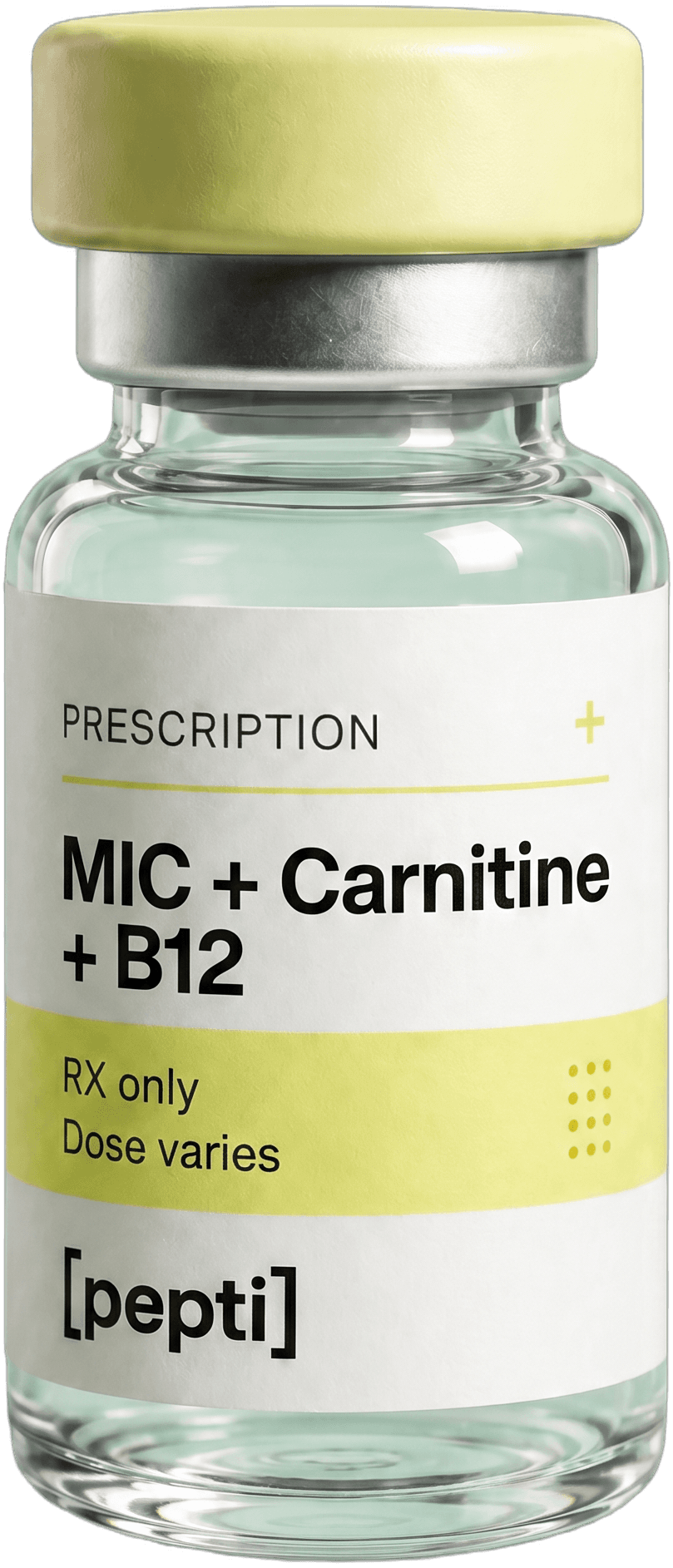
- Starting a lipotropic fat-metabolism protocol: If you’re considering a product like MIC + Carnitine + B12 (Injectable), baseline bloodwork helps screen for vitamin B12 deficiency, liver status, and metabolic risk factors—key for safe, effective fat metabolism support.
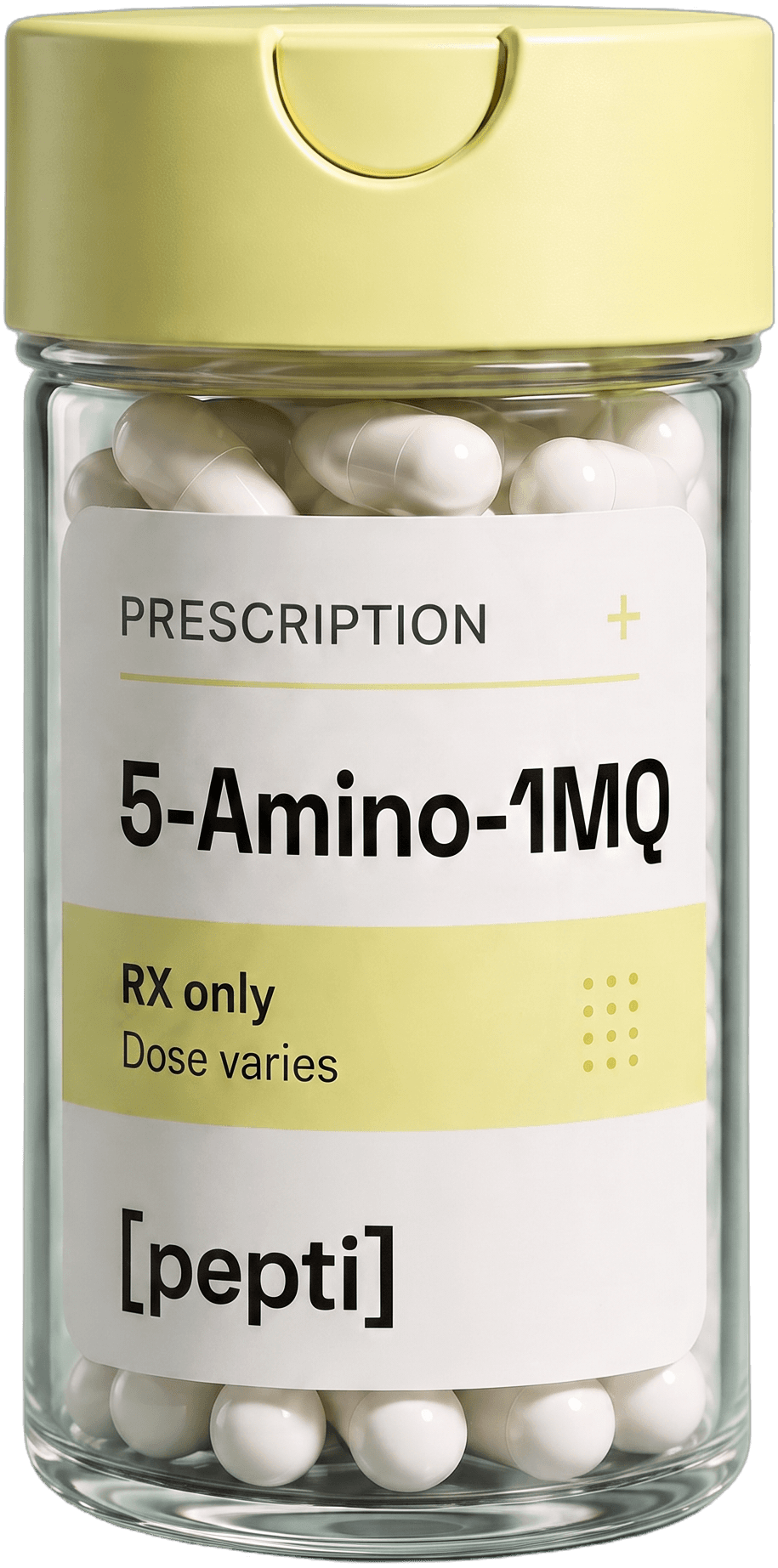
- Evaluating metabolic or weight management therapies: Starting Semaglutide or 5-Amino-1MQ? Blood tests help confirm metabolic health, track improvements, and watch for rare side effects.
- Monitoring overall wellness: For ongoing therapies (energy, hormone balance, or longevity), follow-up bloodwork every few months ensures you’re hitting your goals—safely.
Good to know: Pepti includes a standard bloodwork panel free if your doctor requires it. You can choose between at-home and in-lab options to best fit your lifestyle and medical needs.
Why Baseline and Follow-Up Labs Are Non-Negotiable
It’s tempting to skip bloodwork or only test once, but here’s why that’s a risky move:
- Initial baseline: Catches underlying issues, sets a reference point
- Follow-up labs: Track progress, adjust dosages, and ensure safety
- Peace of mind: Confirms your protocol is working as intended
This isn’t just about compliance—regular labs help your pepti provider customize your regimen and catch problems before they start. Explore our blood testing process and the biomarkers we test for a deeper dive.
Frequently asked questions
Is at-home blood testing as accurate as in-lab draws?
For most common hormonal, metabolic, and nutrient tests, at-home kits analyzed in accredited labs provide results comparable to traditional in-lab draws. However, extremely complex or uncommon tests may still require venous blood samples done in-lab.
How often should I repeat bloodwork during peptide or hormone therapy?
Most pepti protocols recommend baseline labs, a follow-up in 8–12 weeks, and then every 3–6 months depending on your therapy and goals. Your provider will tailor a schedule based on your health profile and treatment plan.
Can I switch between at-home and in-lab testing?
Absolutely. Many patients start with at-home kits, then opt for in-lab draws if more advanced testing is needed (or vice versa for convenience). Your pepti care team will help you select the best option at each step.
Ready to start your personalized peptide or wellness protocol? Take the free assessment at pepti’s online intake today!