The Foundation of Personalized Peptide & Hormone Therapy
If you're exploring peptide or hormone therapy—whether your goal is weight loss, anti-aging, better skin, or hormone optimization—there’s one step many people underestimate: comprehensive bloodwork. At [pepti], physician-reviewed blood testing (with at-home kits or in-lab draws) is a cornerstone of our protocols. But why is bloodwork so important before and during treatments like Skin+ (Multi-Active Rx), Semaglutide, or hormone therapies like Testosterone Cypionate?
Let’s break down why bloodwork is non-negotiable for both safety and results.
What Does Baseline Bloodwork Tell Us?
Before starting any peptide or hormone therapy, your baseline bloodwork creates a detailed map of your current health. This includes:
- Hormone levels (testosterone, estrogen, thyroid, etc.)
- Metabolic factors (glucose, lipids, liver function)
- Inflammatory markers
- Nutrient status (vitamin D, B12, trace minerals, etc.)
Why it matters:
- Identifies underlying issues that could impact your safety or therapy effectiveness
- Allows your prescriber to tailor dosages and protocols specifically for YOU
- Prevents "blind spots"—for example, starting thyroid support when another cause is responsible for symptoms
Learn more about biomarkers we test.
Why Ongoing Bloodwork Matters (Not Just at the Start)
Peptide and hormone therapies can change how your body works—for the better, when managed well. But they also require periodic checks to avoid unexpected shifts or side effects. Here’s what ongoing monitoring delivers:
- Safety: Early detection of rare but serious effects (like changes in liver enzymes or blood counts)
- Effectiveness: Confirmation that therapy is moving your numbers in the right direction
- Fine-tuning: Data to adjust your program as your body adapts
Example:
- On Testosterone Cypionate? Follow-up labs check not just testosterone, but also hematocrit, lipids, and estradiol, since imbalances in these markers can affect your health and how you feel.
- Using a skin blend like Skin+ (Multi-Active Rx)? NAD+ and copper (GHK-Cu) can influence cellular repair and antioxidant status, so monitoring relevant nutrients ensures you get the most from treatment.
How Often Should You Get Bloodwork?
- Baseline: Always before starting a new protocol.
- Early Follow-Up: 6-12 weeks after starting, to catch early changes.
- Ongoing: Every 3-6 months (as advised by your provider), or sooner if doses change.
[pepti] makes this easy with both at-home blood testing kits and the option for in-lab draws. If your doctor decides bloodwork is required, a standard panel is included free.
What Happens If You Skip Bloodwork?
- Inaccurate dosing: You may get too much or too little of a medication, reducing results or increasing risk.
- Missed side effects: Problems like elevated liver enzymes or suppressed natural hormones can go unnoticed—until symptoms appear.
- Wasted time and money: Therapy isn’t optimized to your real needs, so progress stalls.
Bottom line: Bloodwork isn’t just a formality—it’s your ticket to a program that works for YOU, not just for the "average person."
Sample Panel: What’s Measured, and Why
Depending on your therapy, a typical panel may include:
- Hormones: Testosterone, estradiol, progesterone, thyroid hormones (TSH, T3, T4)
- Metabolic: A1c, fasting glucose, cholesterol, liver/kidney function (ALT, AST, BUN, creatinine)
- Nutrients: Vitamin D, B12, ferritin, zinc, magnesium, selenium
- Inflammation & others: CRP, CBC
See all biomarkers we test to understand what each marker tells your care team.
Product Spotlights: How Bloodwork Guides Safe Use
Skin+ (Multi-Active Rx)
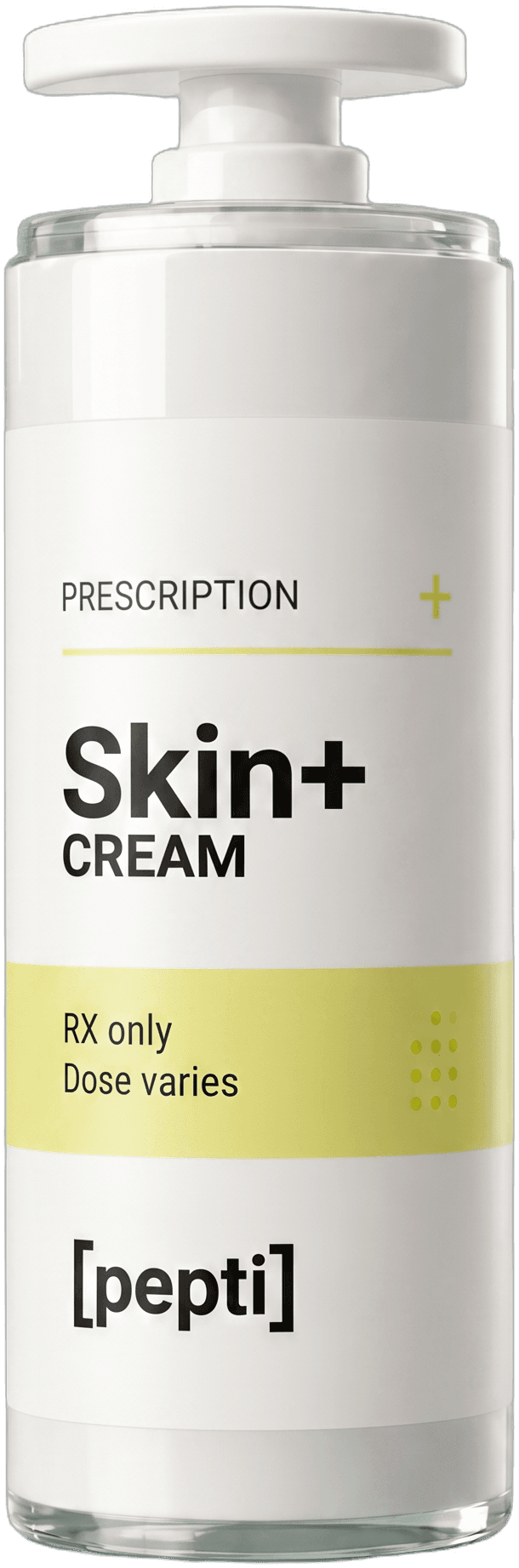
This powerful skin blend combines Tretinoin, GHK-Cu, and NAD+. Baseline and follow-up bloodwork check for nutrient status, antioxidant capacity, and any potential changes related to systemic absorption or interactions with other treatments.
Semaglutide
A trusted GLP-1 for medical weight management, semaglutide can affect glucose metabolism and even liver function. Blood panels ensure you start with healthy baselines and monitor for any shifts as you lose weight.
Testosterone Cypionate
Testosterone replacement therapy demands careful monitoring—not just testosterone, but also estradiol, hematocrit, and cardiovascular markers. This ensures healthy hormone balance, supports mood, and keeps your red blood cells in a safe range.
Key Takeaways
- Baseline bloodwork sets your roadmap.
- Follow-up bloodwork fine-tunes your journey.
- Skipping bloodwork is like flying blind.
- [pepti] offers seamless blood testing for every step.
Frequently asked questions
How do I get bloodwork with [pepti]?
After your online consultation, your provider will order any necessary labs. You’ll get a choice of at-home collection or in-lab draw, and required panels are included free if part of your program.
Can I start peptide or hormone therapy without bloodwork?
In most cases, no—responsible providers require baseline labs for your safety. This ensures your protocol is personalized, dosed correctly, and safe to start.
How much bloodwork will I need?
Typically, you'll do a baseline panel before starting and follow-up panels every 3-6 months. Your exact schedule depends on your therapy type, goals, and medical history.
Ready to get started? Take the free assessment at pepti and see which protocols—and bloodwork—are right for you.