Why More People Are Talking to Their Doctors About Peptides
If you've heard about peptides—especially advanced options like Tirzepatide (Oral) for weight management and metabolic health—you're not alone. With innovative, needle-free options now available, more patients than ever want to know if peptide therapy is right for them. But how do you even start that conversation with your doctor?
This guide empowers you to confidently discuss peptide therapy, understand what questions to ask, and get the most out of your doctor visit. We'll focus on oral Tirzepatide, but the same strategies apply to a range of peptide options.
What is Peptide Therapy—And Why Should You Care?
Peptides are short chains of amino acids that act as signaling molecules—think of them as messengers telling your body to burn fat, heal faster, balance hormones, or even increase energy. Medical peptide therapy leverages these signals for targeted, prescription-level effects. Popular examples include:
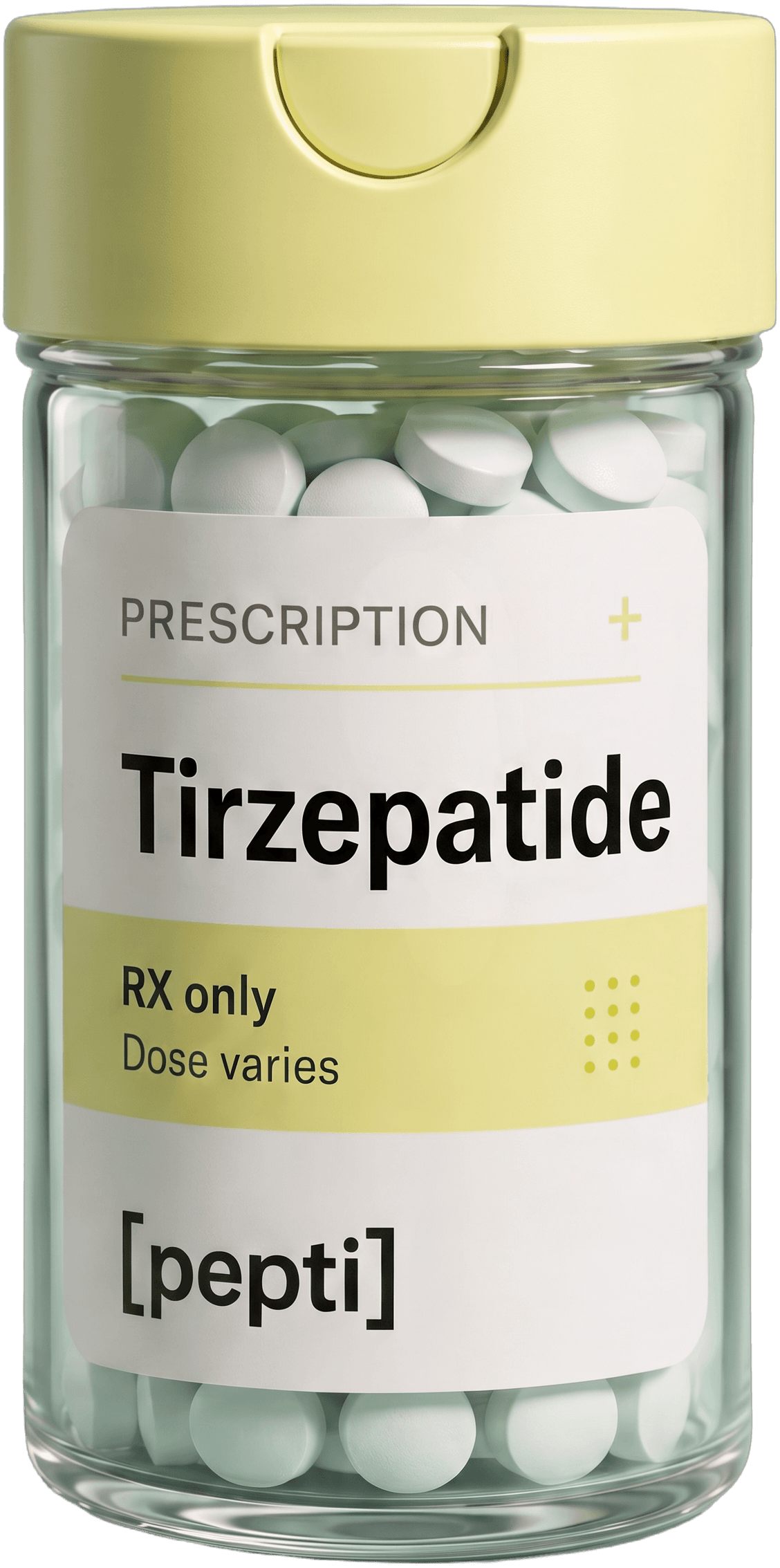
- Tirzepatide (Oral): Dual GIP/GLP-1 agonist for advanced, needle-free weight loss
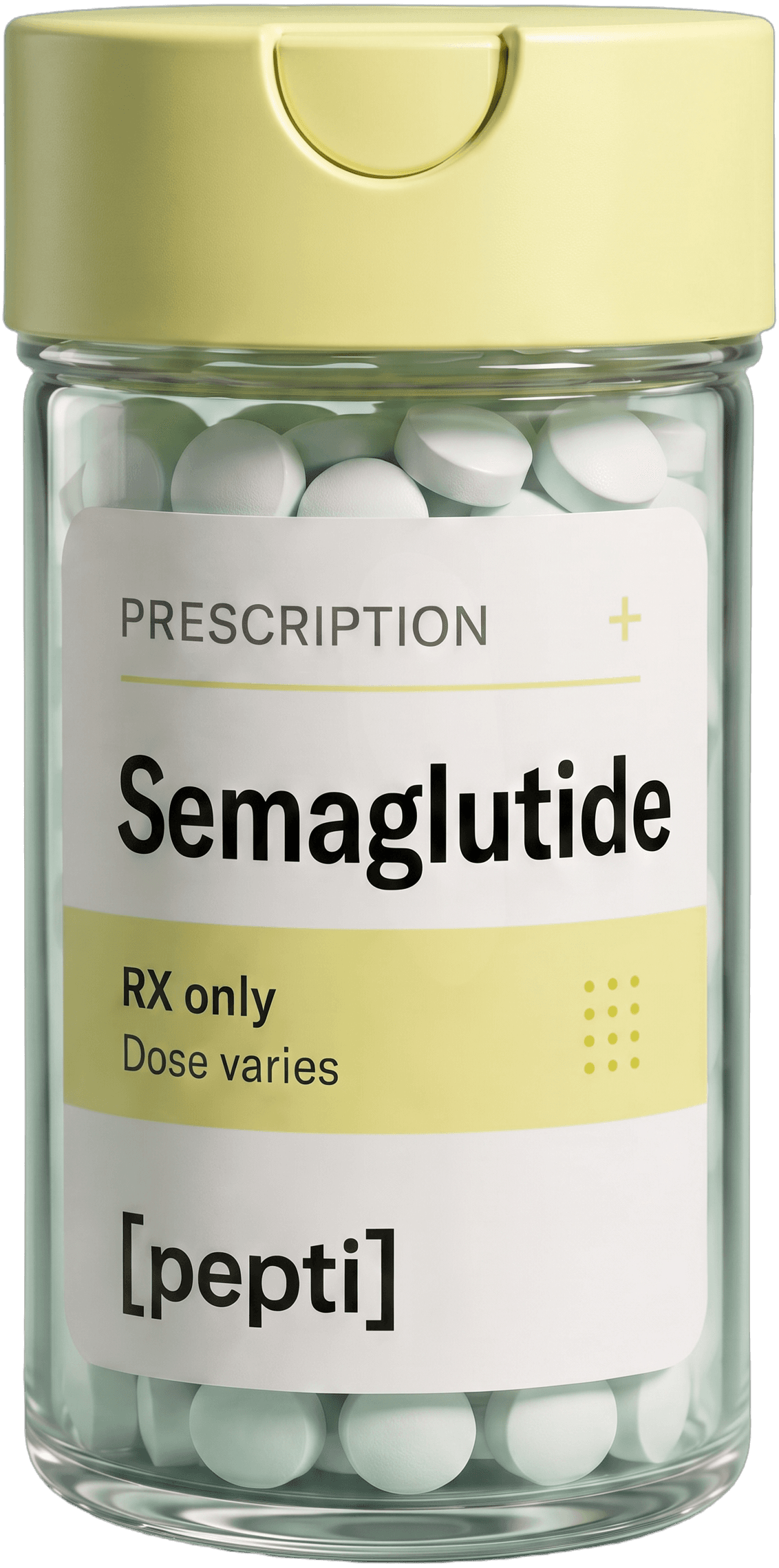
- Semaglutide (Oral): Classic GLP-1 weight management in convenient capsules
- BPC-157 Oral Capsules: For gut healing and recovery
Why bring this up with your doctor? Because peptides offer new answers where traditional treatments may fall short, especially for metabolic, weight, and gut issues. They can also be highly individualized—making it crucial to get expert guidance.
Before Your Appointment: Do Your Homework
A little preparation goes a long way. Here's what you can do before you see your doctor:
- Research peptide options: Understand how Tirzepatide (Oral) works, its benefits, and who typically qualifies.
- Know your goals: Is it weight loss, metabolic reset, or appetite control? Be clear about what you're hoping to achieve.
- Review your health history: Bring notes on previous weight loss efforts, medications, and relevant medical conditions.
- Consider baseline testing: Comprehensive bloodwork (like Pepti's blood testing) can help tailor therapy and track safety over time.
At Your Appointment: How to Start the Conversation
Not sure how to kick things off? Try these openers:
- "I've been reading about prescription peptide therapy, especially oral Tirzepatide. Is this something you prescribe or would consider for my situation?"
- "How does peptide therapy fit alongside traditional options for weight management?"
- "Can we discuss baseline bloodwork, and what labs you'd want to monitor if I tried this?"
Key Questions to Ask Your Doctor
- Is oral Tirzepatide (or another peptide) appropriate for my health status?
- What lab tests or baseline biomarkers do you recommend before starting?
- How often will we follow up and retest to monitor safety and progress?
- What side effects should I watch for?
- Are there interactions with my current medications?
Tip: If your doctor isn't familiar with peptides, show them reputable resources. [Pepti] provides detailed product pages and science-backed guides that clinicians appreciate.
Why Blood Testing Matters Before and During Peptide Therapy
Comprehensive bloodwork is more than a formality—it's your safety net. Baseline labs (included free via Pepti's blood testing if prescribed) help:
- Establish your starting point for metabolic, hormonal, and nutrient status
- Reveal potential contraindications or risk factors
- Guide dosing and monitor for rare side effects
- Track improvements in key biomarkers over time for measurable progress
Follow-up bloodwork ensures therapy remains safe and effective—no guesswork, just data-driven care.
If Your Doctor Isn't Familiar With Peptides
It happens! Peptide therapy is advancing fast, and not every clinician is up to date. You can:
- Mention Pepti’s clinical protocols and published science they can review
- Ask if they're open to consulting with a peptide-experienced provider (Pepti offers physician-led telehealth)
- Seek a second opinion from a clinician specializing in metabolic or hormone therapies
Next Steps: What to Expect If You’re a Good Candidate
If your doctor agrees to explore peptide therapy, here’s the typical process:
- Comprehensive health review and baseline bloodwork
- Individualized prescription for your chosen peptide (e.g., Tirzepatide (Oral))
- Ongoing support, with follow-up labs and dose adjustments as needed
- Progress tracking using symptoms and repeat testing of key biomarkers
[Pepti] also offers at-home or in-lab blood collection—making the process convenient and seamless.
Frequently asked questions
What makes oral Tirzepatide different from injectable options?
Oral Tirzepatide delivers dual GIP/GLP-1 effects without the need for needles. This makes it an attractive choice for those who prefer a pill to injections, while maintaining powerful metabolic and appetite-regulating actions.
Do I need bloodwork before starting peptide therapy?
Yes—baseline bloodwork is a must for personalized, safe peptide or hormone therapy. It helps your provider screen for potential issues, optimizes your starting plan, and provides a reference for tracking progress and safety. Learn more about blood testing and the biomarkers we track.
What if my regular doctor isn't familiar with peptides?
If your provider isn’t comfortable prescribing peptides, don't be discouraged. Consider seeking guidance from a peptide-literate telehealth practice like [Pepti], where clinicians specialize in these therapies and offer full support—from bloodwork to prescriptions and follow-up.
Ready to see if peptides like oral Tirzepatide could be right for you? Take Pepti’s free assessment at pepti.co/assessment to get started.