Semax Nasal Spray: Fact-Checking the Hype
As nootropics gain mainstream attention, Semax Nasal Spray is cropping up in tech circles, medical clinics, and wellness blogs alike. Billed as a cognitive enhancer, Semax evokes curiosity—and confusion. Does it really boost brainpower? Is it addictive? Unsafe? Let’s look at the facts and clear up common myths.
What Is Semax, and How Is It Used?
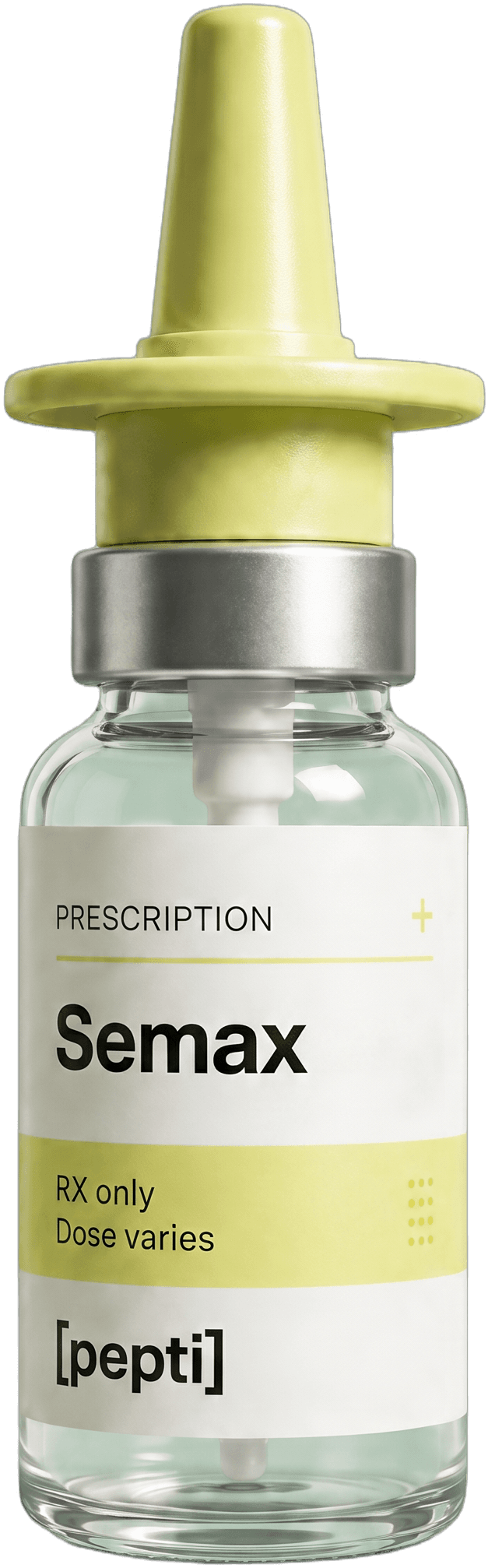
Semax is a synthetic peptide originally developed in Russia for neurological conditions. It’s used clinically there to support cognitive recovery after events like strokes and traumatic brain injuries. In the U.S., Semax is available via telehealth platforms like [pepti] for cognitive enhancement, productivity, and focus, prescribed by doctors when appropriate. It’s delivered as a nasal spray, bypassing the gut and delivering the peptide directly to the brain via the olfactory nerve.
Busting 5 Persistent Myths About Semax Nasal Spray
Myth 1: "Semax Is Basically Like Adderall or a Stimulant"
Truth: Semax does not act like Adderall or traditional stimulants. Unlike amphetamines, Semax is not habit-forming or addictive, and does not spike heart rate or blood pressure. Instead, it’s thought to support brain function by increasing BDNF (brain-derived neurotrophic factor) and modulating neurotransmitters—without the classic stimulant side effects like jitters or insomnia.
Myth 2: "Semax Is Only for Sick People—Not Healthy Adults"
Truth: While developed for clinical use in recovery from brain injuries, studies and real-world experience support Semax’s potential in healthy adults for:
- Enhancing attention and focus
- Cutting through brain fog
- Supporting memory formation
- Improving resistance to mental fatigue
Many prescribed users are busy professionals, students, or those seeking a brain edge—not just those with medical diagnoses.
Myth 3: "You’ll Feel the Effects Instantly—Or Not at All"
Truth: Some users do report a rapid sense of mental clarity or focus. However, Semax’s benefits are often subtle and build over several days to weeks. Unlike caffeine or traditional stimulants, you may not get an immediate “kick.” Instead, look for improved sustained attention, recall, or productivity over time.
Myth 4: "Semax Isn’t Backed by Research—It’s Just Anecdotal"
Truth: Over 20 years of clinical research (mostly outside the U.S.) has explored Semax for neuroprotection, cognitive recovery, and focus. While large-scale U.S. studies are limited, multiple clinical trials and animal studies show Semax’s effects on BDNF, attention, and mental performance. It’s prescribed by doctors in Russia and used off-label by physicians globally.
Myth 5: "If Semax Works, You Don’t Need to Track Anything Else"
Truth: Cognitive performance is multi-factorial. Underlying hormone, metabolic, thyroid, or nutrient deficiencies can also impact focus, mood, and energy. That’s why [pepti] clinicians often recommend blood testing before and during peptide therapy—especially if you’re starting a protocol for focus, fatigue, or brain fog. Checking biomarkers helps ensure there’s not an underlying issue derailing results, and provides a personalized baseline to measure progress.
How Semax Nasal Spray Compares to Other Cognitive Peptides
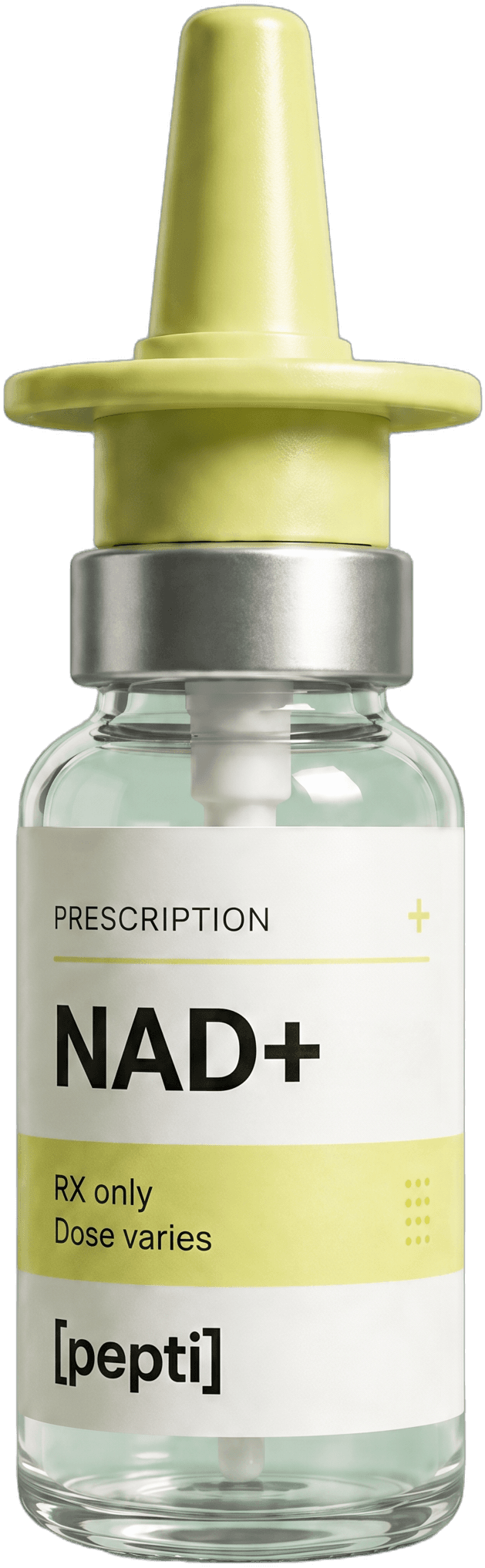
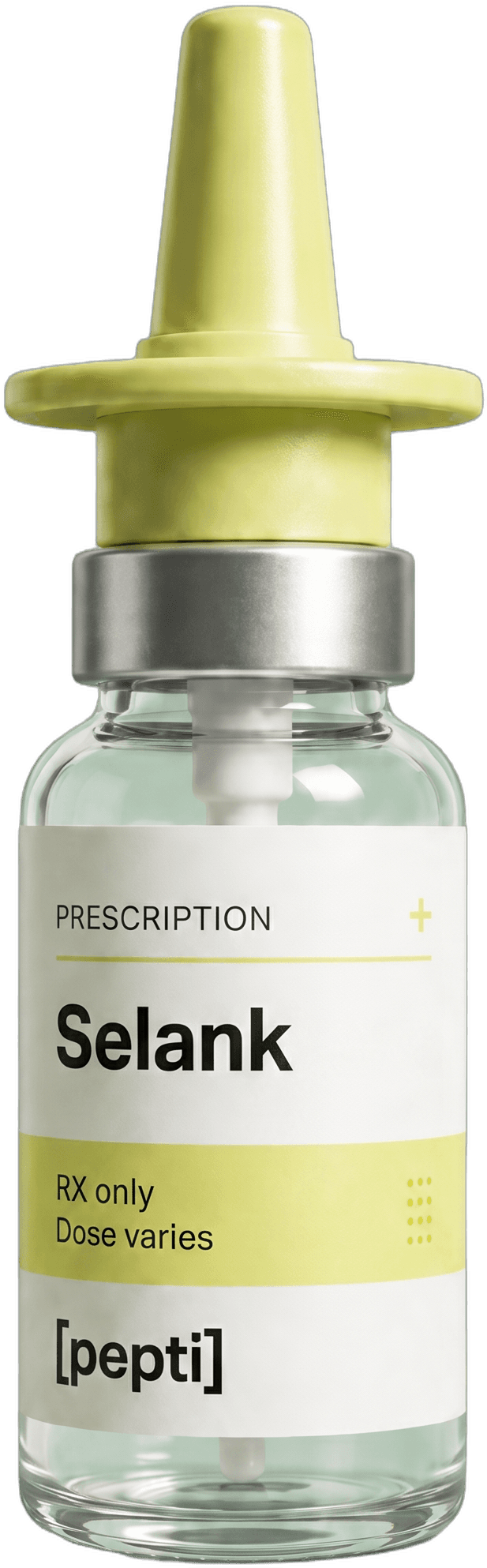
Semax isn’t alone in the cognitive peptide field. For example, Selank Nasal Spray is another doctor-prescribed nasal peptide favored for focus and calm, often stacked with Semax for a synergistic effect. NAD+ Nasal Spray supports cellular energy and may further enhance mental clarity, while injectable options like CJC-1295 / Ipamorelin are geared more toward growth, sleep, and anti-aging. The key? Finding the right peptide for your unique brain and lifestyle, ideally with a doctor’s guidance.
Safety, Side Effects, and Sensible Use
Semax is generally well-tolerated in both research and clinical use. Reported side effects are rare and typically mild:
- Occasional nasal irritation
- Mild headache
- Short-lived mood changes
Unlike stimulants, Semax does not cause dependency, withdrawal, or cardiovascular risk. As with any prescription therapy, it should be used under medical supervision, with a clear protocol and regular check-ins.
Quick tip: Keep your provider updated on side effects or changes in how you feel. Adjustments in dose or stacking with other peptides (like Selank) can optimize results.
Key Takeaways: Semax Nasal Spray Myths, Debunked
- It is not a stimulant or addictive drug.
- It can benefit healthy adults—not just those with neurological disease.
- Effects are often subtle and cumulative, not always instant.
- There is real scientific research underpinning its use.
- Bloodwork and holistic health tracking optimize safety and success.
Frequently asked questions
How quickly will I notice results with Semax Nasal Spray?
Most people begin to notice subtle cognitive improvements within several days, with benefits typically building over 2–4 weeks of consistent use. Immediate effects are possible but less common; track your focus and memory over time for best results.
Can Semax be combined with other peptides for better results?
Yes, Semax is often stacked with other doctor-prescribed peptides such as Selank Nasal Spray or NAD+ Nasal Spray for synergistic support of focus, calm, or cellular energy. Discuss with your Pepti provider before stacking to ensure compatibility and safety.
Is regular bloodwork really necessary if I feel fine?
Even if you feel healthy, underlying nutrient, hormone, or metabolic imbalances can impact cognitive function and peptide response. Blood testing and monitoring biomarkers allow your provider to optimize your protocol and catch any issues early—making your therapy safer and more effective.
Ready to see if Semax or another cognitive peptide is right for you? Take our free assessment at pepti to get matched with your personalized protocol.