Hydroquinone Cream: Clearing Up Common Misconceptions
Prescription-strength Hydroquinone Cream is a gold-standard treatment for stubborn hyperpigmentation, melasma, and dark spots. But with popularity comes confusion—and the internet is full of myths about what hydroquinone can and can't do. Let’s tackle the most common misconceptions, so you can make informed skin care decisions with [pepti]’s guidance.
Myth 1: Hydroquinone is Unsafe for All Skin Types
Fact: Hydroquinone has been used in dermatology for decades, and when prescribed and monitored by a doctor, it's considered safe and effective for many skin types. The FDA has approved 4% hydroquinone as a prescription treatment in the US. Most side effects—like mild irritation or dryness—are temporary and often resolve with use of moisturizers or by following your doctor’s usage instructions.
- People with very sensitive skin or pre-existing irritation should discuss risks with their provider.
- Proper sun protection is essential while using hydroquinone, as your skin can be more sun-sensitive.
Pro tip: Always follow your provider's instructions and report any unexpected reactions—skin health is highly individual.
Myth 2: Hydroquinone Cream Causes Permanent Skin Bleaching
Fact: Hydroquinone works by inhibiting tyrosinase, the enzyme involved in melanin production. This means it can fade existing hyperpigmentation, but it doesn’t bleach healthy skin or cause permanent loss of pigment.
- Proper use targets areas of excess melanin, blending them into your natural skin tone over time.
- The effects are reversible: when you stop using hydroquinone, pigment production resumes.
Remember: Results depend on consistency, sun avoidance, and addressing triggers (like acne or hormone changes).
Myth 3: You’ll Get Addicted or Dependent on Hydroquinone
Fact: There’s no evidence that hydroquinone is chemically addictive, nor does your skin develop a dependency requiring “more and more” product over time.
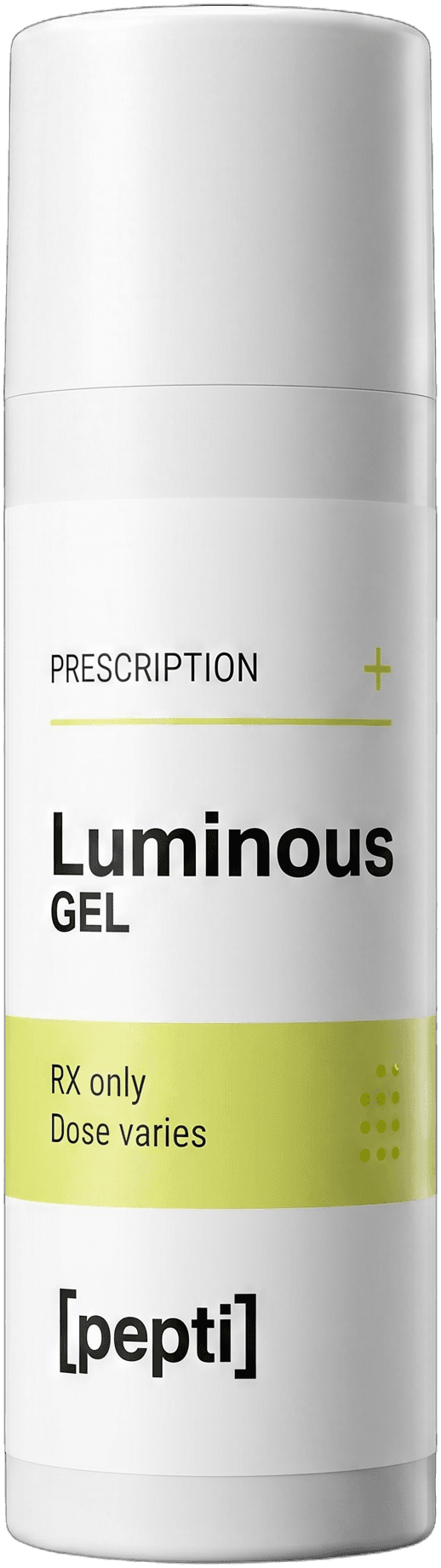
What sometimes happens: if you discontinue hydroquinone before the cause of your pigment (e.g., sun exposure, hormones, acne) is managed, dark spots may return. This isn’t addiction—just recurrence. That’s why many dermatologists recommend a maintenance plan, which might include alternative brighteners like Luminous Brightening Gel or sun protection.
- Many patients use Hydroquinone Cream for 2-4 months, then take a break or switch to another topical.
- Long-term, your doctor will help you avoid overuse and rotate treatment if needed.
Myth 4: Over-the-Counter Products Are Just as Good as Rx
Fact: Prescription hydroquinone creams contain 4% active ingredient—twice the strength of most over-the-counter products. OTC options are limited to 2% or less, and are less effective for stubborn or deep discoloration. With prescription therapy, you get:
- Stronger, faster results for complex or resistant cases
- Medical oversight for safe, effective use
- Ability to combine with other actives like Clarity Cream (for acne-prone or inflamed skin)
Myth 5: You Don’t Need Medical Supervision
Fact: Hydroquinone is powerful, and safe results depend on expert monitoring. Doctors will tailor your regimen, monitor side effects, and advise on sun protection and adjunct treatments. At [pepti], all prescriptions are doctor-reviewed and your progress is checked over time—so you don’t have to guess and hope.
Bloodwork is not required for hydroquinone. However, for many peptide, hormone, or metabolic therapies, baseline and follow-up blood testing ensures safe, personalized treatment. Curious about what we test? See our biomarkers panel.
How to Use Hydroquinone Cream Safely (and Get Results)
- Apply as directed: Usually once daily to clean, dry skin. Don’t overuse.
- Limit use to target areas: This minimizes irritation and keeps skin tone even.
- Commit to sun protection: Use sunscreen (SPF 30+) daily—no exceptions.
- Hydrate your skin: Pair with a gentle moisturizer.
- Monitor your results: Most people see improvement within 8-12 weeks.
- Take breaks: Your provider may recommend a “drug holiday” after 3-4 months.
If you’re curious about other prescription options for skin tone, GHK-Cu Topical Cream is a peptide-powered moisturizer with anti-aging benefits, and can be part of a long-term maintenance plan.
Frequently asked questions
How long should I use hydroquinone cream?
Most dermatologists recommend using Hydroquinone Cream for 2-4 months. After your provider sees satisfactory results, you’ll likely be advised to take a break or switch to a maintenance routine. This helps prevent irritation and maintains healthy pigment balance.
Can hydroquinone cream treat all types of discoloration?
Hydroquinone is most effective for sunspots, melasma, and post-inflammatory hyperpigmentation (like acne marks). For resistant cases or multiple types of discoloration, your provider may suggest combining it with other actives such as Luminous Brightening Gel for a synergistic effect.
What happens if I stop using hydroquinone cream suddenly?
Your skin gradually resumes normal melanin production, and old triggers (like sun exposure or acne) can cause pigment to come back. This isn’t dangerous, but it’s a good reason to stick with maintenance strategies, including daily sun protection and regular provider check-ins.
Ready to reveal your healthiest, brightest skin? Start your journey by taking the free assessment at pepti and get matched with the best prescription options for you.