— Ranked guide · 2026
Best Peptides for Recovery and Healing
Recovery peptides accelerate the body's natural healing cascade through targeted mechanisms: some drive angiogenesis at injury sites, others mobilize systemic cell migration, control inflammation, or stimulate collagen synthesis. Together they form one of the most-prescribed treatment categories in functional medicine for soft-tissue injuries, post-surgical recovery, and gut healing. This guide ranks the top recovery protocols based on mechanism, clinical evidence, and real-world response patterns from Pepti's physician network. All protocols require a free intake review by a licensed US physician.
The shortlist
— How they compare
Ranked on the evidence,
not the margin.
- 1
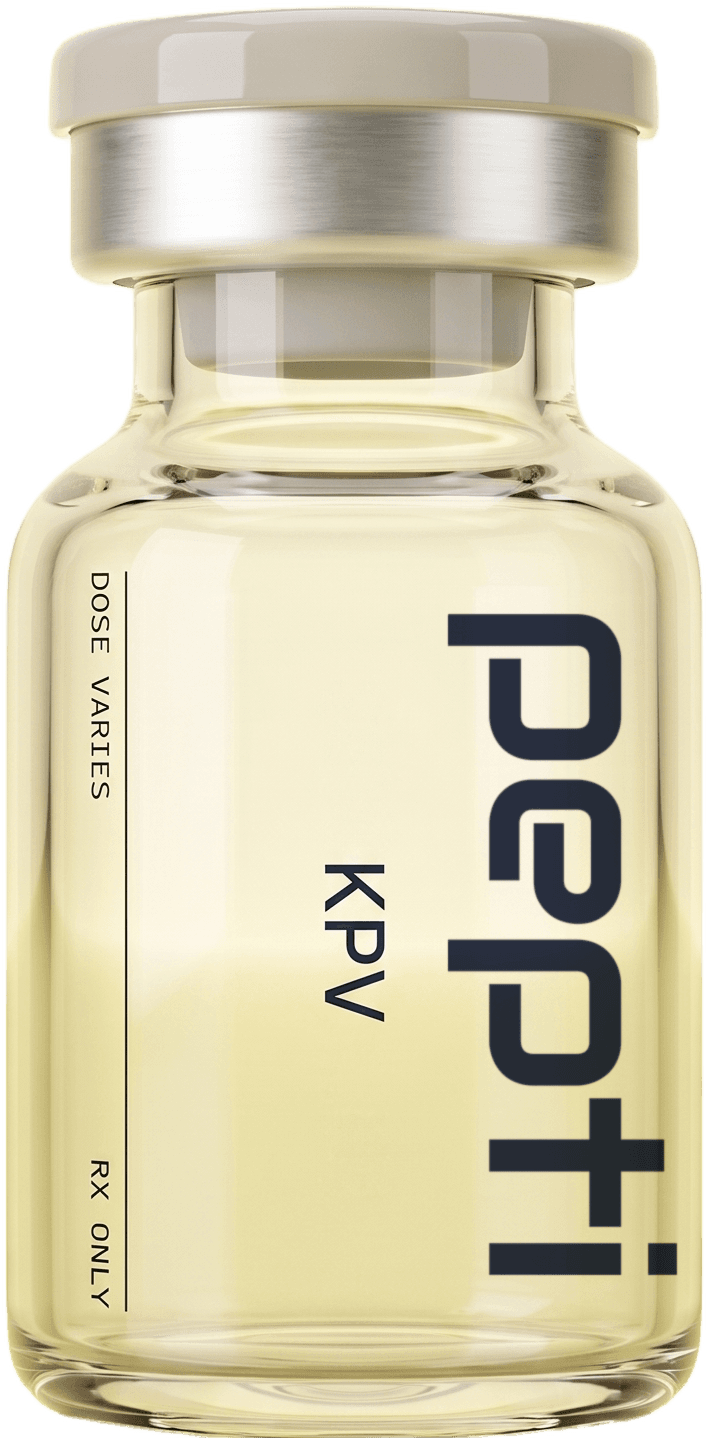 KPV (Injectable)$229
A pure anti-inflammatory tripeptide that selectively calms the inflammatory response without immunosuppression. A cornerstone of many recovery protocols for soft-tissue and gut healing.
Best forSee the full KPV (Injectable) protocolInflammatory conditions, chronic skin issues, and gut recovery.
- 2
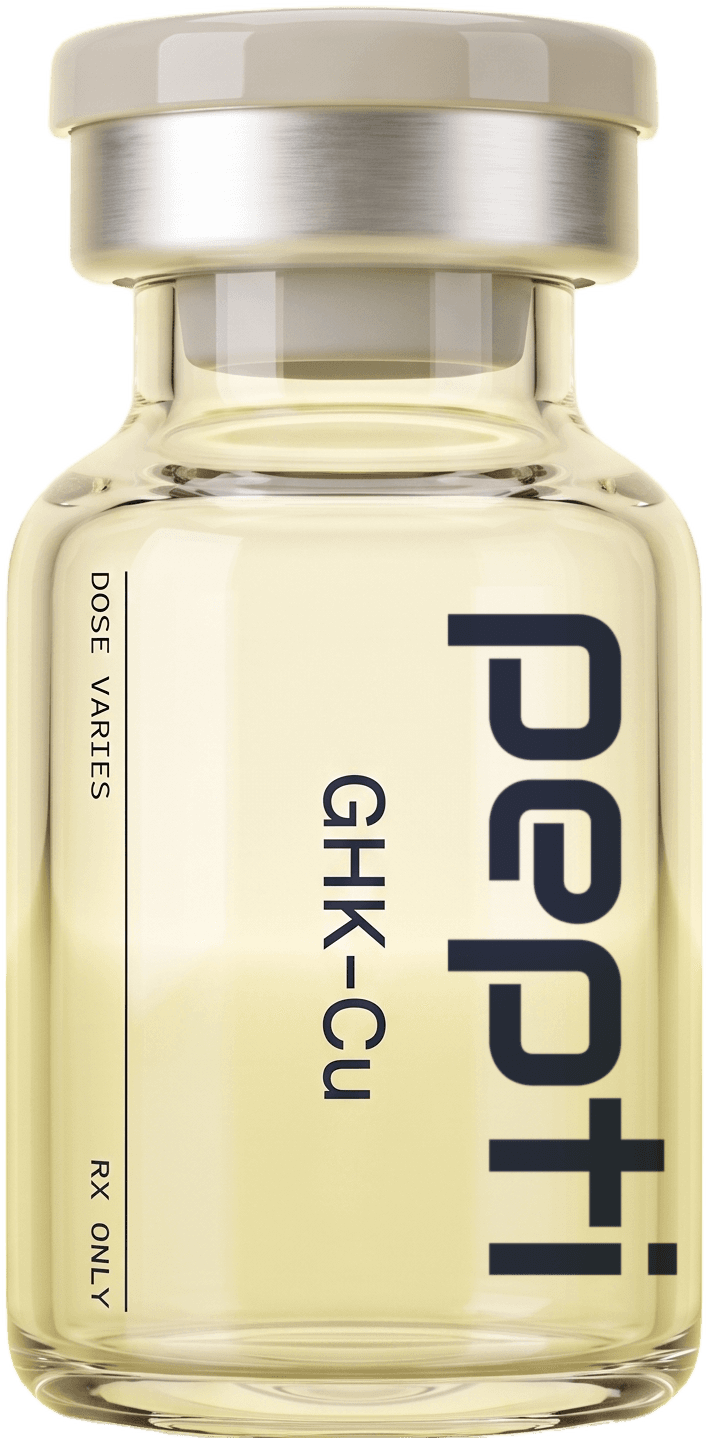
Copper peptide studied for 40+ years. Drives collagen synthesis and supports tissue remodeling — useful across recovery, skin, and hair protocols.
Best forSee the full GHK-Cu (Injectable) protocolCollagen support, skin and tissue repair, and multi-purpose recovery.
Not sure where to start
A physician picks. Not a quiz.
Take the free 60-second assessment and a licensed physician reviews your history, then recommends the protocol that fits your goals — or tells you none of them do.
Start free assessment— Common questions
Which peptide is best for tendon injuries?
Recovery peptides are the most-prescribed option for tendon and soft-tissue injuries, with mechanisms well-documented for tendon-to-bone healing in preclinical research. Your physician will match the protocol to your injury.
How long does a recovery peptide course last?
Most protocols run 4-8 weeks at therapeutic dosing, followed by a maintenance phase or break. Your physician will tailor duration to your injury severity and response.
Can I use recovery peptides alongside physical therapy?
Yes — and most sports medicine physicians recommend it. Peptides accelerate the tissue-level repair while PT restores function.
Important legal & safety information
The assessment process available on the Pepti website asks a series of medical questions, and the answers provided are reviewed by an independent licensed physician affiliated with our partner physician network. The licensed providers have established exclusionary criteria, and the answers provided determine if the individual is screened out of eligibility for treatment. The licensed clinicians retain the sole decision to prescribe peptide therapy and other compounded medications to patients. Treatment may be denied at the physician's sole discretion. If a prescription is not approved, you will not be charged for the medication.
Pharmacy Providers. Pepti is a technology platform and is not a healthcare provider, pharmacy, or prescriber. All medications offered through the platform are compounded by independent FDA-registered 503A or 503B compounding pharmacies based on a valid prescription written by a licensed physician for an individual patient. Compounded medications are not FDA-approved as products. The active pharmaceutical ingredients used by our partner pharmacies are sourced from FDA-registered facilities. Compounded medications may not undergo the same testing or quality control as commercially manufactured FDA-approved drugs.
Results vary. Results from peptide therapy and other compounded treatments vary based on individual factors, including age, weight, medical history, adherence to the prescribed protocol, lifestyle factors, and physiological response. Pepti makes no guarantee of any specific outcome. Statements about peptide therapy and compounded medications offered through the platform have not been evaluated by the Food and Drug Administration. These products are not intended to diagnose, treat, cure, or prevent any disease.
Product images. Product photographs and renderings shown on this website are for illustrative purposes only. The appearance of vials, packaging, labeling, and other materials you receive may vary and is determined by the dispensing compounding pharmacy.
Off-label use.Many peptides offered through the platform are prescribed for off-label use. “Off-label” means the medication is being prescribed for a use, dose, or patient population that is not specifically approved by the FDA. Off-label prescribing is legal and common in U.S. medical practice when supported by clinical experience and judgment.
Mailing & shipping. Pepti currently dispenses prescription medication to patients in all 50 states and Washington, D.C.. All orders ship in unbranded, tamper-evident packaging via expedited delivery from our partner compounding pharmacies. Temperature-sensitive medications ship with insulated packaging and ice packs. Shipping is included at no additional cost. We do not currently ship medication outside all 50 states and Washington, D.C., internationally, or to APO/FPO addresses.
Not for emergencies. Pepti is not designed for medical emergencies. If you are experiencing a medical emergency, call 911 or go to your nearest emergency room immediately. For urgent but non-emergency medical questions, contact your primary care provider or use an urgent care service.
No doctor-patient relationship with Pepti. Your use of the platform does not create a doctor-patient relationship between you and pepti LLC. A doctor-patient relationship is established only between you and the independent licensed physician who reviews your intake and prescribes your treatment. The physicians who use the platform are independent contractors and are solely responsible for the medical care they provide.
Prescription medications. All prescription products require a valid prescription from a licensed healthcare provider. By using the platform, you acknowledge that you are at least 18 years old and that the information you provide is true, accurate, current, and complete. Providing false information may result in inappropriate treatment recommendations or denial of service.
Cosmetic & wellness products.Certain products offered through Pepti — including skincare, hair care, body care, supplements, men's grooming, sports recovery, and sexual wellness products — are cosmetic or dietary supplement products, not prescription medications. These products do not require a prescription and are not reviewed or prescribed by a physician. Statements regarding dietary supplements have not been evaluated by the Food and Drug Administration. These products are not intended to diagnose, treat, cure, or prevent any disease. Results vary by individual. Consult your healthcare provider before starting any new supplement or topical product, especially if you are pregnant, nursing, or taking other medications.
pepti LLC · Delaware Limited Liability Company · 131 Continental Dr, Suite 305, Newark, DE 19713 · For media or partnership inquiries, email hello@hellopepti.com. For patient support, email support@hellopepti.com. For privacy and HIPAA inquiries, email privacy@hellopepti.com.