— Ranked guide · 2026
Best Peptides for Longevity and Anti-Aging
Longevity peptide therapy targets the foundational mechanisms of cellular aging: NAD+ depletion, telomere attrition, mitochondrial dysfunction, and impaired DNA repair. The compounds on this list each address a different hallmark of aging, making them complementary rather than redundant — most longevity-focused patients stack 2-3 protocols simultaneously under physician supervision. Clinical evidence varies by compound. NAD+ has the strongest research base; Epitalon, MOTS-c, and SS-31 have more limited human data but compelling preclinical findings.
— How they compare
Ranked on the evidence,
not the margin.
- 1
 NAD+ Injection$249
Most-studied longevity intervention. NAD+ levels decline 50-70% by the seventh decade, driving mitochondrial dysfunction and impaired DNA repair. Direct injection delivers what oral precursors can't.
Best forSee the full NAD+ Injection protocolFoundational longevity protocol for adults 40+. Stack with NMN or GHK-Cu.
- 2
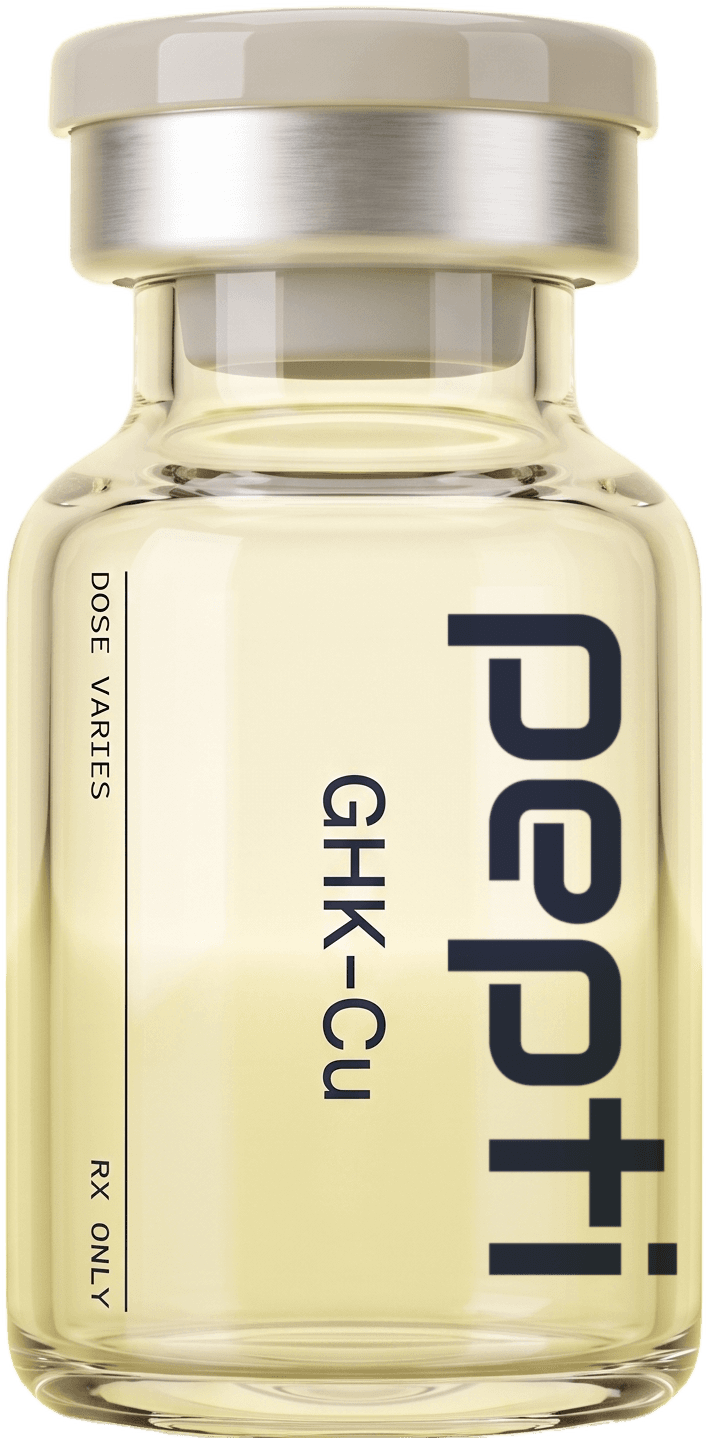
Copper peptide with the most-documented effects on skin, hair, and tissue regeneration. Modulates over 4,000 genes back toward a younger expression profile in Pickart's gene array studies.
Best forSee the full GHK-Cu (Injectable) protocolSkin and hair quality, wound healing, and systemic anti-aging support.
- 3

Tetrapeptide that activates telomerase. Khavinson's 25+ years of Russian research showed life-extension effects in animals and improvements in mortality in older adults.
Best forSee the full Epithalon (Injectable) protocolFoundational longevity cycles (10-20 days, repeated 2-3x yearly).
- 4

Mitochondrially-encoded peptide that regulates metabolic homeostasis and acts as an exercise mimetic. Reverses insulin resistance and improves metabolic flexibility.
Best forSee the full MOTS-c (Injectable) protocolPatients with insulin resistance, metabolic syndrome, or sedentary lifestyle.
- 5
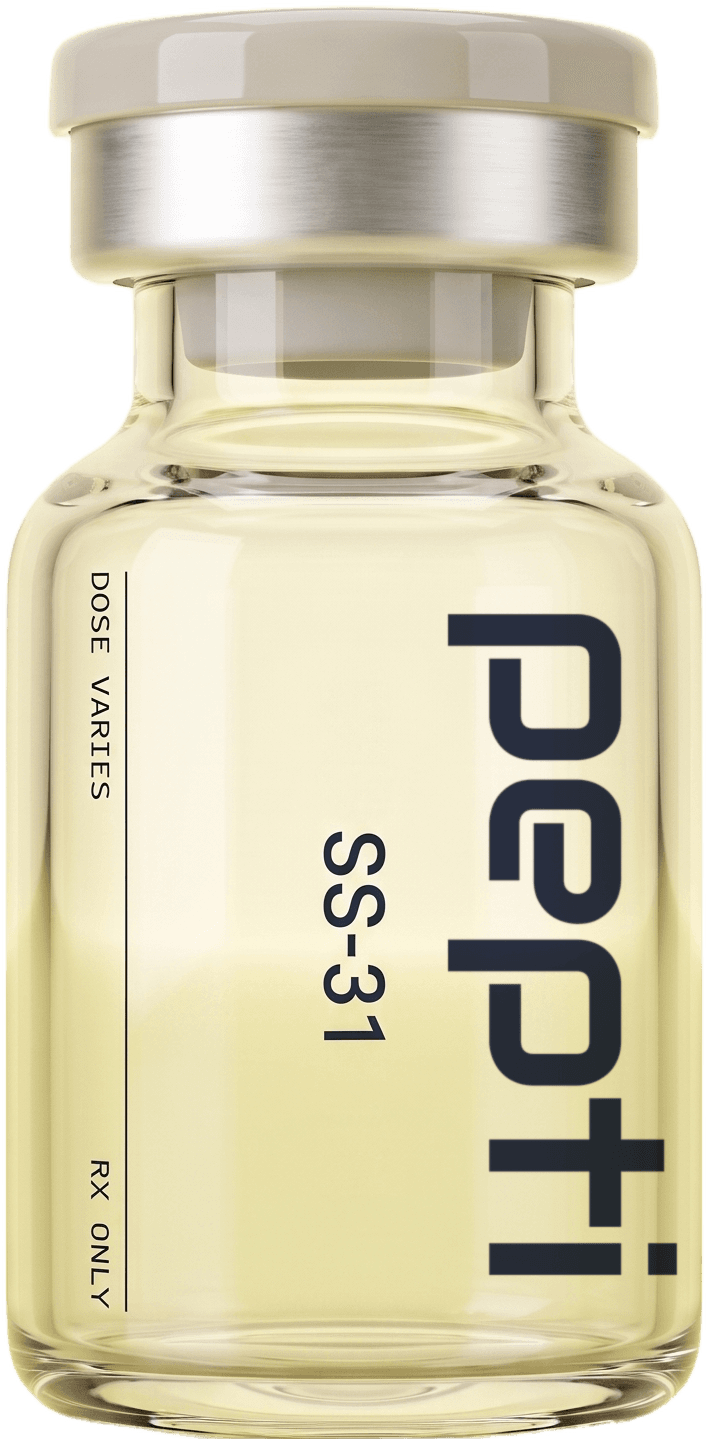
Targets cardiolipin in the inner mitochondrial membrane, restoring electron-transport-chain efficiency. Most-promising mitochondrial-membrane therapy in clinical development.
Best forSee the full SS-31 (Elamipretide) (Injectable) protocolPatients with fatigue, cardiovascular concerns, or known mitochondrial dysfunction.
Not sure where to start
A physician picks. Not a quiz.
Take the free 60-second assessment and a licensed physician reviews your history, then recommends the protocol that fits your goals — or tells you none of them do.
Start free assessment— Common questions
When should I start longevity peptides?
Most longevity physicians recommend starting in the late 30s to early 40s, when measurable biomarker decline begins. Earlier intervention prevents accumulation rather than reversing it.
Can I stack longevity peptides?
Yes, and stacking is the norm. NAD+ + GHK-Cu is the most common combination. Add Epitalon as a cycled intervention 2-3 times yearly. MOTS-c and SS-31 are added based on labs and goals.
Do longevity peptides actually extend lifespan?
Lifespan extension in humans is by definition decades to test. Current evidence is strongest for surrogate markers: NAD+ restoration, telomere maintenance, mitochondrial function, and inflammatory markers. Treat longevity therapy as healthspan optimization, not guaranteed lifespan extension.
Important legal & safety information
The assessment process available on the Pepti website asks a series of medical questions, and the answers provided are reviewed by an independent licensed physician affiliated with our partner physician network. The licensed providers have established exclusionary criteria, and the answers provided determine if the individual is screened out of eligibility for treatment. The licensed clinicians retain the sole decision to prescribe peptide therapy and other compounded medications to patients. Treatment may be denied at the physician's sole discretion. If a prescription is not approved, you will not be charged for the medication.
Pharmacy Providers. Pepti is a technology platform and is not a healthcare provider, pharmacy, or prescriber. All medications offered through the platform are compounded by independent FDA-registered 503A or 503B compounding pharmacies based on a valid prescription written by a licensed physician for an individual patient. Compounded medications are not FDA-approved as products. The active pharmaceutical ingredients used by our partner pharmacies are sourced from FDA-registered facilities. Compounded medications may not undergo the same testing or quality control as commercially manufactured FDA-approved drugs.
Results vary. Results from peptide therapy and other compounded treatments vary based on individual factors, including age, weight, medical history, adherence to the prescribed protocol, lifestyle factors, and physiological response. Pepti makes no guarantee of any specific outcome. Statements about peptide therapy and compounded medications offered through the platform have not been evaluated by the Food and Drug Administration. These products are not intended to diagnose, treat, cure, or prevent any disease.
Product images. Product photographs and renderings shown on this website are for illustrative purposes only. The appearance of vials, packaging, labeling, and other materials you receive may vary and is determined by the dispensing compounding pharmacy.
Off-label use.Many peptides offered through the platform are prescribed for off-label use. “Off-label” means the medication is being prescribed for a use, dose, or patient population that is not specifically approved by the FDA. Off-label prescribing is legal and common in U.S. medical practice when supported by clinical experience and judgment.
Mailing & shipping. Pepti currently dispenses prescription medication to patients in all 50 states and Washington, D.C.. All orders ship in unbranded, tamper-evident packaging via expedited delivery from our partner compounding pharmacies. Temperature-sensitive medications ship with insulated packaging and ice packs. Shipping is included at no additional cost. We do not currently ship medication outside all 50 states and Washington, D.C., internationally, or to APO/FPO addresses.
Not for emergencies. Pepti is not designed for medical emergencies. If you are experiencing a medical emergency, call 911 or go to your nearest emergency room immediately. For urgent but non-emergency medical questions, contact your primary care provider or use an urgent care service.
No doctor-patient relationship with Pepti. Your use of the platform does not create a doctor-patient relationship between you and pepti LLC. A doctor-patient relationship is established only between you and the independent licensed physician who reviews your intake and prescribes your treatment. The physicians who use the platform are independent contractors and are solely responsible for the medical care they provide.
Prescription medications. All prescription products require a valid prescription from a licensed healthcare provider. By using the platform, you acknowledge that you are at least 18 years old and that the information you provide is true, accurate, current, and complete. Providing false information may result in inappropriate treatment recommendations or denial of service.
Cosmetic & wellness products.Certain products offered through Pepti — including skincare, hair care, body care, supplements, men's grooming, sports recovery, and sexual wellness products — are cosmetic or dietary supplement products, not prescription medications. These products do not require a prescription and are not reviewed or prescribed by a physician. Statements regarding dietary supplements have not been evaluated by the Food and Drug Administration. These products are not intended to diagnose, treat, cure, or prevent any disease. Results vary by individual. Consult your healthcare provider before starting any new supplement or topical product, especially if you are pregnant, nursing, or taking other medications.
pepti LLC · Delaware Limited Liability Company · 131 Continental Dr, Suite 305, Newark, DE 19713 · For media or partnership inquiries, email hello@hellopepti.com. For patient support, email support@hellopepti.com. For privacy and HIPAA inquiries, email privacy@hellopepti.com.